 English
 Français
 عربى
عربى Home / Products
Wholesale Fashion Clothing Fabric

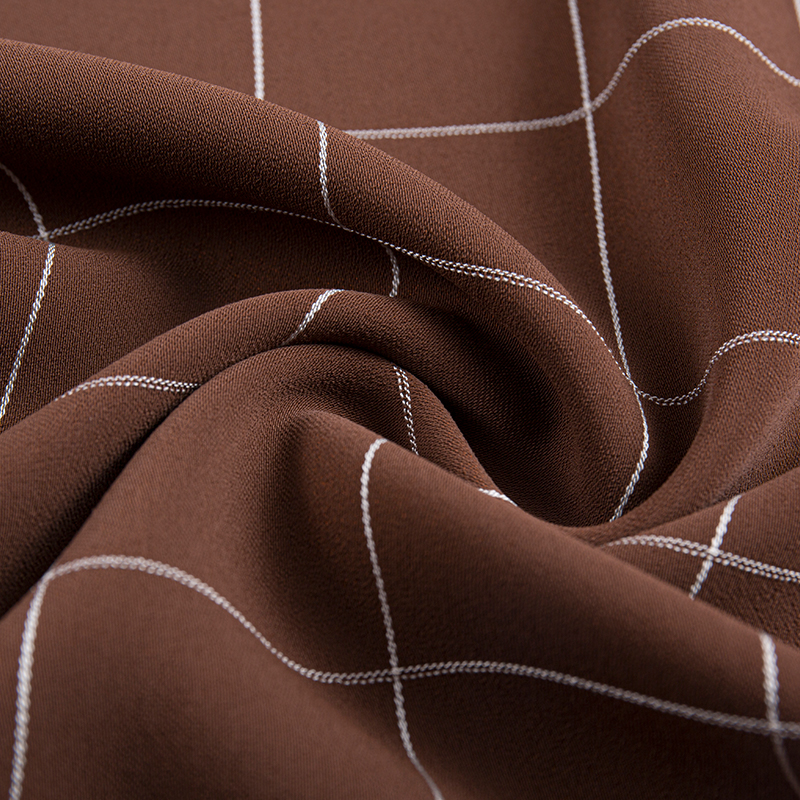
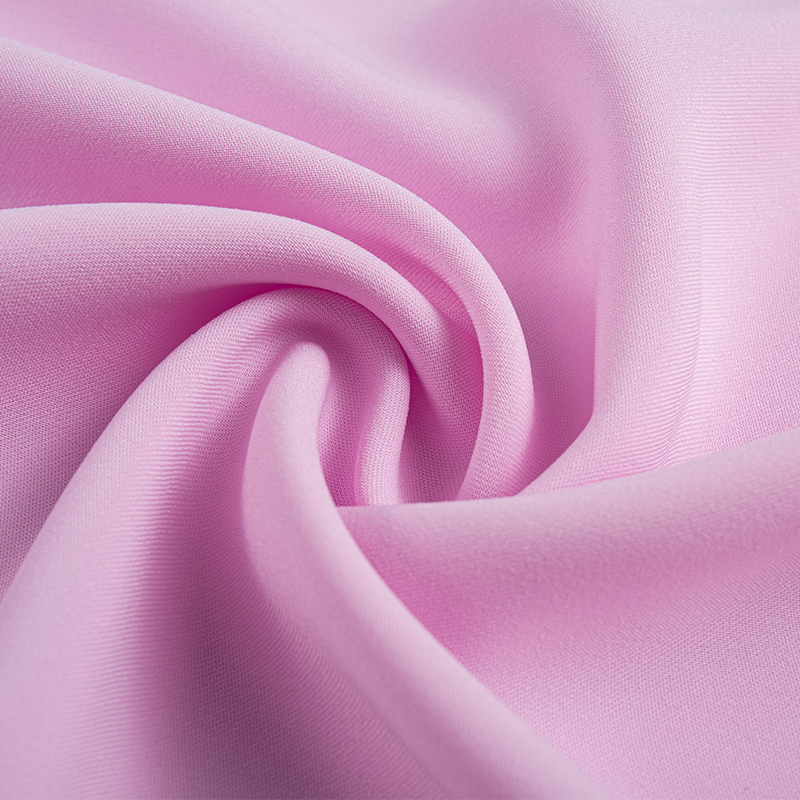
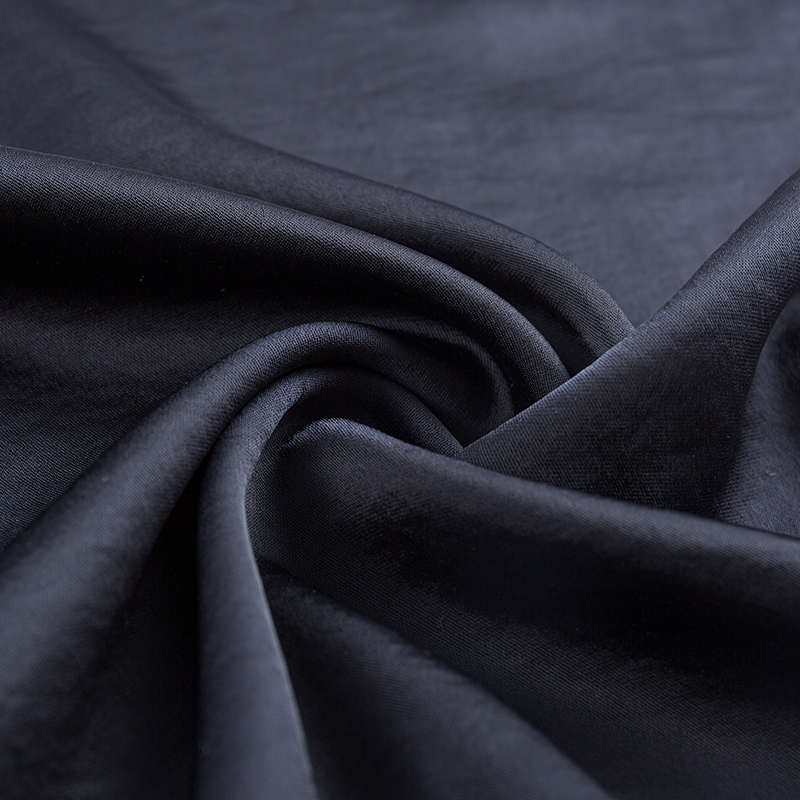
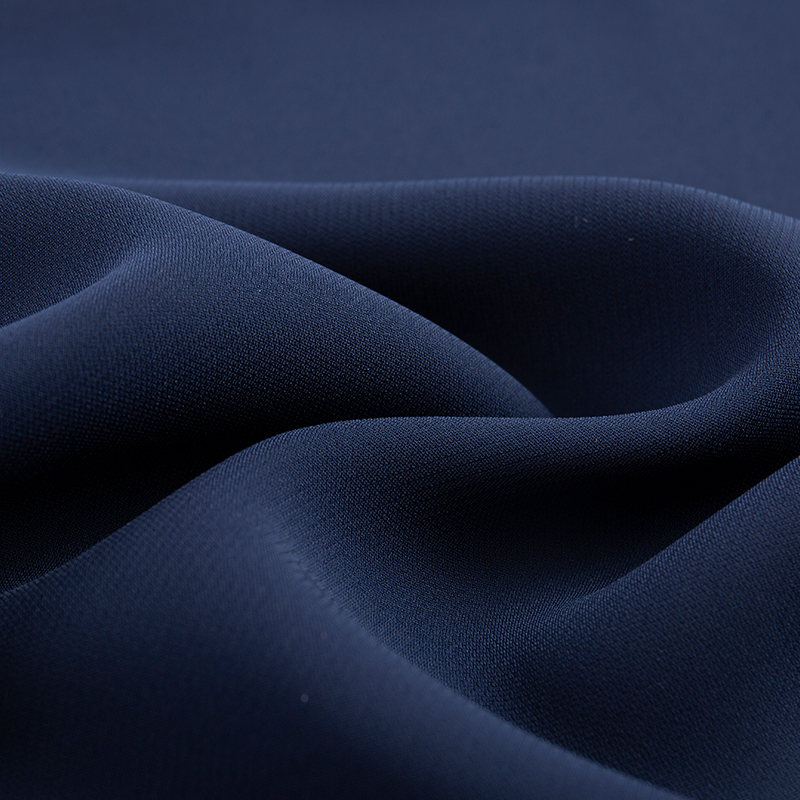
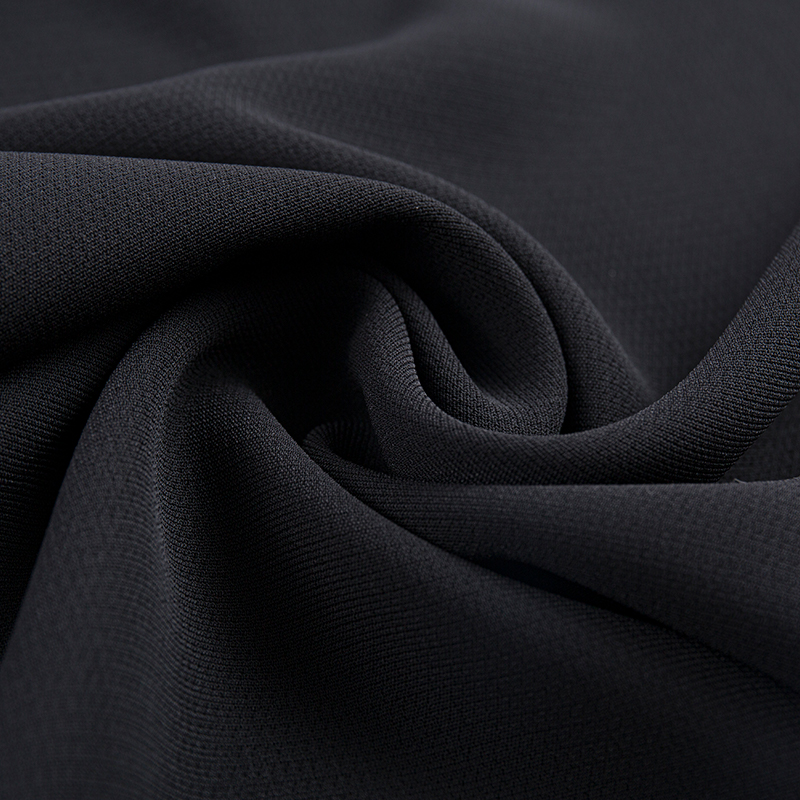
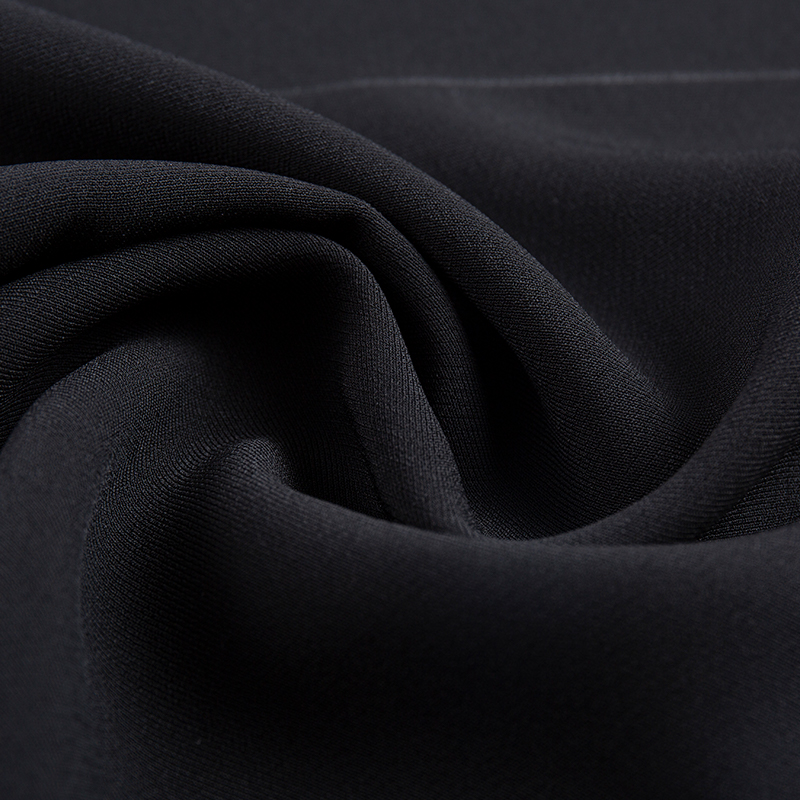
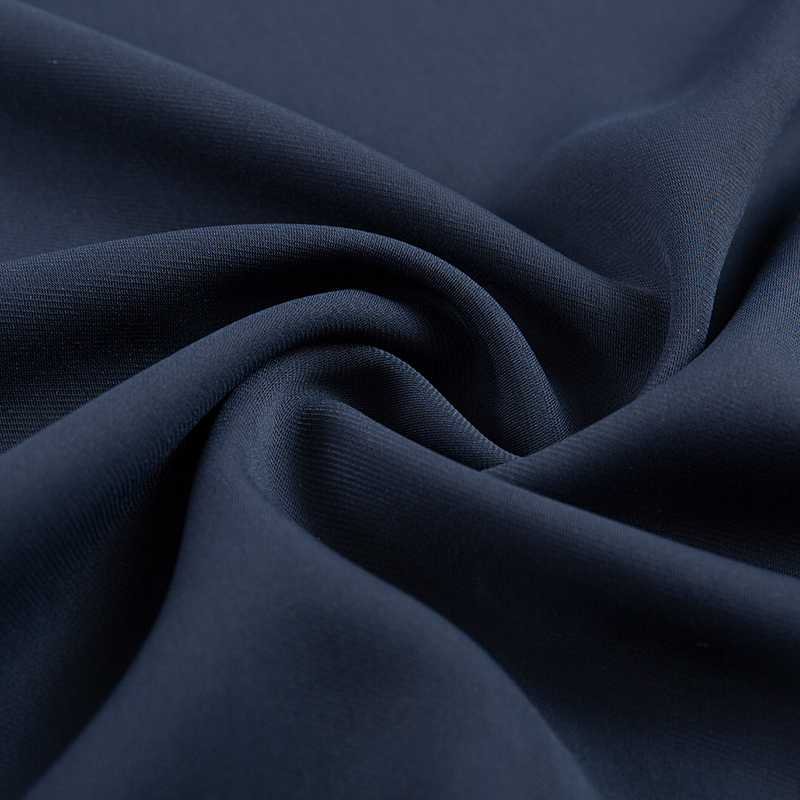

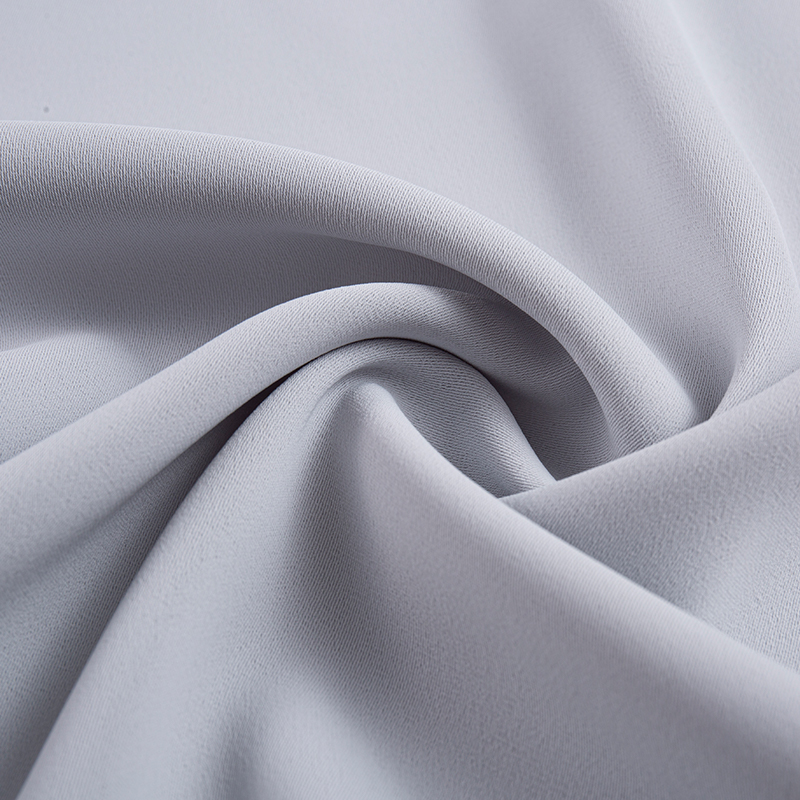
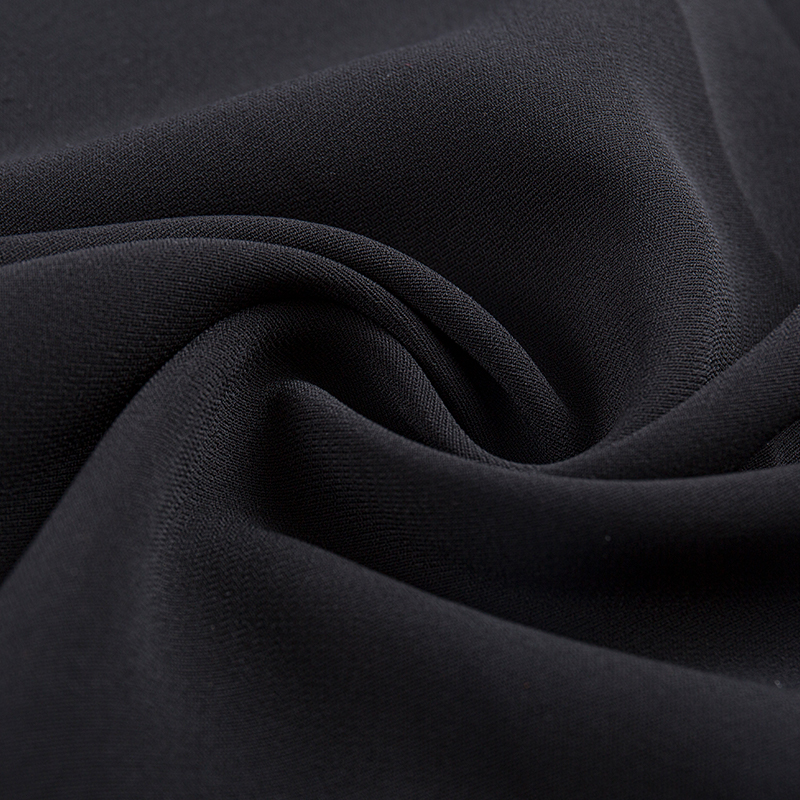
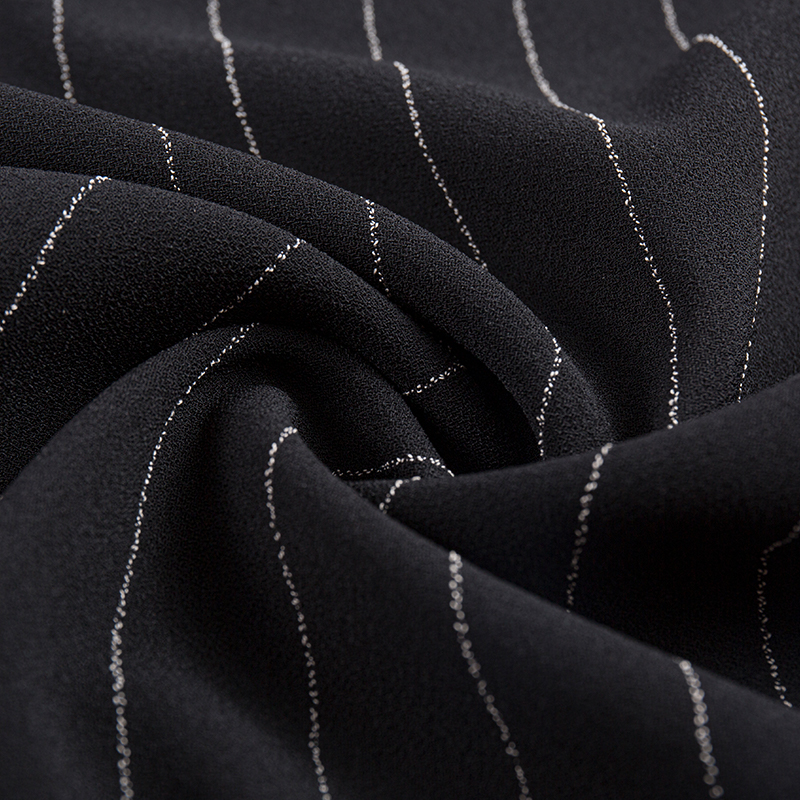
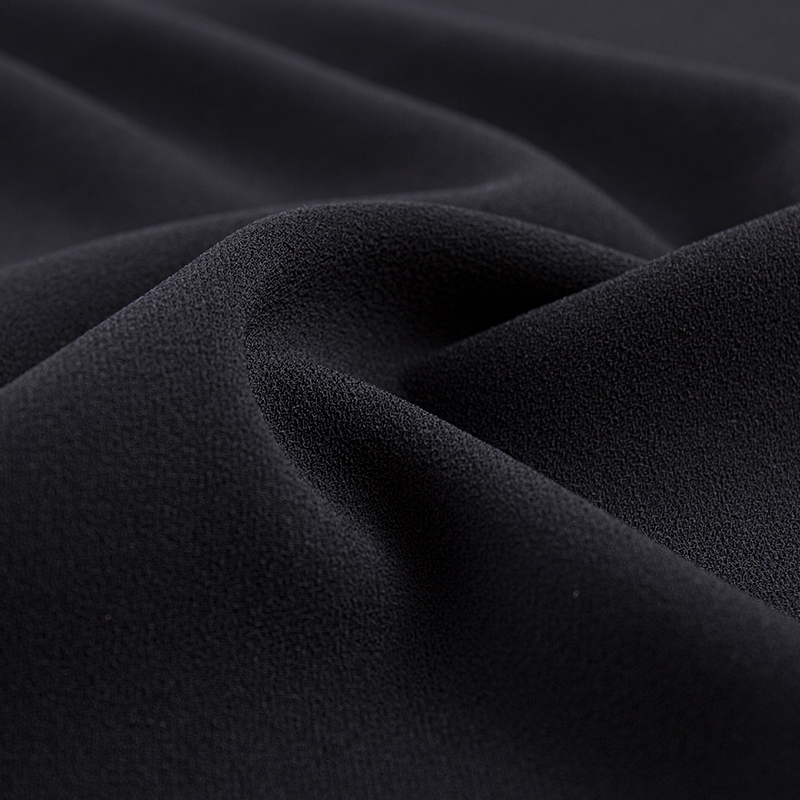
TR suiting fabric is a polyester and rayon blend engineered to reconcile two properties that rarely coexist in formal t...
READ MOREQuick takeaway: a well-specified blend gives formal garments a tailored appearance, practical care and a cost structur...
READ MOREAcetate has been part of fashion for more than a century, and it still holds a distinct position in the fabric market. ...
READ MOREEvening wear is unforgiving territory for a fabric. Garments are photographed under harsh light, worn for hours at a st...
READ MOREAsk five suppliers what acetate fabric costs and you will probably hear five different numbers, because acetate is not ...
READ MOREWhat Makes This Blend a Commercial Favorite If you are building a collection that depends on fluid movement, soft luste...
READ MOREIn the fast-evolving fashion industry, the choice of fashion clothing fabric plays a crucial role in determining the quality, feel, and durability of garments. Selecting the right material is essential for designers, manufacturers, and retailers who aim to meet consumer demands for comfort, style, and sustainability.
Synthetic fabrics are engineered for specific performance properties. They are commonly used in modern fashion due to their durability, elasticity, and ease of care.
Natural fabrics offer comfort and breathability, making them ideal for everyday wear. They are often preferred for sustainable fashion lines.
Specialty fabrics bring unique textures, elasticity, and functional properties to high-fashion and technical clothing.
Understanding the differences between fabrics helps designers select the right material for specific clothing applications.
| Fabric Type | Characteristics | Best Uses |
| Polyester | Durable, wrinkle-resistant, quick-drying | Casual wear, outerwear |
| Cotton | Soft, breathable, hypoallergenic | T-shirts, casual dresses |
| Lyocell | Eco-friendly, smooth, moisture-absorbent | Blouses, sustainable fashion lines |
| Crepe | Textured, lightweight, elegant drape | Evening gowns, formal wear |
Choosing the right fabric requires balancing aesthetics, performance, and sustainability. Consider the following:
Current trends focus on sustainability, comfort, and multifunctional fabrics. Eco-friendly materials like organic cotton, lyocell, and recycled polyester are gaining popularity. Stretchable fabrics with moisture-wicking properties are preferred for activewear, while textured fabrics like crepe and jacquard are trending in high-end fashion.
High-quality fabrics demonstrate uniform texture, consistent color, and resilience to wear. Key indicators include:
Sustainable fashion prioritizes materials with minimal environmental impact. Leading options include:
Yes, the choice of fabric significantly impacts garment lifespan. Durable materials such as high-quality polyester blends and tightly woven cotton resist wear and maintain appearance longer, while delicate fabrics like silk require careful handling. Proper fabric selection ensures garments retain shape, color, and texture over time.




