 English
 Français
 عربى
عربىTR suiting fabric is a polyester and rayon blend engineered to reconcile two properties that rarely coexist in formal textiles: dimensional resilience and fluid movement. Pure polyester resists creasing but can feel rig...
READ MORE
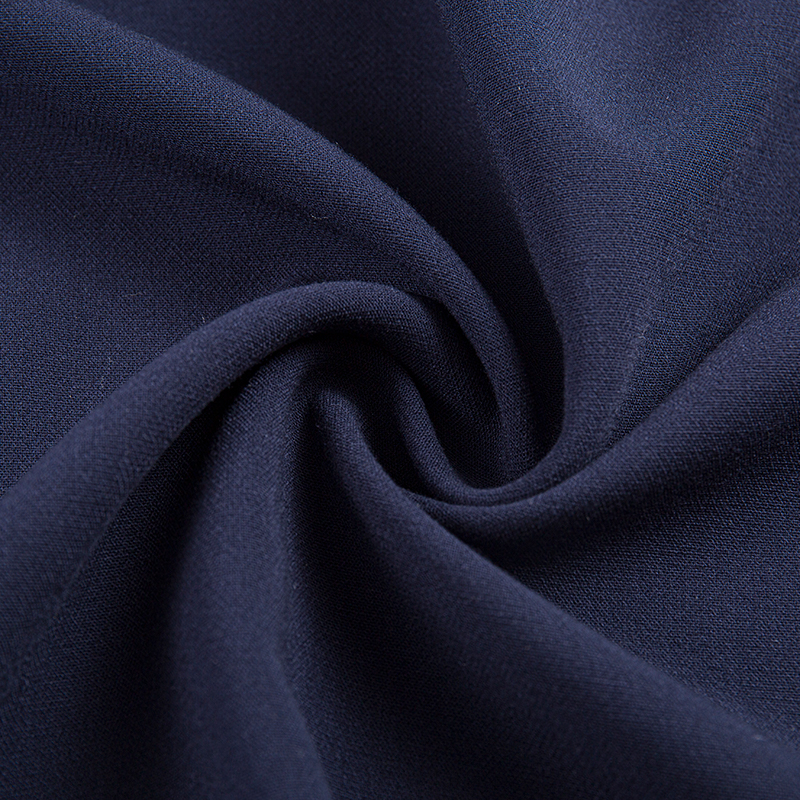
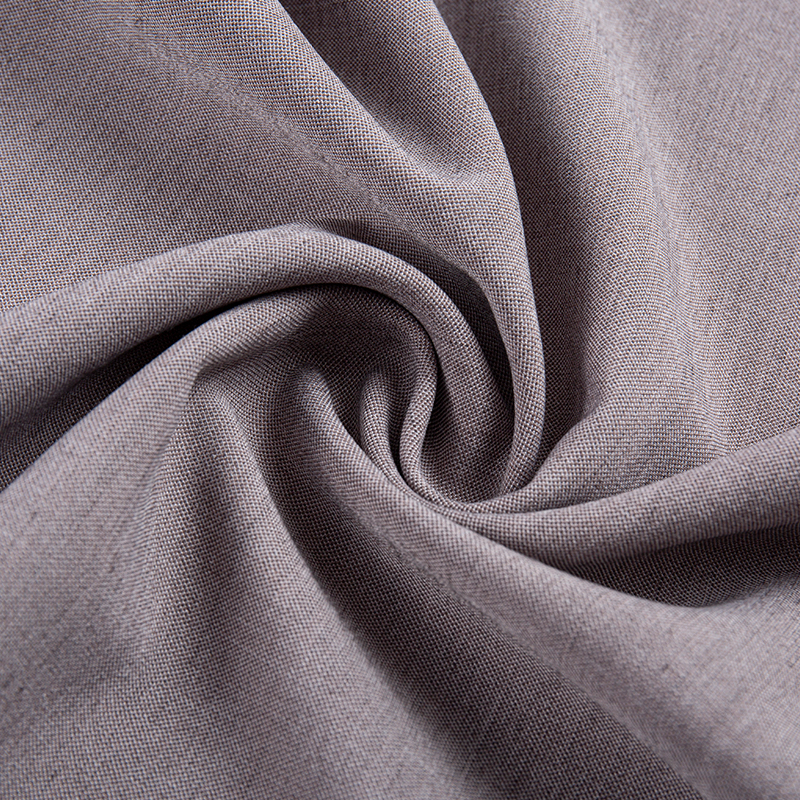
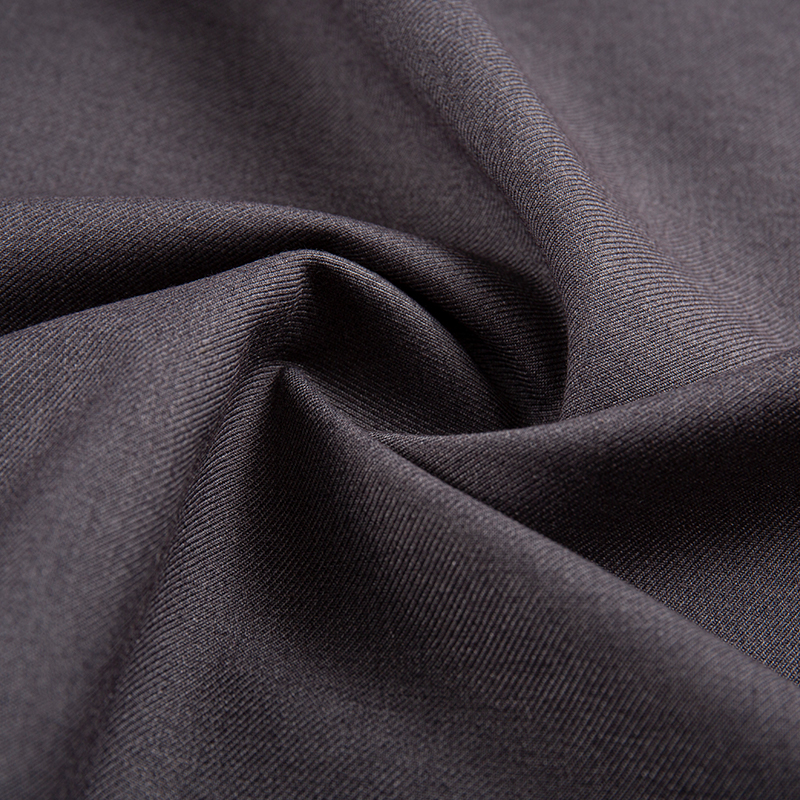
Men's fabrics focus on offering high-quality materials for men's formal wear, including polyester-rayon blend (TR), polyester-cotton blend (TC), and 100% cotton or polyester-cotton blend shirt fabrics. Whether for daily office wear, formal occasions, or business meetings, our fabrics provide a premium, comfortable wearing experience. With a variety of fabric options, we ensure that every man finds the perfect material suited to his needs. All products are made from high-quality fibers, emphasizing breathability, comfort, and durability, offering an ideal choice that balances both aesthetics and practicality.
TR suiting fabric is a polyester and rayon blend engineered to reconcile two properties that rarely coexist in formal textiles: dimensional resilience and fluid movement. Pure polyester resists creasing but can feel rig...
READ MOREQuick takeaway: a well-specified blend gives formal garments a tailored appearance, practical care and a cost structure that scales well for volume programs. Buyers who source tailored jackets, trousers, skirts or sta...
READ MOREAcetate has been part of fashion for more than a century, and it still holds a distinct position in the fabric market. Produced from purified plant cellulose, this semi-synthetic filament delivers the luster and fluid d...
READ MOREEvening wear is unforgiving territory for a fabric. Garments are photographed under harsh light, worn for hours at a stretch, and judged as much on how they move as on how they fit. Acetate has held a place in formal fa...
READ MOREIn the competitive landscape of garment manufacturing, the foundation of any successful collection lies in the selection of raw materials. For brands aiming to capture the modern male demographic, understanding the nuances of Men's Clothing Fabric is not just a purchasing requirement but a strategic imperative. The right fabric dictates not only the aesthetic appeal of the final product but also its durability, comfort, and market positioning. As textile technology advances, the options available to designers have expanded from traditional natural fibers to innovative synthetic blends that offer superior performance.
Historically, menswear was dominated by heavy wools and rigid cottons. Today, the industry demands materials that offer stretch, breathability, and structural integrity simultaneously. A premier Men's Clothing Fabric must balance tactile comfort with functional resilience. This evolution is driven by the modern consumer's lifestyle, which requires garments that transition seamlessly from the office to casual settings. Consequently, textile engineers are focusing on hybrid structures that combine the hand-feel of natural fibers with the technical benefits of synthetics.
While cotton remains a staple for casual wear, the rise of eco-conscious manufacturing has propelled fibers like Lyocell and Modal into the spotlight. These materials, derived from renewable wood sources, offer exceptional softness and moisture management, making them ideal for high-end Men's Clothing Fabric. They provide a luxurious drape that is increasingly sought after in premium shirts and loungewear. Furthermore, their biodegradability aligns with the global push towards sustainable fashion, adding significant value to brand storytelling.
Synthetic fibers, particularly those engineered to mimic the properties of silk or provide specific texture, have revolutionized the market. Synthesis silk and acetate imitation fabrics offer the luster of luxury materials with the durability and cost-effectiveness of synthetics. These fabrics are essential for creating Men's Clothing Fabric that stands up to frequent wear while maintaining a refined appearance. Additionally, special black differentiated elastic fabrics have become a niche requirement for premium denim and casual trouser markets, offering deep, lasting color and recovery.
Choosing the appropriate fabric involves weighing the benefits of different weaves and fiber compositions. The decision impacts the garment's weight, texture, and end-use suitability. Below is a detailed comparison of popular constructions currently dominating the Men's Clothing Fabric market to assist buyers in making informed decisions.
| Fabric Type | Key Characteristics | Best Application |
| Lyocell/Modal Blends | Soft hand-feel, high moisture absorption, eco-friendly, excellent drape. | Premium casual shirts, loungewear, and underwear. |
| Synthetic Silk/Acetate Imitation | Silky luster, strong abrasion resistance, dimensionally stable. | Lining, evening wear, and lightweight summer suits. |
| Special Black Elastic | High stretch and recovery, deep black colorfastness, structured fit. | Premium denim, chinos, and fitted trousers. |
| Traditional Cotton | Breathable, durable, easy to dye, versatile texture. | Classic shirts, t-shirts, and workwear. |
For B2B buyers, consistency in quality is non-negotiable. A reliable Men's Clothing Fabric supplier must demonstrate robust Research and Development (R&D) capabilities to adapt to shifting trends while maintaining product stability. Factors such as color fastness, shrinkage rates, and tensile strength must be rigorously tested. Collaborating with manufacturers who integrate design and production ensures that the fabric development aligns perfectly with the garment designer's vision, reducing lead times and minimizing communication errors.
Durability in Men's Clothing Fabric is often determined by the fiber content and weave tightness. Blends that include high-tenacity synthetic fibers, such as polyester or nylon, often outperform pure natural fibers in abrasion resistance. However, tightly woven cotton canvas and high-quality wool blends also offer exceptional longevity. For everyday wear, look for fabrics with a higher thread count and reinforced weaves that resist pilling and tearing.
While cotton is the traditional choice, Lyocell is rapidly gaining popularity as a superior Men's Clothing Fabric for shirts. Lyocell is produced through an eco-friendly closed-loop process and offers a softer, silkier texture than most cottons. It is also more breathable and better at moisture-wicking, making it ideal for warm climates. Unlike standard cotton, Lyocell resists wrinkling naturally, offering a polished look with less maintenance.
The "hand-feel" refers to the tactile sensation experienced when touching the fabric. In menswear, this is a critical indicator of perceived quality and luxury. A superior Men's Clothing Fabric should feel comfortable against the skin, encouraging the consumer to wear the garment repeatedly. Finishes such as brushing, mercerization, or enzyme washing are often applied to enhance the hand-feel, making the fabric more attractive to discerning buyers.
Yes, modern textile engineering has created synthetic Men's Clothing Fabric options that are highly breathable. Advanced weaving techniques and micro-fiber technologies allow synthetic blends to mimic the porous structure of natural fibers. Fabrics like synthetic silk and specialized crepe can facilitate airflow and moisture evaporation, often providing better cooling properties than heavy, natural fabrics. The key is to select lighter weights and constructions specifically designed for breathability.




