English
 Français
 عربى
Industry News
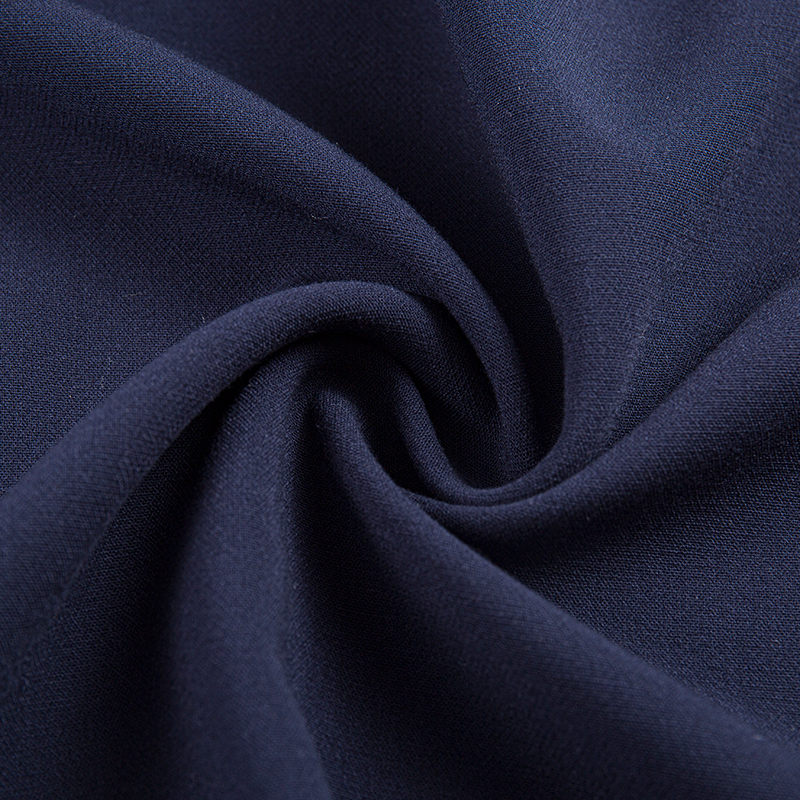
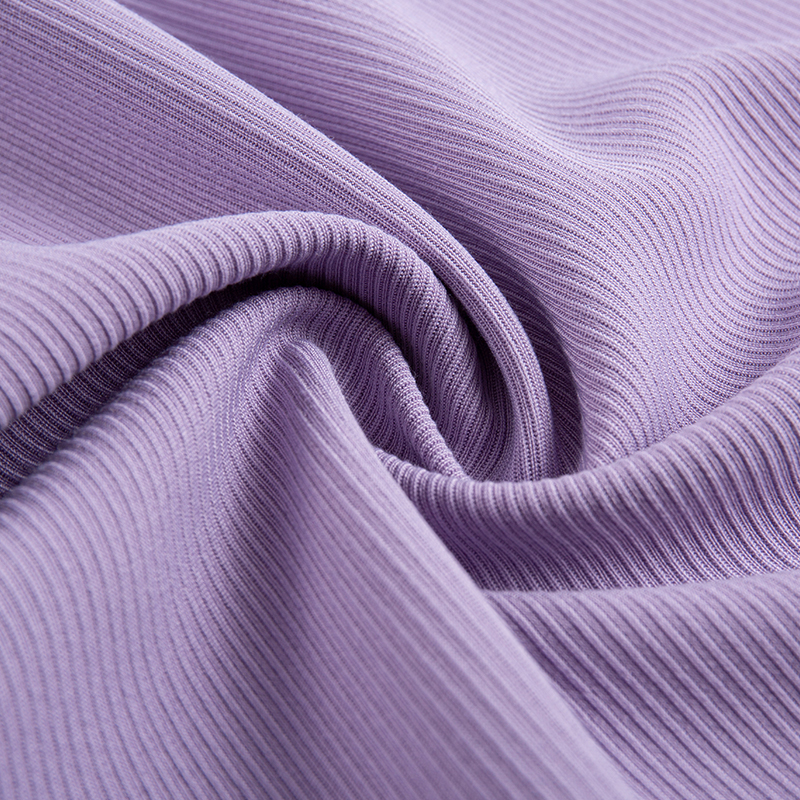
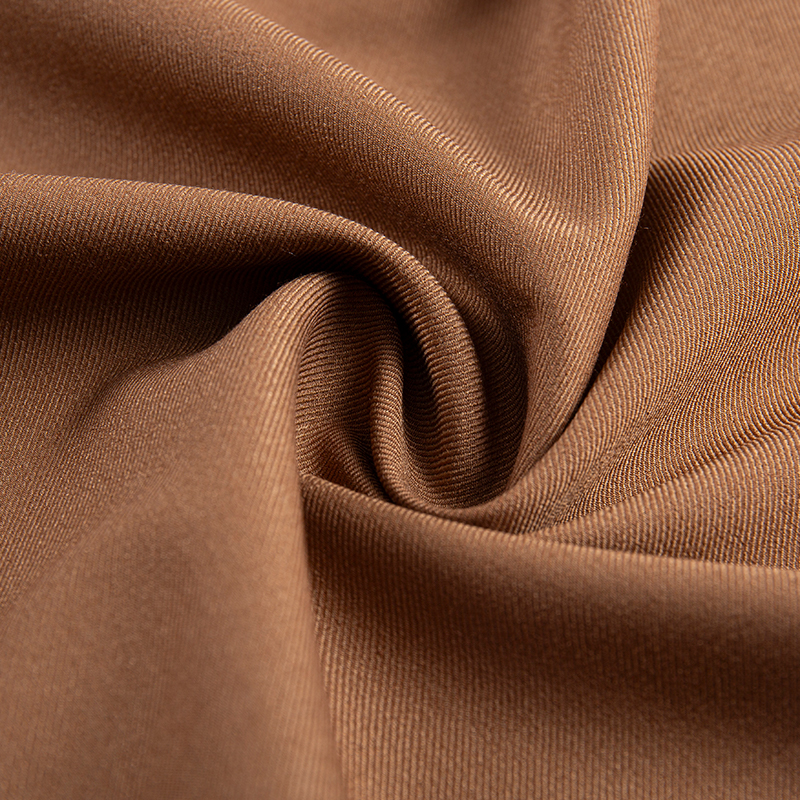
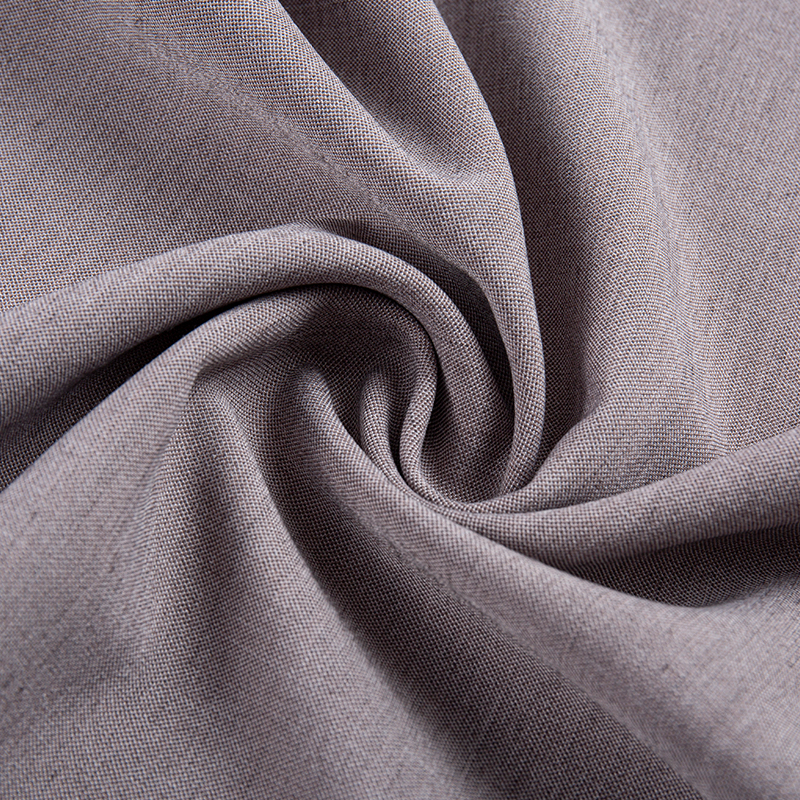
TR suiting fabric is a polyester and rayon blend engineered to reconcile two properties that rarely coexist in formal textiles: dimensional resilience and fluid movement. Pure polyester resists creasing but can feel rigid and warm; rayon drapes beautifully but collapses under pressure. Blending the two produces a cloth that holds a tailored line through a long working day while still moving with the body. The performance outcome depends heavily on blend ratio, fiber morphology, yarn structure, and finishing. This guide walks through composition, wrinkle recovery mechanics, drape measurement, the trade-off between the two properties, care protocols, and sourcing criteria, with numeric benchmarks at each stage so buyers can evaluate swatches against measurable expectations rather than hand-feel alone.
What Is TR Suiting Fabric Made Of?
TR stands for terylene-rayon, the older trade name for polyester paired with regenerated cellulose fiber. The construction is a intimate blend rather than a coated or laminated system, so both fiber types contribute to every yard of cloth. Understanding each component explains why the blend behaves differently from either pure fiber.
Polyester-Rayon Blend: The Core Components
Polyester (terylene) supplies the structural memory: it resists plastic deformation, holds a pressed crease, and dries quickly. Rayon supplies moisture uptake, softness, and the ability to flow over the body rather than stand away from it. The division of labor is straightforward: polyester carries the shape, rayon carries the comfort and drape. Neither fiber alone delivers a balanced formal cloth, which is why the blend persists across price tiers.
Why the 65/35 Ratio Matters
Most mills converge on roughly 65 percent polyester and 35 percent rayon because that ratio clears the minimum wrinkle performance threshold while preserving enough rayon for acceptable hand and movement. Ratio shifts produce predictable trade-offs:
- 70/30 or higher polyester: stronger crease recovery and shape retention, but a drier hand and reduced drape fluidity.
- 50 percent rayon or more: noticeably softer drape and better moisture handling, but wrinkle recovery drops and pressing demands rise.
- 60/40: a practical middle ground for suits that see heavy weekly wear and repeated cleaning.
Buyers specifying for humid markets or long wear cycles should confirm the exact ratio on the mill spec sheet rather than assume a generic TR standard.
Blend Ratio Quick Reference
| Ratio (Poly/Rayon) | Wrinkle Recovery | Drape Fluidity | Typical Use |
|---|---|---|---|
| 70/30 | High | Moderate | Uniforms, frequent travel |
| 65/35 | High | Good | Business suits, year-round |
| 60/40 | Moderate-High | Good | Summer suits, soft tailoring |
| 55/45 | Moderate | Very good | Dress trousers, unstructured jackets |
How Does TR Suiting Fabric Resist Wrinkles?
Wrinkle resistance in TR cloth is a function of fiber elasticity, blend ratio, and finishing. The polyester component dominates recovery behavior, while the rayon component moderates stiffness. The result is a cloth that recovers from compression faster than wool and far faster than pure rayon.
The Science Behind Wrinkle Recovery
Polyester molecules are oriented along the fiber axis during drawing, giving the fiber high elastic recovery. Industry testing indicates polyester rebounds to roughly 92 to 96 percent of its original shape after compression. In a blend, that memory is distributed through the yarn structure, so the fabric as a whole returns toward its flat state after sitting, folding, or being compressed in transit. Rayon contributes little to recovery but improves moisture transport, which reduces the humidity-driven creasing that affects cellulose fibers in warm conditions.
TR vs. Wool vs. Pure Polyester: A Performance Comparison
The comparison below reflects common industry test ranges for suiting-weight fabrics. Values are indicative and vary with finishing and weight.
| Property | TR Blend (65/35) | Wool Blend | Pure Polyester |
|---|---|---|---|
| Wrinkle recovery rate | High (about 78% after 18 hours) | Moderate (about 53% after 18 hours) | Very high |
| Recovery time | Fast | Slow | Very fast |
| Moisture tolerance | Good | Moderate | Low |
| Breathability | Moderate to good | Good | Low to moderate |
| Hand and drape | Balanced | Soft, structured | Dry, stiff |
Field data supports the laboratory picture: TR suits retain around 78 percent of their wrinkle resistance after 18 hours of continuous wear, against roughly 53 percent for traditional wool blends. That gap matters most in extended-use scenarios where pressing is not available.
Real-World Benefits for Formal Wear
After about eight hours of wear, TR fabrics show roughly 70 percent fewer wrinkles than traditional wool options. For the wearer this translates into concrete advantages: a suit that looks presentable at the end of a travel day, a jacket that survives a full conference schedule without a steamer, and trousers that recover their line after a commute. The benefit compounds over a work week, when repeated wear and storage in a bag would visibly degrade a less resilient cloth.
Drape Quality: How TR Fabric Achieves Elegant Movement
Drape describes how a fabric hangs under its own weight: the way a jacket front falls, how trouser legs swing, and whether a lapel rolls cleanly. It is the property most often sacrificed when buyers chase wrinkle performance, and it is where the rayon component earns its place.
How Fiber Blend Influences Drape and Softness
A 65/35 blend typically achieves the best balance, supporting structured tailoring without sacrificing graceful movement. Raising rayon content to the 40 to 45 percent range enhances drape fluidity by roughly 18 to 22 percent, which suits unstructured jackets, wide-leg trousers, and softer silhouettes. The mechanism is straightforward: rayon fibers are finer and more pliable, and they absorb moisture, which lowers bending stiffness in the yarn. The trade-off is a measurable drop in crease recovery, so the ratio should follow the garment type rather than a single house standard.
Measuring Drape Performance
Drape is quantified through three common metrics: drape coefficient (lower means more fluid), shadow value (the depth and softness of folds under light), and recovery angle (how quickly a bent specimen returns). The table below summarizes typical ranges for TR against wool.
| Metric | TR Blend | Wool | Interpretation |
|---|---|---|---|
| Drape coefficient | Moderate | Moderate to high | TR folds cleanly with less bulk |
| Shadow value | Comparable to wool | Comparable | Similar visual depth of folds |
| Recovery angle | About 15% higher | Baseline | Faster return to shape |
TR fabrics exceed wool in recovery angle by roughly 15 percent while matching its shadow values, which means the cloth hangs with comparable visual depth but springs back faster after deformation. In practice, a TR jacket keeps its front edge crisp while the hem still moves naturally.
Tailoring Applications for Formal Silhouettes
Weight selection drives the silhouette. In the 240 to 280 GSM range, TR cloth covers most formal applications: 240 to 250 GSM for summer suits and travel jackets, 260 to 270 GSM for year-round business suits, and 275 to 280 GSM for structured trousers and uniforms. Industry surveys indicate that 73 percent of menswear specialists prefer TR blends over pure synthetics for summer suits, citing the combination of crease performance and breathable drape. The practical rule is to match weight to climate and wear duration, then confirm drape with a hang test on a sample length.
Balancing Wrinkle Resistance and Drape in TR Fabric Design
Resilience and softness pull in opposite directions. Designers manage the tension through blend ratio, fiber cross-section, yarn twist, and weave density. Understanding the levers makes it possible to specify a cloth that meets both requirements at the level the end use demands.
The Trade-Off Between Resilience and Softness
At around 65 percent polyester and 35 percent rayon, most fabrics recover about 85 percent of their shape after stretching while retaining a fluid hand. Pushing polyester above 70 percent raises recovery further but stiffens the cloth and reduces the visual depth of folds. Pushing rayon above 40 percent improves flow but lowers wrinkle recovery and increases the need for pressing after cleaning. The design target is not maximum performance on either axis but a predictable midpoint that matches the garment's wear pattern.
Structural Factors That Optimize Both Properties
Fiber and yarn geometry do as much work as the blend ratio:
- Fiber cross-section: modified sections increase bending flexibility and improve moisture transport without reducing recovery.
- Yarn twist: 700 to 900 twists per meter balances cohesion with flexibility; higher twist stiffens, lower twist softens but risks pilling.
- Weave density: 120 to 140 threads per inch gives a closed, clean surface that supports tailoring while leaving enough space for movement.
- Finishing: controlled heat setting stabilizes the polyester memory and prevents the rayon from over-relaxing during pressing.
These parameters should be recorded on the technical specification alongside the blend ratio, because two cloths with identical fiber content can behave very differently if twist and density diverge.
Caring for TR Formal Wear Fabric to Maintain Performance
TR cloth is durable but not indestructible. Care protocol determines how much of the initial wrinkle recovery and drape survives the first two years of use. The rules below reflect common industry recommendations for polyester-rayon suiting.
Washing and Ironing Best Practices
Wash TR suits in cold water below 30 degrees Celsius on the gentlest machine setting with a mild detergent. Hot water accelerates polyester relaxation and rayon degradation, and aggressive agitation abrades the fiber surface. For ironing, set the iron to medium heat between 150 and 160 degrees Celsius and use steam; dry heat alone can glaze the polyester surface and flatten the rayon component. Press on the reverse side where possible, and hang the garment on a broad-shouldered hanger while still slightly warm so the drape sets correctly.
Long-Term Performance Retention
Temperature discipline matters more than most buyers expect. Washing polyester fabrics above 40 degrees Celsius speeds up fiber breakdown; after about 50 washes, wrinkle recovery rates can drop by nearly 18 percent. By contrast, proper care keeps around 9 out of 10 textiles looking good for three years of regular weekly use. A simple protocol delivers that outcome: cold wash, mild detergent, medium steam ironing, air drying away from direct sun, and rotation between at least two suits to allow recovery between wears.
Why Choose Polyester-Rayon TR Fabric for Formal Wear?
TR cloth occupies a practical middle ground between luxury wool and low-cost synthetics. It delivers about 90 percent of the visual quality of wool at roughly 60 percent lower production cost, with better wrinkle retention over a long wear cycle. That combination explains its steady share in business suiting, uniforms, and travel collections.
Cost and Application Fit
The economic case is straightforward: TR suits look almost as good as wool, around 90 percent by common industry assessment, but cost roughly 60 percent less to produce. The performance case is equally clear in specific applications: business suits for daily commuting, uniforms that face repeated industrial cleaning, travel suits that spend hours folded in luggage, and summer suits for humid climates where wool feels heavy and creases under moisture. In each case, the blend's recovery and moisture tolerance outperform the alternatives at the same price point.
How to Specify the Right Ratio for Your Market
- Humid climates: favor 60/40 to 65/35 for moisture handling and drape.
- Long wear duration: favor 65/35 to 70/30 for shape retention through a 12-hour day.
- Limited care infrastructure: favor higher polyester content for wash-and-wear resilience.
- Premium soft tailoring: favor 55/45 to 60/40 with modified fiber cross-sections to recover drape lost to rayon.
For buyers who want to evaluate the full range, the polyester-rayon blend TR formal wear fabric collection lists available ratios, weights, and finishing options against these application profiles.
FAQ
Q1: What is TR suiting fabric made of?
TR suiting fabric is a blend of polyester and rayon fibers. Polyester provides durability, wrinkle resistance, and shape retention, while rayon offers breathability and a soft drape. The most common ratio is around 65 percent polyester to 35 percent rayon.
Q2: Why is TR fabric popular for formal wear?
TR fabric provides the appearance of high-end wool at a reduced production cost and shows fewer wrinkles over time, making it suitable for daily wear and extended use. It also handles humidity better than wool and recovers its shape faster after compression.
Q3: How does TR fabric compare to wool in wrinkle resistance?
TR fabric has a higher wrinkle recovery rate than wool and retains this quality even after extended wear. Industry data indicates TR suits keep around 78 percent of their wrinkle resistance after 18 hours of wear, compared with roughly 53 percent for traditional wool blends.
Q4: How should TR formal wear fabric be cared for?
Wash in cold water below 30 degrees Celsius on a gentle cycle with mild detergent. Iron at medium heat between 150 and 160 degrees Celsius with steam. Air dry away from direct sunlight and hang on a broad-shouldered hanger. Avoid washing above 40 degrees Celsius, which accelerates fiber breakdown and reduces wrinkle recovery over time.
Practical Next Steps for Buyers
TR suiting fabric earns its place in formal wear by balancing two properties that pure fibers cannot combine: the wrinkle recovery and shape retention of polyester with the breathable drape of rayon. The 65/35 ratio remains the reliable default, while 60/40 and 55/45 open softer silhouettes and warmer markets. Weight, twist, and weave density should be specified alongside the ratio so the delivered cloth matches the sample. For buyers building a formal wear range, the TR formal wear fabric collection provides ratio, weight, and finishing options with sample requests available for physical evaluation.