English
 Français
 عربى
عربىIndustry News
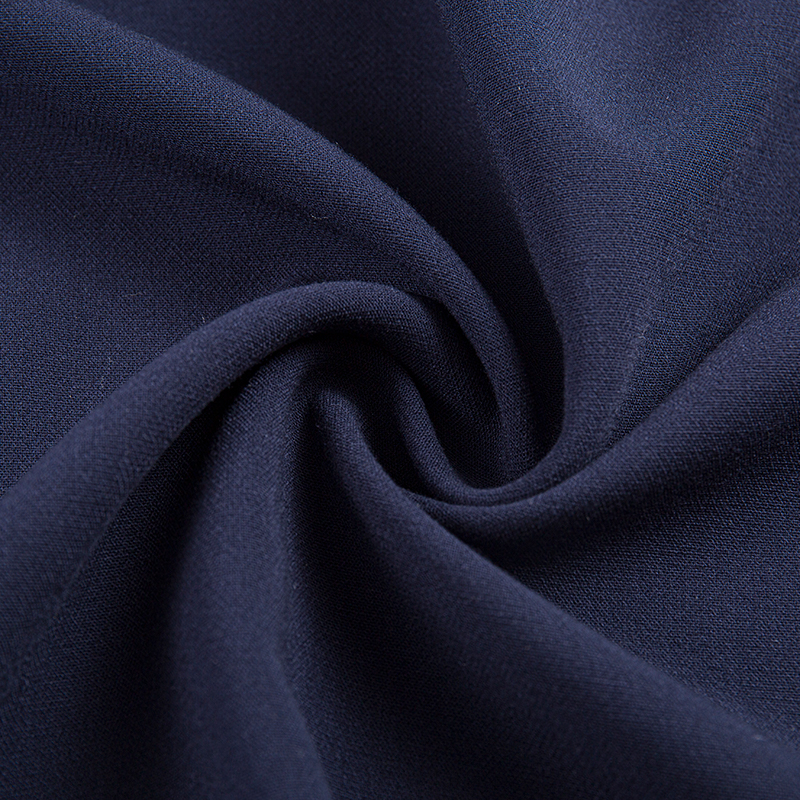
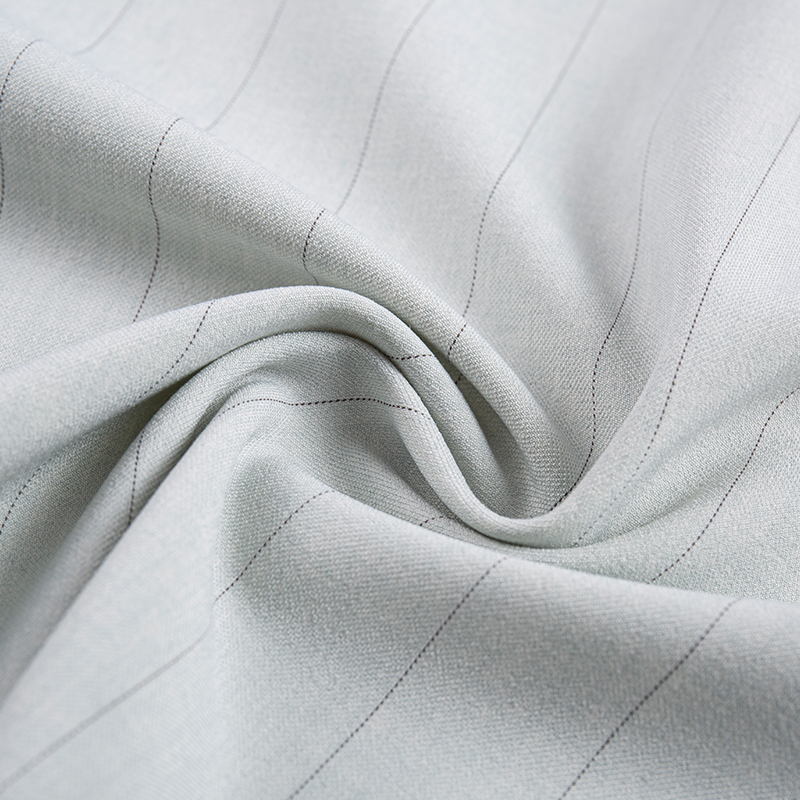
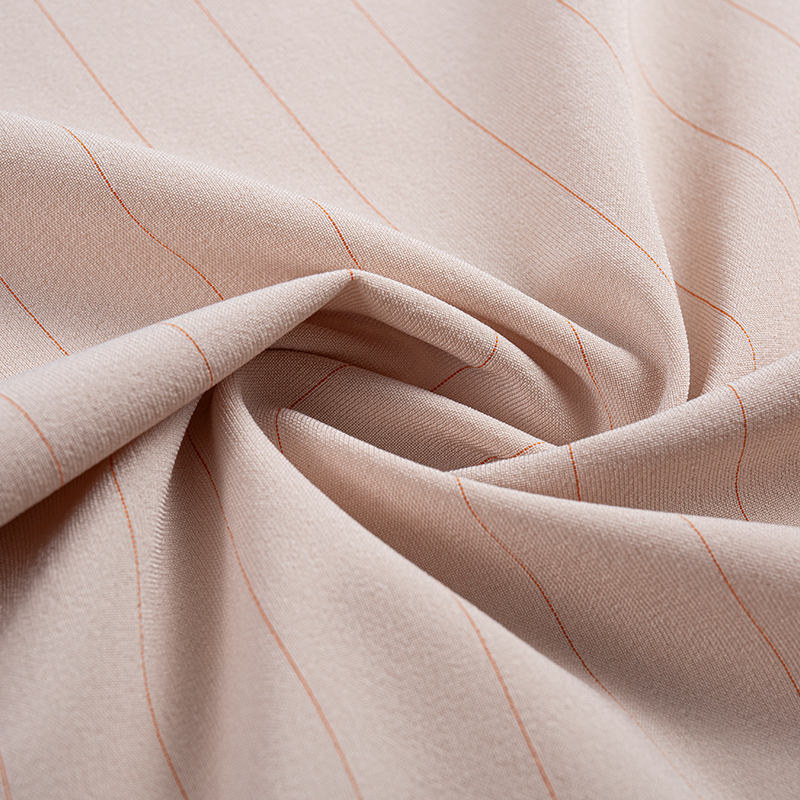
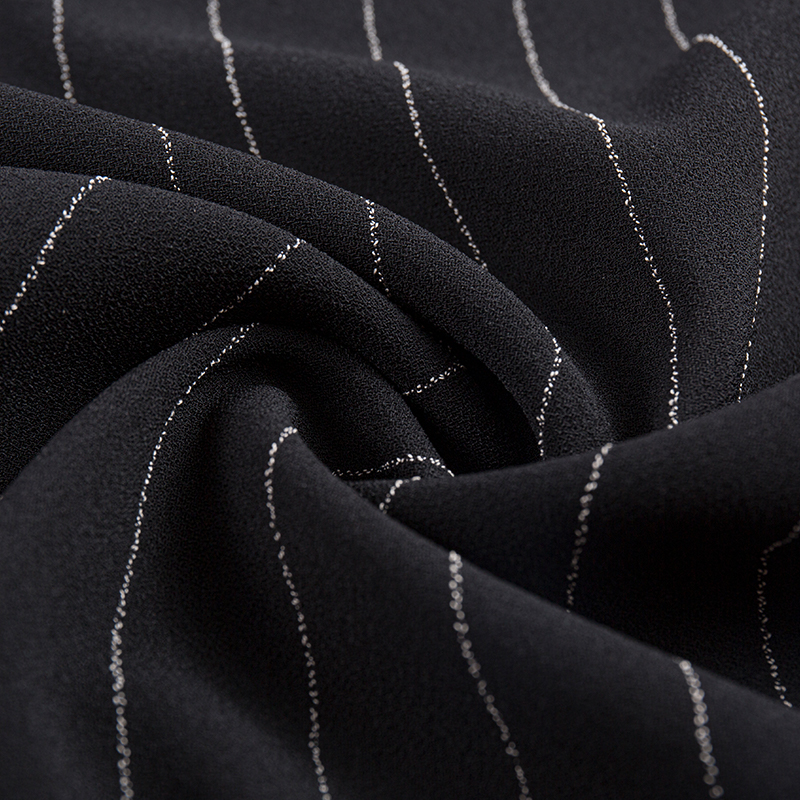
A TR fabric suit gets its name directly from its two fibers: Tetoron, a polyester type, and Rayon. That pairing is what lets a business suit hold its shape through a full workday while still feeling soft enough to wear for hours without irritation.
T
Tetoron (Polyester)
Delivers strength, shape retention, and wrinkle recovery so the suit keeps its structure through daily wear.
R
Rayon
Adds softness, breathability, and a natural drape that pure polyester suiting can't achieve alone.
What Makes TR Suit Fabric Work for Business Wear
Shape retention keeps tailored lines crisp through a full day of movement and sitting.
1Wrinkle resistance means less ironing and a neat look even after travel.
2Softer hand feel than pure polyester keeps long wear comfortable against skin.
3Lower cost than wool suiting without giving up a professional appearance.
4TR Fabric Suit vs Wool Suit
| Feature | TR Fabric Suit | Wool Suit |
| Wrinkle resistance | Excellent | Moderate |
| Maintenance | Easy care, machine washable in many cases | Usually requires professional care |
| Cost | More affordable | Higher price |
| Comfort | Soft and breathable | Excellent natural comfort |
A Practical Alternative to Wool
Uniform programs and corporate buyers turn to TR fabric suits specifically because they hold a professional appearance across repeated wear and washing cycles at a fraction of wool's cost and care burden.
From Fiber to Finished Suit
Polyester and rayon fibers are blended to the target ratio, spun into yarn, and woven into plain, twill, or herringbone structures before dyeing and anti-wrinkle finishing. The finished fabric is then cut, sewn, and pressed into the jackets, trousers, and blazers buyers actually order.
Choosing a TR Fabric Suit Manufacturer
Buyers sourcing TR fabric suit material for uniform or apparel programs should confirm consistent fiber ratio across production batches, documented shrinkage and color fastness testing, and the ability to customize weave, GSM, and finish for a specific garment line.
Frequently Asked Questions
What does TR actually stand for?
TR stands for Tetoron, a polyester fiber type, and Rayon, the two fibers blended together to make the fabric.
Is a higher polyester ratio always better for suits?
Not necessarily; higher polyester improves wrinkle resistance and shape retention, but too little rayon can make the fabric feel stiffer and less comfortable for all-day wear.
Can TR fabric suits be machine washed?
Many TR suit fabrics tolerate machine washing better than wool, though checking the specific fabric's care label is still the safest approach before washing a finished garment.
Why do uniform suppliers prefer TR fabric over wool?
Lower cost, easier maintenance, and better wrinkle resistance make TR fabric more practical for uniform programs that need consistent appearance across many wearers and frequent washing.