English
 Français
 عربى
عربىIndustry News
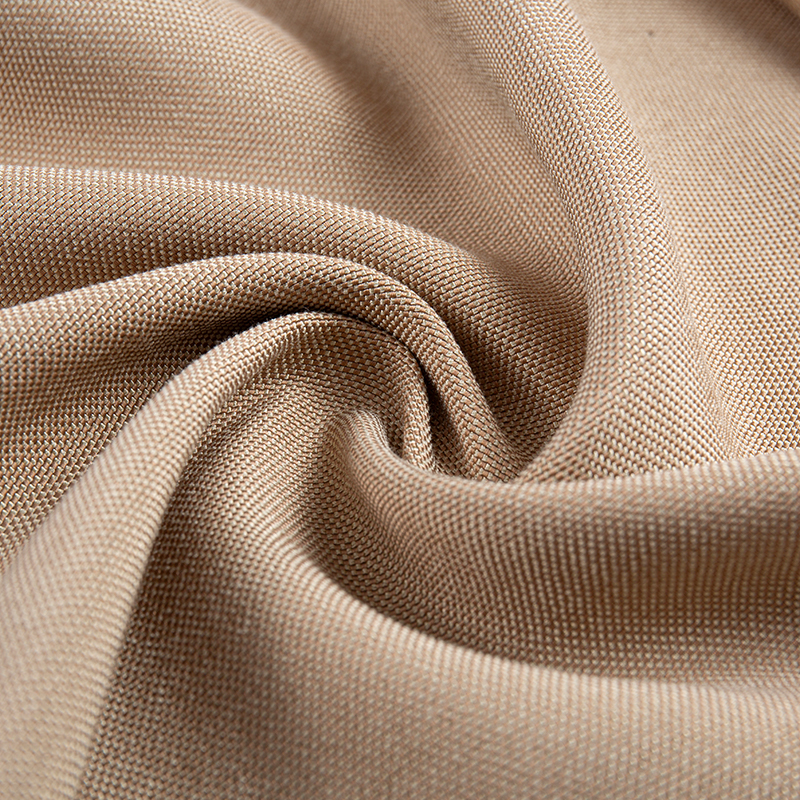
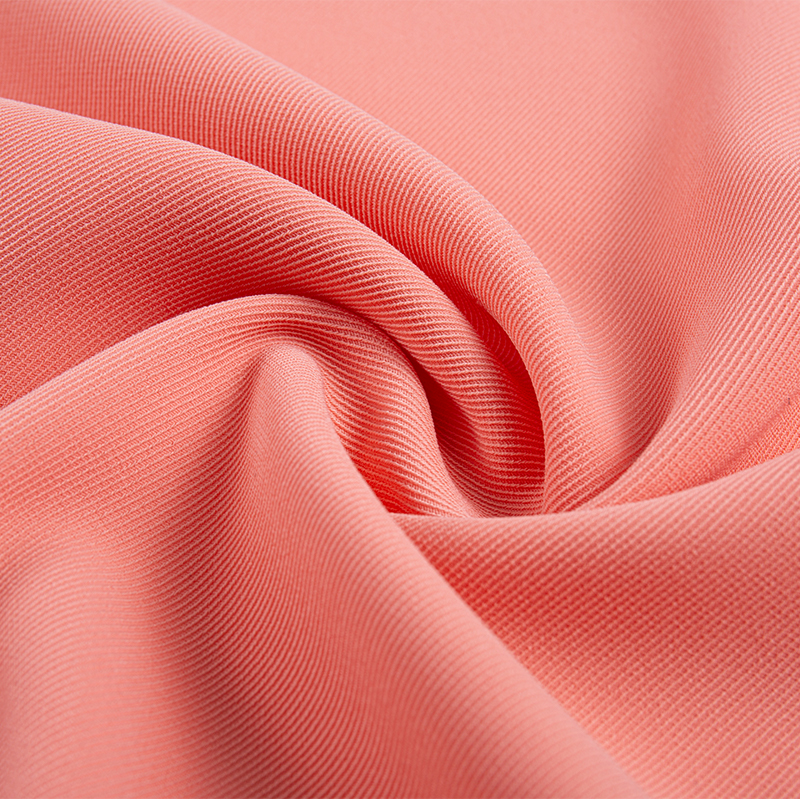
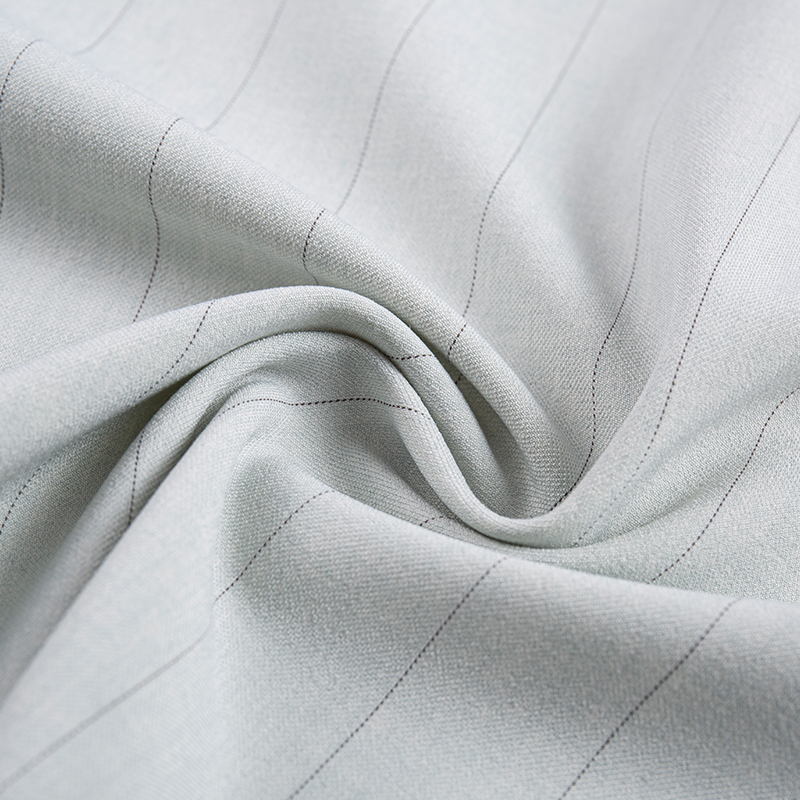
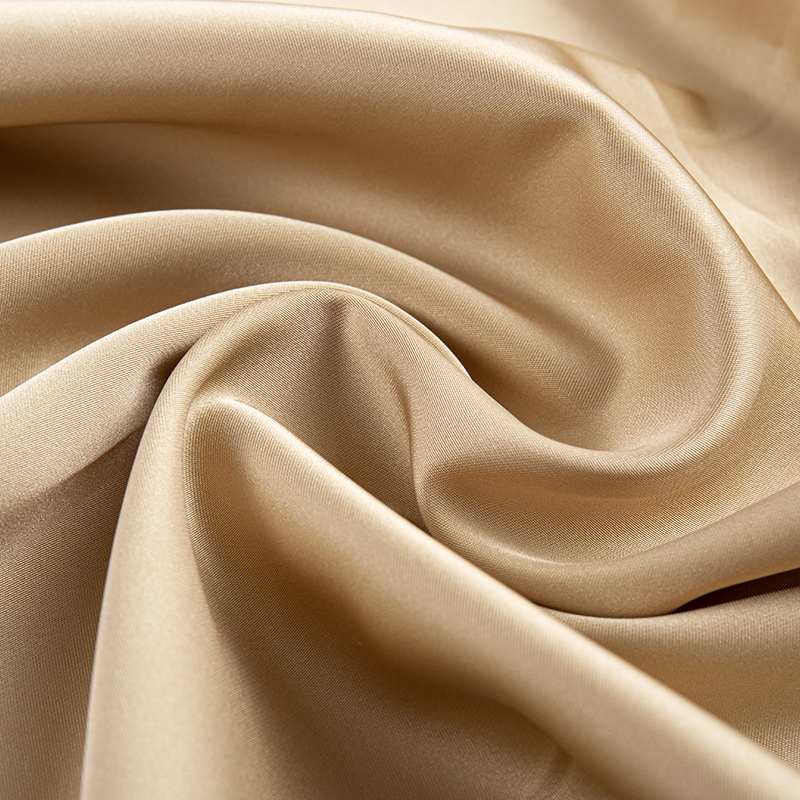
A polyester rayon blend fabric pairs polyester's strength and shape retention with rayon's soft hand feel and breathability, landing on a fiber ratio that decides whether the finished textile leans toward durability or comfort. Formal wear buyers usually start the conversation at the blend ratio before anything else about the fabric.
A common formal wear ratio: enough polyester for shape retention, enough rayon for a soft drape.
DefinitionWhat Each Fiber Contributes to the Blend
Neither fiber alone gives a polyester rayon blend fabric its character. Polyester carries the strength, wrinkle resistance, and shape retention that keep formal garments looking pressed through a long day, while rayon adds the softness, moisture absorption, and natural-looking drape that pure polyester can't match on its own.
Strength and shape
Polyester fiber resists stretching and abrasion, holding tailored lines through repeated wear.
Soft hand feel
Rayon fiber softens the surface texture against skin compared to pure synthetic fabric.
Wrinkle resistance
The polyester component reduces creasing and cuts down on ironing between wears.
Moisture management
Rayon absorbs moisture more readily, improving comfort in warm conditions.
ComparisonBlend Fabric vs 100% Polyester
| Feature | Polyester Rayon Blend | 100% Polyester |
| Comfort | Softer, more breathable | Less soft against skin |
| Wrinkle resistance | Good | Excellent |
| Moisture absorption | Better due to rayon content | Lower |
| Appearance | Natural, fluid drape | More synthetic look |
The blend ratio matters more than either fiber's individual reputation, since a 50/50 fabric drapes and wears differently from a 70/30 fabric even though both are called polyester rayon blend.
SpecificationWhat to Confirm Before Ordering Fabric
- Fiber ratio — the polyester-to-rayon percentage that sets the comfort-durability balance.
- Fabric weight (GSM) — determines drape, opacity, and suitability for the garment type.
- Weave type — plain, twill, or herringbone changes texture, stretch, and appearance.
- Color fastness and shrinkage rate — determine how the fabric performs after repeated washing.
SourcingChoosing a Fabric Manufacturer
Buyers ordering polyester rayon blend fabric for formal wear production should confirm consistent fiber ratio testing across batches, documented shrinkage and color fastness results, and the ability to customize weave, GSM, and finish for a specific garment line.
Frequently Asked Questions
Which blend ratio is best for formal wear?
Ratios weighted toward polyester, such as 65/35 or 70/30, are common for formal wear because they hold shape and resist wrinkling better than fabrics with a higher rayon share.
Does a higher rayon percentage always feel softer?
Generally yes, but weave and finishing treatment also affect hand feel, so two fabrics with the same ratio can still feel different.
How does GSM affect a formal wear fabric?
Higher GSM fabrics tend to drape more heavily and resist see-through issues, while lower GSM fabrics suit lighter, more fluid garment styles.
Can polyester rayon blend fabric shrink after washing?
Some shrinkage is normal for blended fabrics; checking the tested shrinkage rate before cutting patterns avoids sizing problems in finished garments.