English
 Français
 عربى
عربىIndustry News
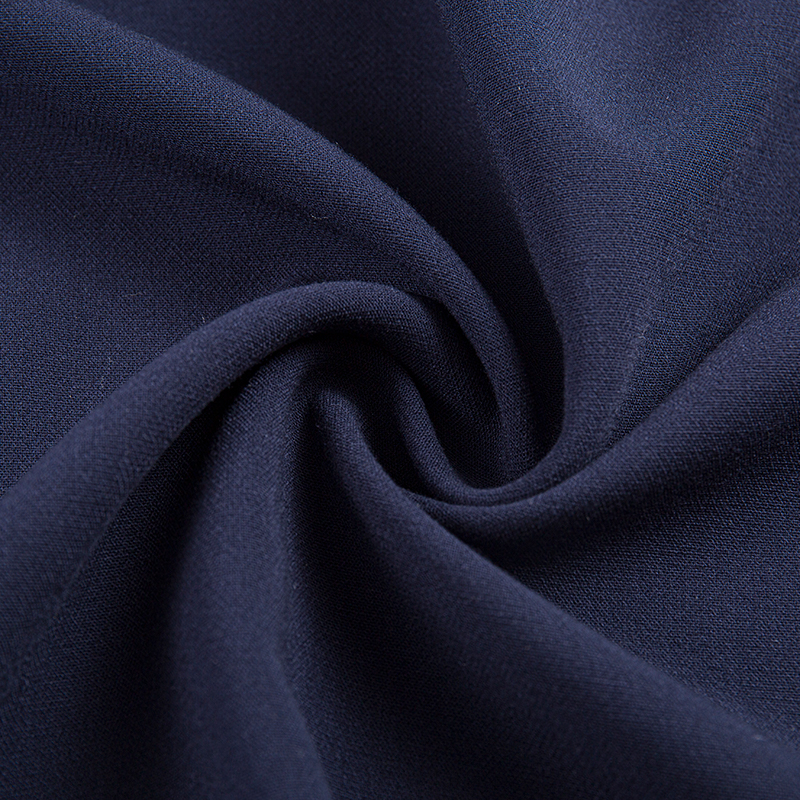
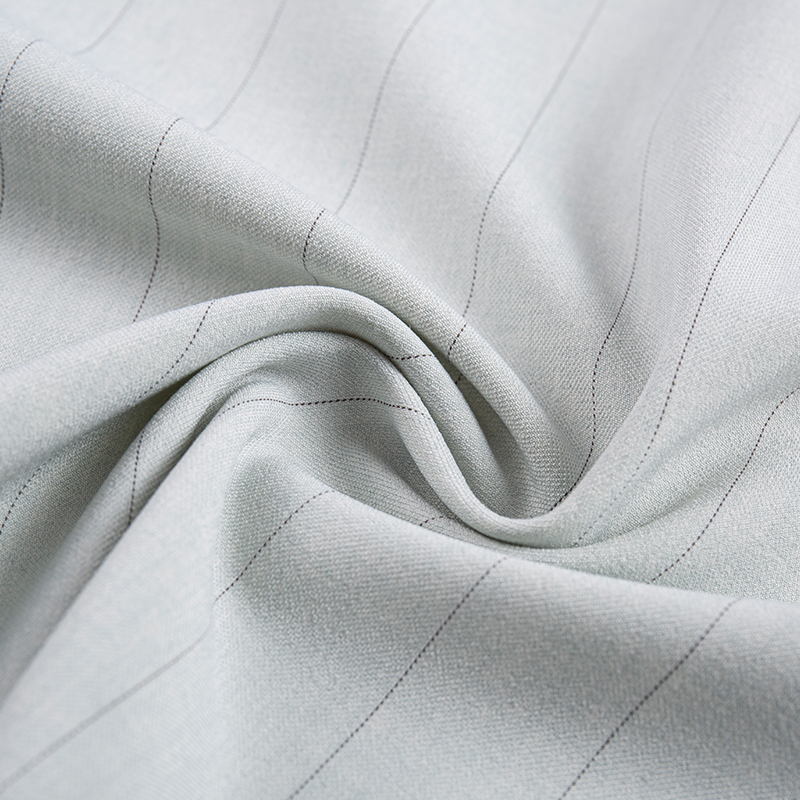
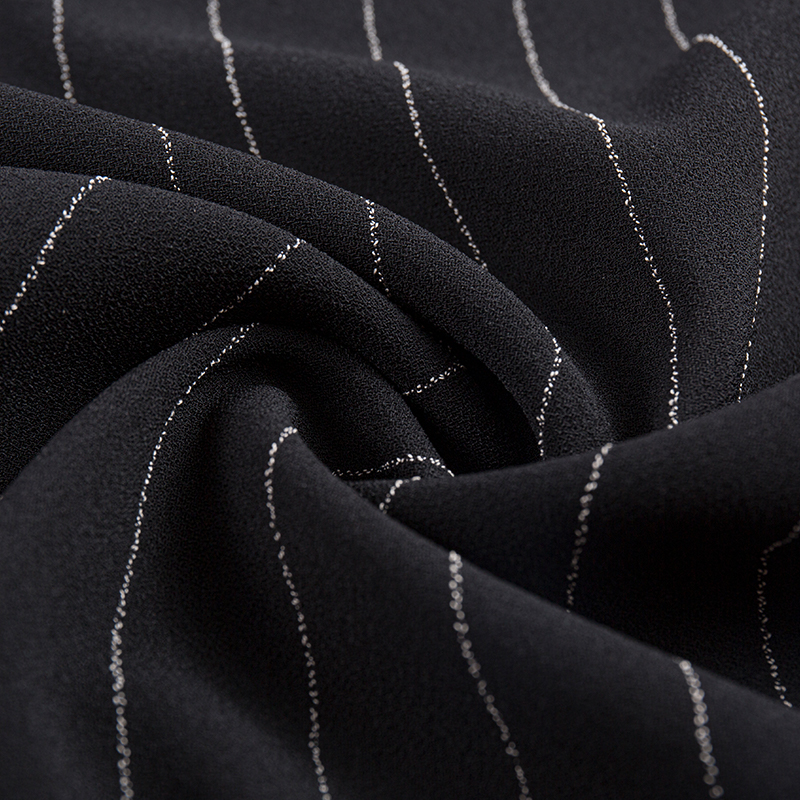
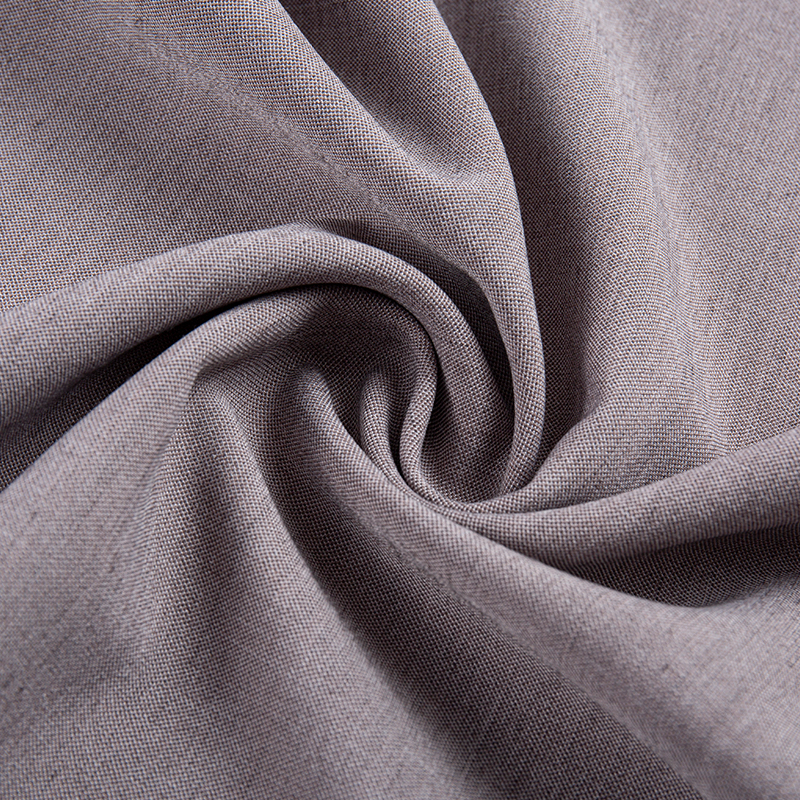
Polyester rayon blend (TR) formal wear fabric combines the durability of polyester with the softness and elegant drape of rayon, creating a versatile textile for business suits, uniforms, and professional apparel. The blend ratio typically ranges from 65% polyester / 35% rayon to 80% polyester / 20% rayon — each offering different performance characteristics. This polyester rayon blend (TR) formal wear fabric delivers wrinkle resistance, shape retention, and a smooth hand feel that makes it a preferred choice for garment manufacturers worldwide.
65:35 – 80:20 Polyester:Rayon blend ratios
120–280 GSM weight range
150–280 cm fabric width
▬ ▬ ▬
Understanding the TR blend composition
The "T" in TR fabric stands for Terylene (polyester) and "R" stands for Rayon — a combination that creates a textile with balanced performance characteristics. Polyester provides structural integrity, wrinkle resistance, and durability, while rayon contributes softness, moisture absorption, and a natural fabric feel. The most common blend ratios are 65% polyester / 35% rayon and 80% polyester / 20% rayon. The 65/35 blend offers better comfort and drape, suitable for premium suits and jackets. The 80/20 blend prioritises durability and shape retention, ideal for uniforms and high-wear applications. Polyester rayon blend (TR) formal wear fabric with higher polyester content also demonstrates superior resistance to creasing and maintains a crisp appearance throughout the workday.
65:35 Polyester:Rayon Better drape · Comfort · Premium suits
80:20 Polyester:Rayon Max durability · Shape retention · Uniforms
70:30 Polyester:Rayon Balanced · Versatile · General apparel
▬ ▬ ▬
Weave structures and their applications
The weave structure significantly influences the appearance, performance, and application of TR formal wear fabric. Plain weave TR fabrics feature a simple over-under construction that produces a clean, smooth surface — ideal for lightweight shirts, office uniforms, and summer suits. Twill weave TR fabrics display a distinctive diagonal pattern, offering superior durability and better drape; they are the standard choice for suit jackets, blazers, and formal trousers. Satin weave TR fabrics have a smooth, lustrous surface with excellent drape, used for premium formal wear and evening attire. The weave also affects wrinkle resistance — twill fabrics tend to hold their shape better than plain weave, making them preferred for travel-friendly business attire.
Plain weave Clean surface · Lightweight Shirts · Office uniforms
Twill weave Diagonal pattern · Durable Suits · Blazers · Trousers
Satin weave Lustrous · Premium drape Formal wear · Evening attire
▬ ▬ ▬
Performance properties and testing standards
TR formal wear fabric undergoes rigorous testing to ensure it meets the demands of professional apparel. Tensile strength typically exceeds 400 N for warp and 300 N for weft, ensuring garments withstand daily wear without tearing. Color fastness to light is rated at 4–5 on the ISO blue wool scale, maintaining colour integrity after prolonged exposure to office lighting and sunlight. Shrinkage is controlled to less than 2% in both warp and weft directions after domestic washing — critical for garment size stability. Abrasion resistance exceeds 20,000 cycles on the Martindale test, ensuring suits and uniforms maintain their appearance through years of use. These performance properties make TR fabric a reliable choice for manufacturers producing high-quality professional clothing.
Tensile strength 400+ N (warp)
Color fastness 4–5 (ISO scale)
Shrinkage <2% washing
Abrasion resistance 20,000+ cycles
▬ ▬ ▬
TR vs other formal wear fabrics
When selecting formal wear fabric, TR offers a compelling balance compared to alternatives. 100% polyester fabrics are more durable and less expensive but lack the natural feel and breathability of TR blends. Wool blend fabrics provide superior temperature regulation and natural drape but require specialist dry cleaning and cost significantly more — typically 3–5× the price of TR. Cotton blends offer comfort and breathability but are prone to wrinkling and require frequent ironing. TR fabric occupies the middle ground — providing professional appearance and comfort at a cost-effective price point, with easy care properties that reduce maintenance overhead for uniform programmes and business attire.
TR blend Balanced · Easy care · Cost effective
100% Polyester Durable · Less breathable · Lower cost
Wool blend Premium · Dry clean · 3–5× cost
Cotton blend Comfortable · Wrinkles · Ironing needed
▬ ▬ ▬
Application-specific selection guide
1
Business suits Twill weave · 65:35 blend · 180–220 GSM
2
Corporate uniforms 80:20 blend · Plain/twill · 150–200 GSM
3
Formal trousers Twill weave · 65:35 · 200–240 GSM
4
Hospitality uniforms 70:30 blend · Easy care finish · 160–200 GSM
▬ ▬ ▬
Fabric selection checklist
Before ordering TR formal wear fabric, garment manufacturers should verify these critical specifications with their supplier.
Blend ratio (65:35, 70:30, or 80:20)
Fabric weight (GSM) for intended garment
Weave structure (plain, twill, or satin)
Color fastness rating (ISO 4–5 minimum)
Shrinkage rate (under 2% for both directions)
Width availability for cutting efficiency
▬ ▬ ▬
Care and maintenance considerations
TR formal wear fabric is designed for easy maintenance, making it ideal for business and uniform applications. Machine washing at 30–40°C with mild detergent is generally safe for most TR fabrics. Avoid high-temperature drying — air drying or low-heat tumble drying preserves fabric structure and reduces shrinkage. Ironing at medium temperature (150–160°C) with steam removes wrinkles effectively. For garments with high rayon content (65:35 blend), dry cleaning may be recommended to maintain optimal drape and appearance. Regular care extends garment life and maintains the professional appearance required for business attire and uniforms.
Final guidance: Polyester rayon blend (TR) formal wear fabric offers a balanced solution for professional apparel, combining durability, comfort, and elegant appearance at a cost-effective price. Select 65:35 blend for premium suits and comfort-focused garments; 80:20 blend for uniforms requiring maximum durability. Twill weave provides superior drape and shape retention for suits and trousers. Verify blend ratio, GSM, and weave structure with your supplier to ensure the fabric meets your garment production requirements.