English
 Français
 عربى
Home / News / Industry News / Top Fashionable Women's Clothing Fabrics in 2026: From Lyocell to Luxurious Acetate
Industry News

Content
The fashion industry in 2026 stands at a crossroads between sustainability and luxury. Women's clothing manufacturers and designers face unprecedented pressure to source fabrics that balance aesthetic appeal, comfort, durability, and environmental responsibility. Fashionable women's clothing fabrics have evolved dramatically, offering brands unprecedented choices in quality and performance. Understanding which materials best serve specific garment types is no longer optional—it's essential for maintaining competitive advantage and meeting consumer expectations.
The global textile market is shifting toward innovation. Consumers increasingly demand fabrics that tell a story: where they come from, how they're produced, and what environmental impact they carry. Modern apparel manufacturers must navigate this complex landscape while maintaining profitability and style. This comprehensive guide explores the top fabric options dominating the 2026 market, their unique characteristics, and how to select the perfect material for your clothing line.
The women's apparel fabric market in 2026 reflects three dominant forces: sustainability consciousness, technological advancement, and performance expectations. Brands that previously relied on traditional materials now explore alternatives that deliver comparable luxury with reduced environmental footprints.
Over 68% of fashion-conscious consumers now consider sustainability when making purchase decisions. This shift has catalyzed massive investment in regenerated fibers, recycled materials, and production processes that minimize water consumption and chemical waste. Lyocell, Modal, and other cellulose-based fabrics have experienced 45% growth in demand over the past three years, driven by their biodegradable properties and production efficiency.
Today's consumers refuse to compromise between comfort and style. Fabrics must breathe, stretch, recover, and maintain their appearance through dozens of wash cycles. Specialized elastic fabrics with advanced dyeing techniques address this demand, delivering garments that move with the wearer while retaining vibrant colors and precise silhouettes.
Mid-market brands struggle with sourcing decisions. Premium natural fibers command high prices, while synthetic alternatives often sacrifice luxury feel. The solution lies in blended fabrics and innovative treatments that deliver high-end appearance and performance at accessible price points. Acetate silk imitations and cotton-blend elastics exemplify this strategic middle ground.
Key Insight: The most successful apparel brands in 2026 aren't choosing between sustainability and luxury—they're combining both through strategic fabric selection and transparent supply chain communication.
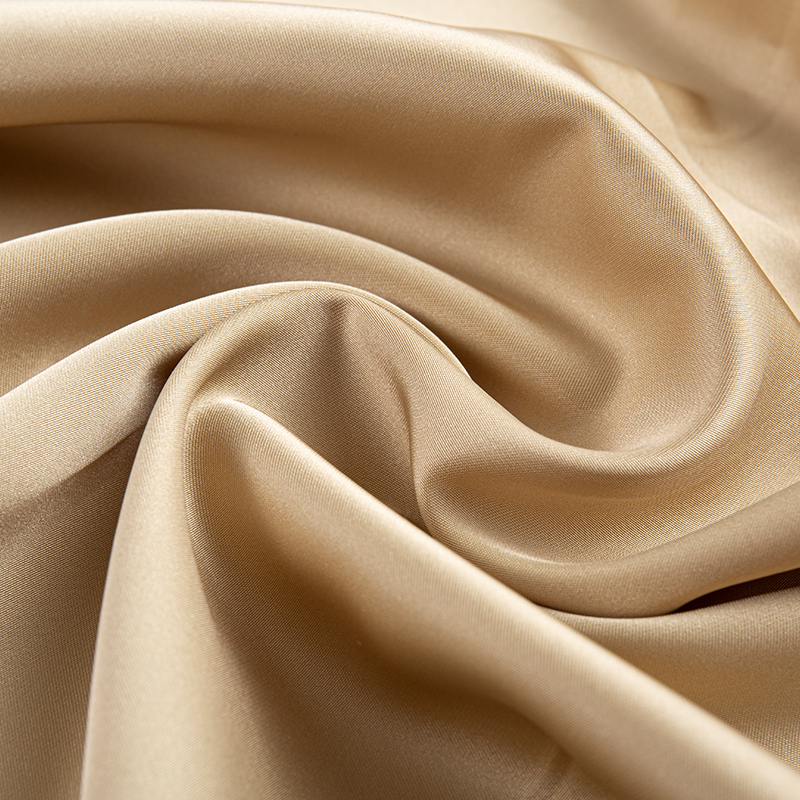
Acetate represents one of the most transformative innovations in luxury-accessible fabrics. Derived from cellulose, this semi-synthetic material mimics silk's lustrous appearance and flowing drape while offering superior practicality. Acetate fabrics provide exceptional characteristics that designers and manufacturers prioritize:
Silk imitation fabrics, often blended with acetate and polyester components, create surfaces indistinguishable from authentic silk to the untrained eye. These textiles find particular application in premium casual wear, business attire, and occasion dressing where budget constraints typically eliminated silk options.
Lyocell and Modal represent the cutting edge of sustainable textile innovation. These regenerated cellulose fibers combine the environmental benefits of plant-based materials with performance characteristics that rival or exceed traditional synthetics.
Lyocell Characteristics:
Modal Fabric Benefits:
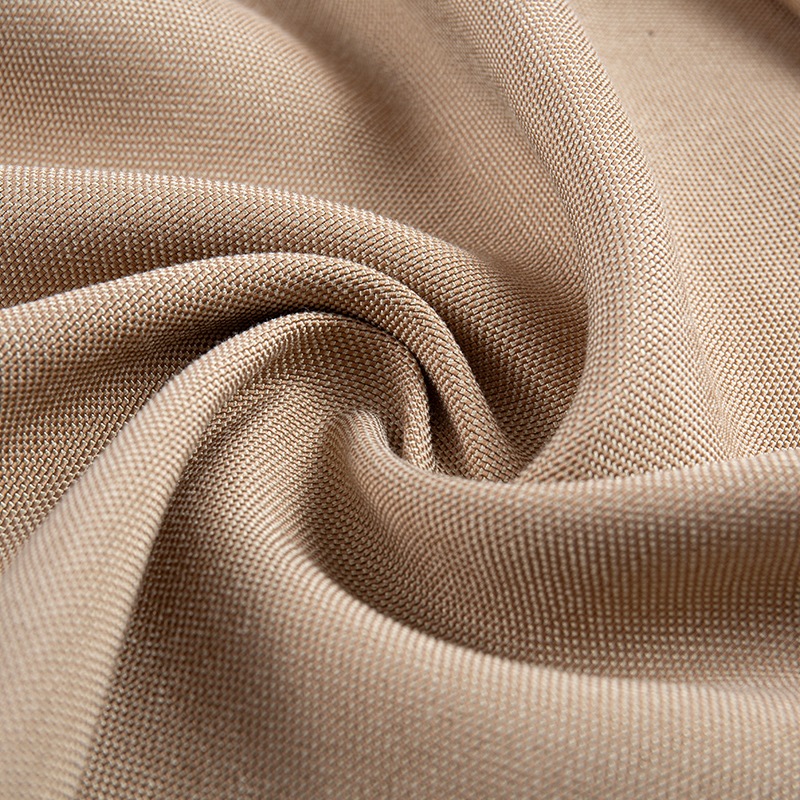
Cotton fiber remains the foundation of women's casual wear, particularly for basic essentials and everyday garments. Organic cotton production has expanded significantly, addressing environmental concerns while maintaining the comfort and breathability that made cotton the industry standard. Modern cotton processing techniques minimize chemical residue, creating fabrics suitable for sensitive skin applications.
Satin fabrics represent the pinnacle of visual drama in women's evening and occasion wear. The characteristic sheen emerges from specialized weaving techniques that orient fibers to reflect light uniformly, creating depth and movement with every gesture.
Satin Applications:
Knitted fabrics have revolutionized women's casual wear through advances in synthetic fiber technology and blending techniques. Modern knits combine stretch, recovery, and breathability in ways that rigid woven fabrics cannot achieve. Knitted series fabrics work across multiple garment categories:
One of the most significant innovations in contemporary women's apparel involves specialized black elastic fabrics engineered to deliver multiple performance metrics simultaneously. These materials address a critical market gap where consumers demand slimming silhouettes without sacrificing comfort or all-day wearability.
Key Performance Features:
Manufacturers utilizing specialized black elastic fabrics report higher customer satisfaction and reduced return rates compared to traditional spandex blends. The technology behind these materials involves multi-stage production processes that require expertise and precision manufacturing. The result justifies premium pricing through extended garment lifespan and superior wearer experience.
Selecting appropriate fabrics requires systematic evaluation across multiple dimensions. The decision framework should balance aesthetic aspirations with practical production constraints and market positioning.
Different clothing types impose specific fabric requirements that eliminate certain options immediately. A formal business blazer demands structure and recovery properties that flowing evening wear explicitly rejects. Understanding the primary function guides all subsequent decisions:
Consumer segments maintain distinct fabric preferences shaped by lifestyle, values, and budget availability. Luxury consumers accept premium pricing for sustainable materials and exceptional quality. Value-conscious buyers prioritize durability and ease of care. Mass-market positioning requires cost-effective solutions that don't sacrifice essential performance attributes.
Premium positioning supports higher fiber costs and specialized production techniques. Mid-market brands achieve competitive advantage through intelligent blending and quality manufacturing. Value segments depend on efficiency and commodity fiber sourcing. Misalignment between price point and fabric choice creates unsustainable economics or consumer disappointment.
Technical specifications determine whether fabrics will meet performance expectations and withstand customer use patterns:
| Specification | Measurement Unit | Relevance to Quality |
|---|---|---|
| Hand Feel | Subjective Assessment | Directly impacts wearer satisfaction and repeat purchase |
| Weight (gsm) | Grams per Square Meter | Determines drape, structure, and season appropriateness |
| Color Fastness | Grade Scale (1-5) | Resistance to fading through washing and sunlight exposure |
| Pilling Resistance | Grade Scale (1-5) | Longevity and maintained appearance through multiple wears |
| Elasticity | Percentage Recovery | Affects fit retention and wearer comfort in fitted garments |
| Moisture Regain | Percentage | Influences breathability and comfort in warm conditions |
| Shrinkage Rate | Percentage After Wash | Determines garment durability and fitting accuracy over time |
Production scalability requirements often constrain fabric selection. Small brands struggle with minimum order quantities that major suppliers impose. Strategic sourcing requires identifying suppliers capable of serving multiple volume tiers without excessive premium pricing for lower quantities. Lead times significantly impact inventory management, particularly for seasonal collections and trend-responsive assortments.
Fabric quality varies considerably even within the same material classification. Supplier selection determines color consistency, dimensional stability, and performance reliability across production runs. Establishing relationships with suppliers who maintain stringent quality control and transparent communication prevents costly production disruptions and customer dissatisfaction.
Requesting swatch books and conducting test productions with new suppliers represents essential due diligence. Comparing samples across multiple suppliers reveals subtle quality differences that impact final garment appearance and performance. Long-term partnerships typically deliver superior pricing and priority service compared to transactional one-off purchases.
Consumer consciousness increasingly factors sustainability into purchasing decisions. However, sustainability alone cannot justify fabric selection if performance and aesthetic standards suffer. The optimal approach integrates environmental responsibility with functional excellence. Transparent communication about fabric sourcing, production processes, and care recommendations builds consumer trust and justifies premium positioning.
Practical Tip: Request fabric certifications (GOTS for organic materials, OEKO-TEX for chemical safety, Cradle to Cradle for lifecycle assessment) from suppliers. These third-party validations provide objective evidence of sustainability claims and differentiate products in marketing communications.
The sourcing process requires systematic comparison across multiple criteria. Effective evaluation balances price, quality, capacity, and communication quality. Creating a standardized evaluation template ensures consistent assessment across potential suppliers and facilitates objective comparison.
Key Evaluation Categories:
Price reduction negotiation should never occur at the expense of quality standards. Strategic approaches include:
The most successful apparel manufacturers cultivate genuine partnerships with key fabric suppliers rather than treating sourcing as a purely transactional activity. These relationships provide access to innovation, priority service during supply constraints, and flexibility in responding to market demands. Regular communication, fair payment practices, and loyalty to reliable performers distinguish successful long-term partnerships from adversarial sourcing relationships.
Educating consumers about proper fabric care directly impacts garment lifespan and customer satisfaction. Clear, accessible care instructions prevent premature deterioration and extend wearable life. Detailed care guidance also positions brands as knowledgeable and consumer-focused.
Acetate and Silk Imitation: These delicate fabrics require gentle handling. Hand washing in cool water with mild detergent extends lifespan significantly. Dry cleaning remains appropriate for occasion wear. Avoid excessive wringing or tumble drying, which damages fiber structure and appearance.
Lyocell and Modal: These regenerated fibers benefit from cool water washing and air drying. Their natural properties improve with care, developing beautiful softness through multiple washes. Avoid bleach and high-heat drying, which compromise color vibrancy and fiber integrity.
Cotton Blends: Durable and forgiving, cotton-dominant blends tolerate machine washing and moderate heat. Nevertheless, washing inside-out protects color and reduces pilling. Using gentle cycles for fine knits and delicate constructions preserves structure and appearance.
Elastic Fabrics: Specialized black elastic blends require particular attention to prevent color fading. Washing inside-out and using color-protecting detergents maintains the deep black tone that defines these materials. Avoid fabric softeners, which compromise elastic properties and durability.
Satin Finishes: The lustrous surface that makes satin visually appealing requires protective care. Gentle hand washing, avoiding rough surfaces, and proper storage in a cool, dry environment preserve the characteristic sheen. Satin develops permanent creasing if folded improperly, so hanging storage often proves superior.
Fabric innovation increasingly intersects with digital technologies. Smart textiles embedded with monitoring capabilities, temperature-regulating fibers, and nanotechnology-enhanced surfaces represent emerging categories. While current adoption remains limited outside specialized markets, these innovations signal the textile industry's trajectory toward enhanced functionality and performance.
Global textile production continues consolidation in specific regions, driven by infrastructure, labor costs, and environmental regulations. This concentration creates both opportunities and challenges for apparel manufacturers. Proximity to major production hubs offers cost advantages, but geographic concentration increases supply chain vulnerability to disruptions. Diversification across multiple suppliers and regions provides resilience against unexpected shocks.
Modern consumers increasingly demand information about fabric origins, production methods, and end-of-life environmental impact. Brands that provide transparent supply chain communication differentiate themselves in competitive markets. This transparency extends to labeling, marketing communications, and educational content that helps consumers make informed purchasing decisions.
Both Lyocell and Modal are regenerated cellulose fibers produced from wood pulp, but they differ in production processes and resulting properties. Lyocell uses a closed-loop solvent process that recovers and recycles solvents, making it exceptionally sustainable. Modal employs a conventional viscose process that is less efficient but equally biodegradable. Lyocell offers superior moisture-wicking and antibacterial properties, while Modal excels in color retention and softness. Both deliver excellent environmental performance compared to synthetic alternatives.
Black fabric fading results from inadequate dye penetration, inappropriate dyeing chemistry, or insufficient color-fastness treatment. Quality suppliers invest in multiple-stage dyeing processes and specialized fixation techniques that ensure dyes bond permanently to fibers. Specialized black differentiated elastic fabrics incorporate advanced dyeing protocols specifically designed to resist color loss. Consumer care practices also significantly impact fading—washing inside-out and avoiding excessive heat dramatically extends color longevity.
Acetate's durability depends on garment construction and care practices. The fiber itself is reasonably robust, but acetate's delicate drape and lustrous appearance typically position it toward occasion wear and dress garments rather than heavy-use everyday items. Properly cared-for acetate garments retain appearance and structure for years. However, acetate garments require more careful handling than cotton or polyester, including gentle washing and protection from rough surfaces. The investment in proper care is justified by the exceptional aesthetic appeal acetate delivers.
Fabric weight (grams per square meter) indicates density and fiber content but does not directly correlate with quality. Lightweight fabrics can be exceptionally high-quality if construction, fiber selection, and finishing are meticulous. Heavy fabrics are not automatically superior—they simply serve different purposes. Flowy evening wear demands lightweight fabrics that drape beautifully. Structured outerwear requires heavier construction for durability and shape retention. Quality assessment requires evaluating weight relative to intended garment function and performance specifications rather than seeking universally heavy or light fabrics.
Effective communication translates technical properties into lifestyle benefits. Rather than citing moisture regain percentages, explain that fabrics "keep you feeling fresh and dry throughout the day." Instead of mentioning color-fastness grades, communicate that colors "maintain vibrancy through repeated washing and sun exposure." Use familiar comparisons—"soft as silk" resonates with consumers more than discussing fiber denier. Focus on sensory experiences and practical advantages: comfort, durability, ease of care, and confidence that garments maintain their appearance and structure over extended use.
Multiple certifications exist, each measuring different sustainability dimensions. GOTS certification confirms organic fiber production and socially responsible manufacturing. OEKO-TEX verifies chemical safety and health compatibility. Cradle to Cradle assessment evaluates entire product lifecycle and material reusability. Fair Trade certification addresses worker compensation and labor practices. Rather than prioritizing single certifications, develop comprehensive sourcing criteria integrating multiple perspectives. Communicate certification portfolios transparently—consumers appreciate multifaceted sustainability approaches more than single-dimension marketing claims.
Strategic blending represents the most pragmatic approach. Combining high-value fibers in visible areas (face fabrics) with cost-effective options in hidden regions (linings, interfacings) maintains quality perception while controlling costs. Standardizing color palettes and specifications across product lines reduces complexity and enables volume-based pricing from suppliers. Focusing marketing efforts on key differentiators—sustainability, performance, aesthetic appeal—justifies pricing and customer willingness to pay premium prices. Avoid racing purely on price; differentiate through unique value propositions that command appropriate pricing.
Essential testing includes color-fastness evaluation (to washing, sunlight, and perspiration), pilling resistance assessment, shrinkage determination, elasticity verification, and hand-feel validation. For performance-focused garments, moisture-wicking tests and breathability measurements prove valuable. Request test results from accredited laboratories rather than relying solely on supplier self-testing. Conducting your own quality verification on supplier samples prevents costly production errors and establishes realistic expectations. The modest investment in testing provides insurance against quality failures and customer dissatisfaction.
Effective collection planning integrates seasonal requirements with trend forecasting and production lead times. Summer collections demand lightweight, breathable fabrics prioritizing moisture-wicking and quick drying. Winter selections benefit from structure, insulation, and substantial hand feel. Shoulder seasons enable layering pieces and transitional weights. Planning 6-9 months in advance provides adequate lead time for sourcing, sampling, and production. Establish key fabric selections early, reducing the need for expensive rush orders or compromised quality. Building relationships with suppliers enables early access to seasonal trend information and priority allocation during constrained supply periods.
Color inconsistency represents the most frequent complaint, typically resulting from dye lot variations or improper color matching during production. Unexpected shrinkage after garment construction creates sizing problems and customer complaints. Pilling development during wear and laundering damages appearance and perception of quality. Elastic deterioration in blended fabrics compromises fit and wearer comfort. Inadequate color-fastness causes unacceptable fading through normal use. These issues stem from insufficient quality control, inappropriate supplier selection, or unrealistic specifications. Establishing rigorous testing protocols, working with certified suppliers, and maintaining realistic performance standards prevent these common failures.
The landscape of fashionable women's clothing fabrics continues evolving rapidly, offering unprecedented choices in sustainability, performance, and aesthetic appeal. Success in modern apparel manufacturing requires moving beyond commodity thinking toward strategic fabric selection that differentiates brands and justifies premium positioning.
The most competitive brands in 2026 recognize that fabric selection is not a peripheral procurement function but a core strategic decision directly impacting brand perception, customer satisfaction, and business profitability. Investing in supplier relationships, quality verification, and consumer education about fabric benefits creates sustainable competitive advantages that commodity pricing pressures cannot erode.
Whether prioritizing sustainable materials like Lyocell and Modal, emphasizing luxury through acetate and satin finishes, or engineering performance through specialized black elastic fabrics, intentional fabric selection aligns product quality with brand positioning and market expectations. The technical knowledge, supplier relationships, and strategic thinking required to execute this effectively separate thriving brands from those struggling with margin pressure and customer dissatisfaction.
Ready to Transform Your Fabric Sourcing? Connect with experienced textile partners who understand the specific requirements of women's apparel manufacturing. Request fabric samples, discuss your collection vision, and explore how strategic material selection elevates your brand positioning. Quality begins with material—make it count.