English
 Français
 عربى
عربى Home / News / Industry News / What Makes Polyester-Rayon Blend (TR) Fabric the Gold Standard for Uniforms and Professional Suiting?
Industry News

Content
The global apparel industry faces a persistent challenge: sourcing fabrics that balance durability, comfort, and cost-efficiency. Procurement specialists wrestling with fabric selection often encounter a frustrating paradox. Pure wool delivers elegance and performance but carries premium pricing and demanding care requirements. Pure polyester offers affordability yet compromises breathability, leaving wearers uncomfortable during extended wear. Pure cotton provides natural comfort but struggles with wrinkle retention and shrinkage stability.
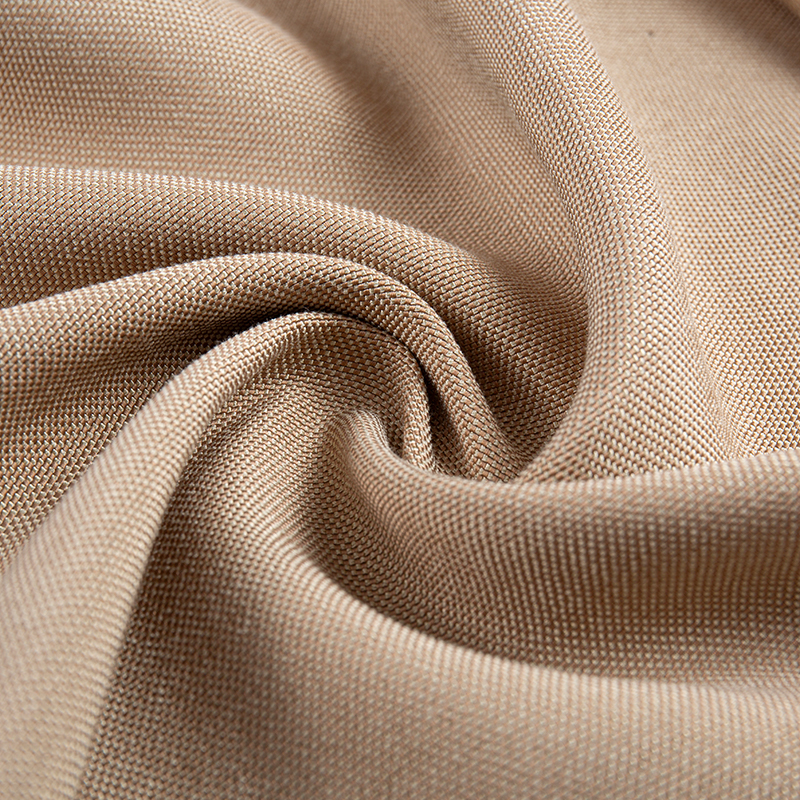
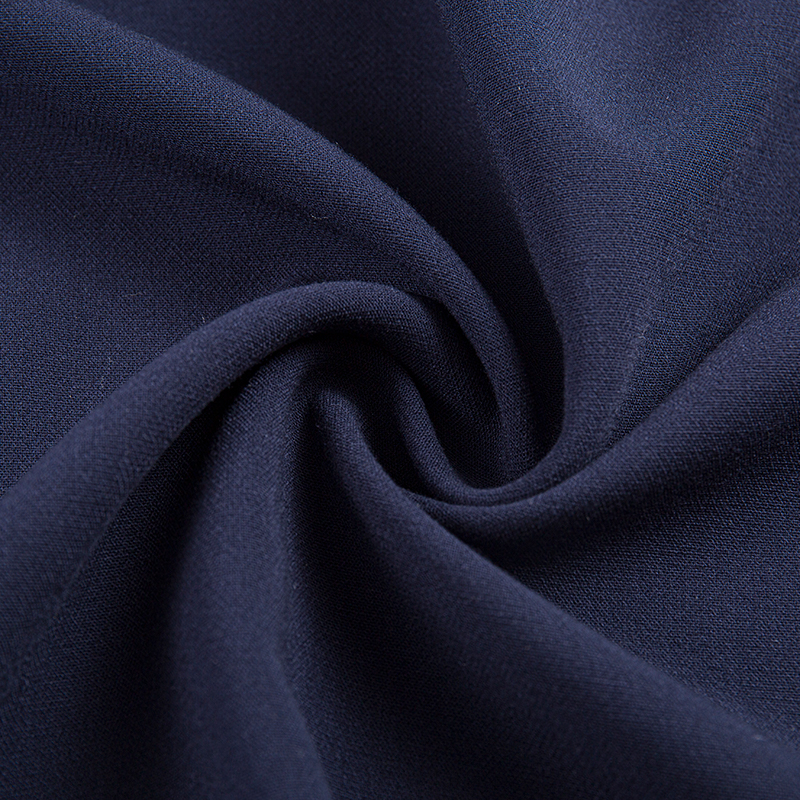
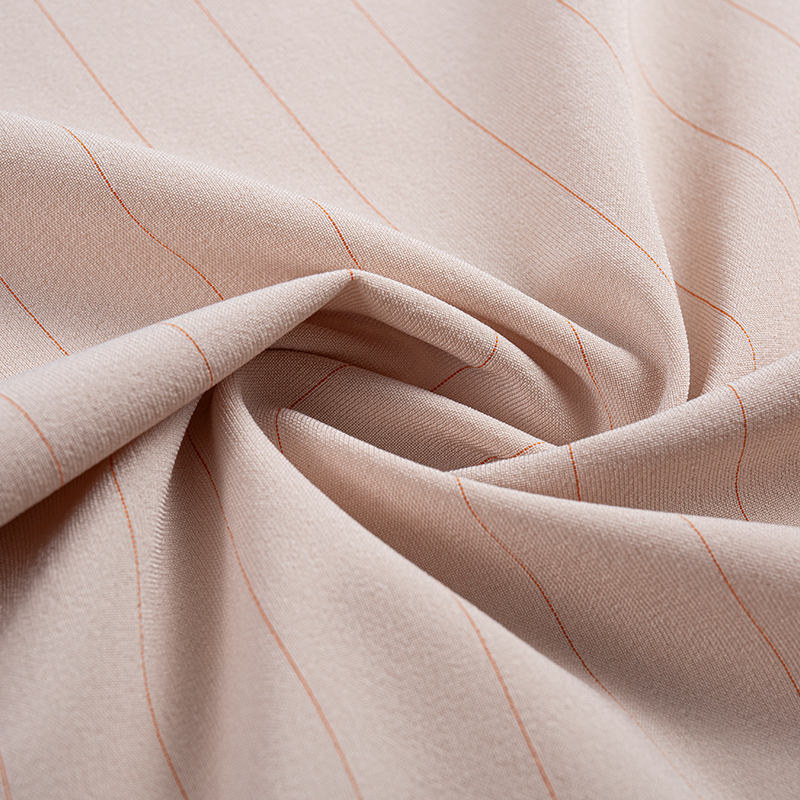
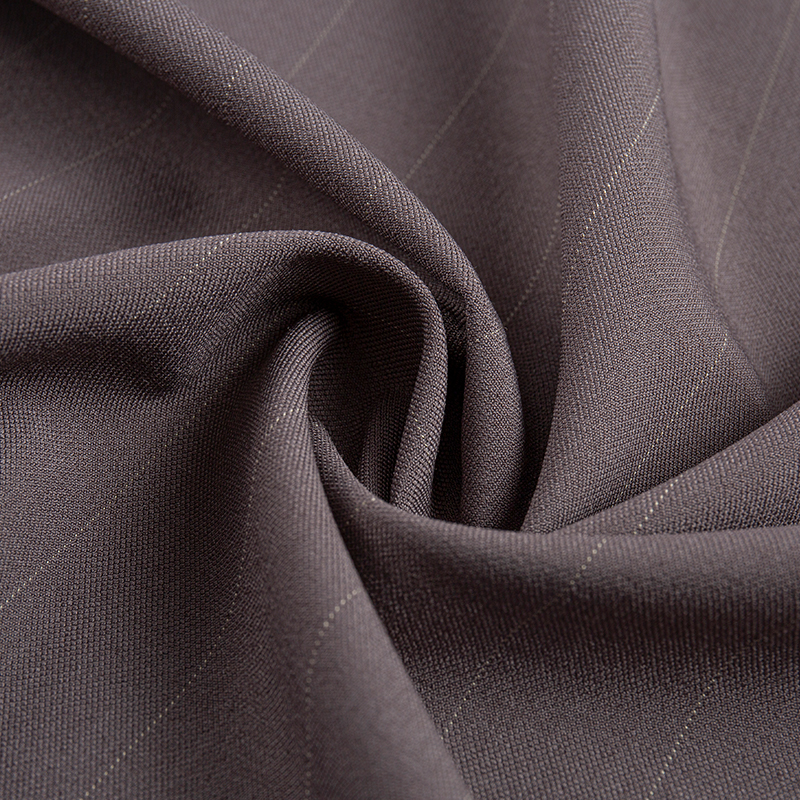
Enter the solution: polyester-rayon blend (TR) fabric. This engineered textile combines the best attributes of multiple fibers, creating a versatile material that has captured approximately 45 percent of the mid-market suiting segment worldwide. For uniform manufacturers, corporate apparel suppliers, and professional clothing producers, TR fabric represents an intelligent compromise that refuses to sacrifice quality for accessibility.
This comprehensive guide explores the technical architecture of TR fabric, its performance advantages across diverse applications, and practical strategies for selecting the right supplier. Whether you're outfitting an entire workforce or developing a premium suiting collection, understanding TR fabric fundamentals will transform your material decisions.
The designation "TR" is shorthand for a binary fiber blend where the letter "T" represents Polyester (chemically known as Terylene or polyethylene terephthalate) and the letter "R" represents Rayon (also called viscose or regenerated cellulose fiber). Unlike complex multi-fiber fabrics, the TR structure maintains elegant simplicity while delivering sophisticated performance characteristics.
This two-fiber system works through complementary synergy. Polyester contributes robust elasticity, rapid wrinkle recovery, and dimensional stability. Rayon adds natural tactile warmth, moisture absorption, and graceful drape. The marriage of these properties creates a fabric profile that neither fiber achieves independently.
The performance characteristics of TR fabric depend entirely upon the specific ratio between polyester and rayon components. Different proportions serve different market segments and application requirements.
This proportion represents the industry sweet spot for professional suiting and uniform applications. The 65 percent polyester component ensures reliable wrinkle resistance and shape retention, while the 35 percent rayon content delivers the soft handle and natural appearance that distinguishes quality garments from commodity alternatives. This blend achieves the closest approximation to wool aesthetics without wool's associated care complexity. Fabric manufactured to this specification typically exhibits an ideal weight of 250-320 GSM, creating garments that perform excellently across seasonal variations.
This higher polyester proportion emphasizes durability, abrasion resistance, and cost reduction. The reduced rayon content decreases material expenses while maintaining acceptable comfort standards. This blend finds its primary application in workwear production, industrial uniforms, and price-sensitive markets. The enhanced polyester component improves colorfastness and reduces shrinkage variance, making this specification ideal for high-volume industrial laundry operations.
Polyester functions as the structural backbone of TR fabric. This synthetic polymer delivers superior resilience, meaning fibers spring back to their original position after compression or stretching. This property prevents the permanent creasing that compromises the appearance of professional garments. Additionally, polyester demonstrates exceptional color retention through repeated laundering cycles, a critical requirement for corporate and educational uniforms that must maintain their visual identity throughout extended service life.
Rayon, by contrast, is a regenerated cellulose fiber derived from wood pulp. Unlike fully synthetic materials, rayon maintains cellulose's inherent moisture-regulating properties. This means rayon fibers absorb and release moisture naturally, preventing the clammy sensation associated with non-breathable synthetics. Furthermore, rayon creates a naturally matte surface appearance and silky tactile sensation, contributing to the sophisticated hand feel that differentiates premium uniforms from basic alternatives.
Professional appearance consistency represents a non-negotiable requirement for corporate uniforms, school clothing, and service industry apparel. TR fabric addresses this requirement through polyester's exceptional elastic recovery property. When a garment constructed from TR suiting experiences compression during eight hours of seated office work, the polyester fibers spring back nearly completely, restoring the crisp pressed appearance that characterized the garment at start of day.
Comparative testing demonstrates that pure cotton garments require pressing after a single wearing, while pure wool mandates overnight rest and steaming for wrinkle elimination. TR fabric maintains acceptable appearance without intervention, translating to dramatically reduced maintenance costs for institutional purchasers managing hundreds or thousands of garments simultaneously.
The moisture management capabilities of TR fabric represent a fundamental advantage over 100 percent polyester alternatives. Rayon fibers actively absorb perspiration, transporting it away from the skin surface through capillary action. This moisture-wicking property prevents the uncomfortable sweat accumulation that characterizes wearing non-breathable synthetics during active wear or warm conditions.
Additionally, rayon's natural affinity for moisture creates superior comfort during temperature fluctuations. The fiber responds to ambient humidity, adjusting its moisture content dynamically. This responsiveness ensures that garments feel neither clammy in humid conditions nor uncomfortable in dry environments, contributing to all-day comfort that supports worker productivity and wearer satisfaction.
Material cost represents a critical decision factor in procurement for organizations managing substantial apparel budgets. TR fabric achieves remarkable cost-effectiveness: procurement pricing typically ranges from USD 2.50 to USD 4.50 per linear meter, positioning it at approximately 40 to 60 percent of pure wool fabric costs while delivering 85 to 95 percent of the visual and tactile benefits.
This cost advantage compounds across the entire garment lifecycle. Reduced material expenses decrease initial production investment. Simplified care requirements diminish operational costs. Extended garment lifespan from superior abrasion resistance postpones replacement cycles. For institutions sourcing uniforms for hundreds of employees or students, these cumulative savings achieve significance at organizational level.
Corporate uniform programs and school apparel initiatives depend on reliable care protocols that accommodate high-volume institutional laundry operations. TR fabric thrives within these parameters. Machine washing at standard commercial temperatures presents no technical challenges. Polyester's low moisture regain rate (approximately 0.4 percent) prevents significant shrinkage, with total dimensional change rarely exceeding 2 to 3 percent even after fifty wash cycles at industrial water temperatures.
Contrast this with pure cotton, which typically exhibits 5 to 7 percent shrinkage, or wool, which requires specialized dry-cleaning protocols and temperature-controlled washing. The elimination of dry-cleaning requirements alone generates substantial cost savings for institutional purchasers operating extensive uniform programs.
Understanding technical documentation enables procurement specialists to make informed decisions and communicate precise requirements to suppliers. The following specifications define TR fabric characteristics and quality markers.
Yarn count notation (e.g., 32s/2 or 40s/2) describes the thickness and weight of the individual yarns comprising the fabric. The numerical value indicates the number of yarn weight units (typically grams or thousandths of a pound) contained in a specific length (usually 840 meters). The "/2" notation indicates that two single yarn strands are twisted together to create the final yarn used in weaving.
Higher yarn counts produce finer yarns, resulting in smoother, more luxurious fabric surfaces. A 40s/2 specification will deliver noticeably finer hand feel and more refined appearance than 32s/2, but typically at slightly elevated cost. For professional suiting applications, 32s/2 to 40s/2 represents the optimal range, balancing tactile quality with reasonable procurement expense.
GSM measurement quantifies fabric density and weight. This specification directly influences garment appearance, durability, and suitability for specific seasonal applications.
| Weight Category | GSM Range | Optimal Applications |
|---|---|---|
| Lightweight | 180-220 GSM | Summer uniforms, dress shirts |
| Mid-weight (Recommended) | 250-320 GSM | Year-round suiting, corporate uniforms |
| Heavyweight | 340+ GSM | Winter outerwear, heavy workwear |
The weave structure determines how individual yarns interlace, influencing the fabric's visual appearance, tactile sensation, and functional properties.
Twill weave features a distinctive diagonal line pattern created by offset floating yarns. This structure delivers superior abrasion resistance, making garments exceptionally durable in high-wear environments. Twill-woven TR fabric exhibits enhanced wrinkle resistance compared to plain weaves and presents a more sophisticated, refined appearance appropriate for professional settings. The diagonal line pattern adds visual interest while maintaining conservative professional aesthetics. Twill represents the optimal choice for corporate suiting, executive uniforms, and professional dress codes.
Plain weave produces the simplest yarn interlacement, with warp and weft yarns alternating over and under with no floating sections. This structure maximizes breathability and creates the smoothest possible surface texture. Plain-woven TR fabric weighs less than twill alternatives and exhibits superior drape characteristics, making it ideal for dress shirts, summer uniforms, and applications where fluid movement is advantageous. The clean, understated appearance suits both casual professional and service industry environments.
Color fastness testing verifies how reliably fabric retains its dyed color through laundering, perspiration exposure, and sunlight exposure. Industry standards rate color fastness on a scale of 1-5, with grade 4 or 5 essential for institutional uniforms experiencing repeated industrial washing cycles.
Shrinkage variance standards specify acceptable dimensional change ranges. Reputable suppliers guarantee total shrinkage not exceeding 3 percent in length and 2 percent in width after industrial laundering, ensuring garments maintain size consistency throughout their service life.
Organizations implementing comprehensive uniform programs demand fabrics that withstand aggressive industrial laundry protocols while maintaining appearance consistency. TR fabric excels within these parameters. Institutional laundry operations expose garments to high water temperatures, mechanical agitation, and alkaline detergents—conditions that would compromise lesser fabrics within weeks.
TR suiting survives these environments due to polyester's inherent chemical stability and rayon's compatibility with standard commercial detergents. Color retention remains excellent, with fabric retaining 90 percent or greater of its original color vibrancy after fifty wash cycles at 65 degrees Celsius. For school districts, transportation services, hospitality organizations, and corporate workplace initiatives, this durability translates to multi-year garment lifecycles and substantial cost per wearing reduction.
Women's professional wardrobes require fabrics that combine drape elegance with body-conforming structure. Advanced manufacturers enhance standard TR fabric with elastane (spandex) additions in the range of 2 to 5 percent, creating four-way stretch suiting that accommodates dynamic body movement while maintaining tailored silhouette.
This modified formulation preserves all inherent TR advantages while adding responsive stretch that moves with the wearer. The result accommodates contemporary body-conscious tailoring while maintaining the wrinkle resistance and easy-care properties that define professional practicality. Women's suits constructed from elastane-enhanced TR fabric deliver both appearance confidence and wearing comfort throughout extended business days.
Workwear applications demand exceptional abrasion resistance and color stability. Factory workers, maintenance personnel, and industrial equipment operators subject their garments to harsh mechanical stresses that would rapidly deteriorate lower-quality fabrics. The 80/20 polyester-rayon blend specifically targets these applications, prioritizing durability over tactile luxury.
Twill-woven 80/20 TR fabric exhibits martingale abrasion resistance exceeding 20,000 cycles, meaning garments resist visible pilling or fiber breakage even under extreme mechanical stress. The enhanced polyester percentage ensures color stability in industrial environments where chemical exposure or persistent outdoor use would fade inferior materials.
Medical facilities, hospitality services, and transportation operators require garments that maintain strict hygiene standards while supporting extended wearing comfort. TR fabric addresses these requirements through its combination of machine-washability at elevated temperatures, chemical compatibility with standard sterilization protocols, and moisture-management properties that prevent perspiration accumulation during active service.
Key Insight: The versatility of TR fabric lies in its ability to serve diverse end-market requirements simultaneously. A single TR specification can satisfy the durability demands of workwear while maintaining the aesthetic refinement required for professional suiting, a rare combination in the textile industry.
Cotton garments deliver comfort through natural fiber properties and breathability. However, cotton introduces significant practical challenges for institutional and professional applications. Pure cotton fabric exhibits substantial wrinkle tendency, requiring pressing after each wearing to maintain appearance standards. Additionally, cotton demonstrates concerning shrinkage characteristics, with typical fabric sizes reducing 5 to 7 percent in length and width following industrial washing protocols.
For institutional purchasers managing uniforms across hundreds of individuals with varying sizes, this shrinkage creates fit management nightmares. TR fabric addresses this limitation, with total shrinkage not exceeding 2 to 3 percent under identical washing conditions. Furthermore, TR's superior wrinkle resistance eliminates the need for pressing, reducing maintenance labor and associated energy consumption.
Wool remains the gold standard for professional suiting, delivering unmatched sophistication, superior thermoregulation, and natural luxury. However, wool's practical limitations render it unsuitable for most institutional uniform applications. Wool requires dry-cleaning protocols that are incompatible with high-volume institutional laundry operations. Professional dry-cleaning adds approximately USD 3 to USD 5 to the lifecycle cost of each garment, creating substantial expense for organizations managing hundreds or thousands of uniform pieces.
Wool also exhibits vulnerability to mechanical damage from aggressive commercial laundering, shrinkage, and felting. For organizations prioritizing cost efficiency and operational simplicity, wool represents an impractical luxury. TR fabric delivers 85 to 90 percent of wool's aesthetic qualities at 40 to 60 percent of wool's material cost, while accommodating standard commercial laundering protocols.
Pure polyester fabrics offer exceptional durability, minimal shrinkage, and outstanding cost efficiency. However, this economy comes with significant comfort compromises. 100 percent polyester fabrics demonstrate poor breathability due to their synthetic nature and high moisture repellency. Wearers often report clammy discomfort in warm conditions, as polyester fibers lack the moisture-absorption properties necessary for effective perspiration management.
Additionally, pure polyester exhibits a synthetic, plastic-like hand feel that fails to deliver the tactile sophistication associated with professional appearance standards. TR fabric's rayon component addresses these limitations, introducing natural moisture-regulation properties and silky tactile sensation that elevate pure polyester's comfort profile toward wool-like performance without compromising durability or cost efficiency.
| Characteristic | TR Fabric | Pure Cotton | Pure Wool | Pure Polyester |
|---|---|---|---|---|
| Wrinkle Resistance | Excellent | Poor | Very Good | Excellent |
| Shrinkage Rate | 2-3% | 5-7% | 8-10% | 1-2% |
| Material Cost | Moderate | Moderate | Very High | Low |
| Care Requirements | Simple | Moderate | Complex | Very Simple |
| Comfort & Breathability | Very Good | Excellent | Excellent | Fair |
Successful procurement begins with comprehensive requirement definition. Vague specifications lead to delivery disappointments and costly re-orders. Prepare detailed specifications before initiating supplier conversations.
Visual assessment cannot substitute for hands-on evaluation. Request fabric samples and evaluate them through rigorous testing protocols before committing to bulk orders.
Commercial textile suppliers typically enforce minimum order quantities to ensure production efficiency. Standard MOQ for TR fabric typically ranges from 1,500 to 3,000 linear meters, though suppliers working with established wholesale purchasers may accommodate smaller quantities.
Lead times from sample approval to bulk delivery typically range from 30 to 60 days, depending on the supplier's production capacity, your specific customization requirements, and current order backlog. Plan procurement timelines accordingly, ensuring sufficient lead time buffer for quality verification and logistics coordination.
Beyond product specifications, supplier selection requires assessment of operational reliability and customer support quality. Investigate the following factors:
Textile procurement pricing varies considerably based on order volume, customization complexity, and market conditions. Volume-based pricing typically follows this structure:
Standard Volume Pricing Model
Standard payment terms typically include 30-50 percent deposit upon order confirmation, with balance due upon shipment or shortly thereafter. Established purchasers may negotiate net 30 terms as relationships mature.
Reputable TR fabric suppliers adhere to internationally recognized quality standards ensuring consistency, safety, and environmental responsibility. Key certifications include ISO 9001 quality management systems, ISO 14001 environmental management systems, and OEKO-TEX certification verifying that textiles meet stringent chemical safety and environmental standards.
Additionally, leading suppliers comply with REACH (Registration, Evaluation, Authorization and Restriction of Chemicals) regulations governing chemical usage in textile manufacturing. For purchasers sourcing uniforms for use in regulated environments (healthcare, food service, government), verifying compliance with applicable regulations provides essential legal protection.
Testing protocols quantify fabric performance across repeated use cycles. The ISO 105 colorfastness standard specifies testing procedures for light fastness, wash fastness, and perspiration fastness. Institutional uniform applications require minimum grade 4 colorfastness across all testing protocols, ensuring color retention even through industrial laundering and extended wear exposure.
Pilling resistance testing, conducted per ISO 12945 standards, quantifies fabric resistance to fiber balling during wear. Quality TR fabric should achieve grade 4 or higher on the standard 5-point pilling scale, indicating resistance to visible pilling even in high-friction areas.
ISO 6330 defines standard procedures for measuring shrinkage following repeated laundering cycles. Quality TR fabric suppliers provide certified shrinkage data confirming that fabric dimensions remain stable within acceptable tolerances (typically not exceeding 2-3 percent) following fifty wash cycles at standard commercial temperatures.
TR fabric's performance advantages realize fully only through thoughtful garment design. Several design practices maximize the inherent benefits of this versatile material:
Despite TR fabric's easy-care reputation, following recommended laundering practices optimizes garment longevity and appearance retention.
Organizations implementing uniform programs benefit from structured maintenance protocols that extend garment lifespan and optimize replacement scheduling:
| Maintenance Activity | Frequency | Rationale |
|---|---|---|
| Inspection for fit degradation | Every 50 wash cycles | Identify wear patterns requiring reinforcement |
| Seam integrity check | Every 75 wash cycles | Verify seam strength before catastrophic failure |
| Color fastness evaluation | Every 100 wash cycles | Monitor color retention and identify fading |
| Pilling and fiber breakdown assessment | Every 50 wash cycles | Address surface degradation before it becomes visible |
Modern textile procurement increasingly incorporates sustainability evaluation into sourcing decisions. TR fabric presents a balanced environmental profile compared to alternatives. Polyester production requires petrochemical feedstocks but delivers exceptional durability, reducing replacement frequency and cumulative material consumption. Rayon production originates from renewable wood pulp but historically employed harsh chemical processes generating environmental discharge concerns.
Responsible manufacturers now employ closed-loop rayon production systems (Lyocell processes) that recover and recycle solvents, minimizing chemical discharge while maintaining fiber quality. Procurement from suppliers implementing closed-loop rayon production technologies demonstrates environmental responsibility while maintaining superior product performance.
TR fabric's extended service life represents the most significant environmental advantage. A garment constructed from durable TR suiting that remains in service for five years displaces five years of alternative garments that might require annual replacement. This durability-driven longevity dramatically reduces overall resource consumption, manufacturing emissions, and textile waste generation.
Reputable TR fabric suppliers employ certified dyestuffs and finishing processes verified to comply with OEKO-TEX and other chemical safety standards. These certifications ensure that finished fabrics contain no hazardous residual chemicals that might migrate onto wearer skin or contaminate environmental systems during end-of-life disposal.
TR fabric represents a polyester-rayon blend where "T" stands for Terylene (polyester) and "R" stands for Rayon (viscose fiber). This binary blend combines the durability and wrinkle resistance of polyester with the breathability and natural tactile properties of rayon, creating a fabric that balances performance across multiple dimensions.
TR fabric performs excellently in healthcare settings. The material withstands high-temperature clinical sterilization, maintains color integrity through frequent laundering, and resists staining from common healthcare substances. However, confirm that your specific TR fabric formulation meets any applicable medical textile standards required by your healthcare facility.
Absolutely. The 80/20 polyester-rayon blend specifically targets workwear applications where durability and abrasion resistance take priority. Twill-woven 80/20 TR fabric delivers exceptional martingale abrasion resistance exceeding 20,000 cycles, making it ideal for factory uniforms, maintenance workwear, and heavy-use applications.
TR fabric's primary advantage lies in its minimal wrinkle retention. Most TR garments maintain an acceptable appearance without ironing even after a full day of seated work. Light touch-up pressing may enhance appearance for formal professional settings, but routine ironing is unnecessary, significantly reducing maintenance labor and energy consumption.
The 65/35 blend emphasizes comfort and aesthetic refinement, delivering superior breathability and a more luxurious hand feel appropriate for professional suiting. The 80/20 blend emphasizes durability and cost efficiency, prioritizing abrasion resistance and value optimization for workwear applications. Select the blend ratio that best aligns with your specific end-market requirements.
Standard minimum order quantities typically range from 1,500 to 3,000 linear meters, though suppliers may negotiate lower minimums for established wholesale customers or offer higher minimums with volume discounts. Confirm MOQ requirements with your selected supplier during the quotation process.
Quality TR fabric garments typically remain serviceable for 3 to 5 years of regular professional use, depending on specific end-market demands, care protocols, and manufacturing quality. Institutional uniforms constructed from quality TR suiting often maintain acceptable appearance and functionality for 4 to 6 years, significantly extending garment lifecycle compared to lower-quality alternatives.
Yes, TR fabric can be custom dyed to virtually any color specification. Most suppliers offer custom dyeing services for bulk orders (typically minimum 1,500 meters). Custom dyeing adds 10-20 percent premium to standard pricing and typically extends lead times by 2 to 3 weeks to accommodate dye development and lab matching processes.
TR fabric typically presents low allergenic risk for most wearers. Both polyester and rayon are well-tolerated synthetic materials. However, individuals with specific chemical sensitivities should request OEKO-TEX certified samples to verify absence of residual processing chemicals that might trigger reactions.
TR fabric performs adequately in moderate temperature extremes. Polyester exhibits good thermal stability, maintaining structural integrity in both high and low temperature environments. However, for extreme-temperature applications (industrial furnace environments, arctic conditions), specialized technical fabrics engineered specifically for those conditions may outperform general-purpose TR suiting.
TR fabric presents a favorable environmental profile due to exceptional durability, which extends garment lifecycles and reduces cumulative material consumption. However, the environmental impact depends significantly on dyeing processes and fiber sourcing. Selecting suppliers employing closed-loop rayon production systems and OEKO-TEX certified finishing processes ensures responsible environmental stewardship.
Yes, many manufacturers produce elastane-enhanced TR fabric (typically incorporating 2-5 percent elastane) that provides four-way stretch capabilities. This modified blend remains ideal for contemporary body-conscious tailoring while retaining all inherent TR performance advantages. Such modified blends typically command a 10-15 percent price premium over standard TR fabric.
The textile procurement landscape presents complex decision matrices requiring balancing performance requirements, cost constraints, sustainability considerations, and operational practicality. TR fabric emerges as a compelling solution that addresses multiple organizational priorities simultaneously without requiring compromise across essential dimensions.
Whether you're evaluating washable suiting fabric specifications for corporate uniform programs, sourcing professional garment materials for premium product lines, or seeking cost-effective alternatives to traditional natural fibers, TR fabric delivers measurable advantages in durability, performance consistency, and total cost of ownership.
The sourcing process requires attention to technical specifications, thorough supplier evaluation, and rigorous quality verification, but the investment in informed procurement delivers years of reliable performance and organizational value. By applying the selection frameworks and technical knowledge presented throughout this guide, procurement professionals can confidently navigate TR fabric sourcing, secure reliable material supplies, and support organizational objectives through superior textile selection.