English
 Français
 عربى
عربى Home / Products / Fashionable Women's Clothing Fabrics / Natural fiber (acetic acid, Tencel, etc.) fabric
Wholesale Natural Fiber Fabric

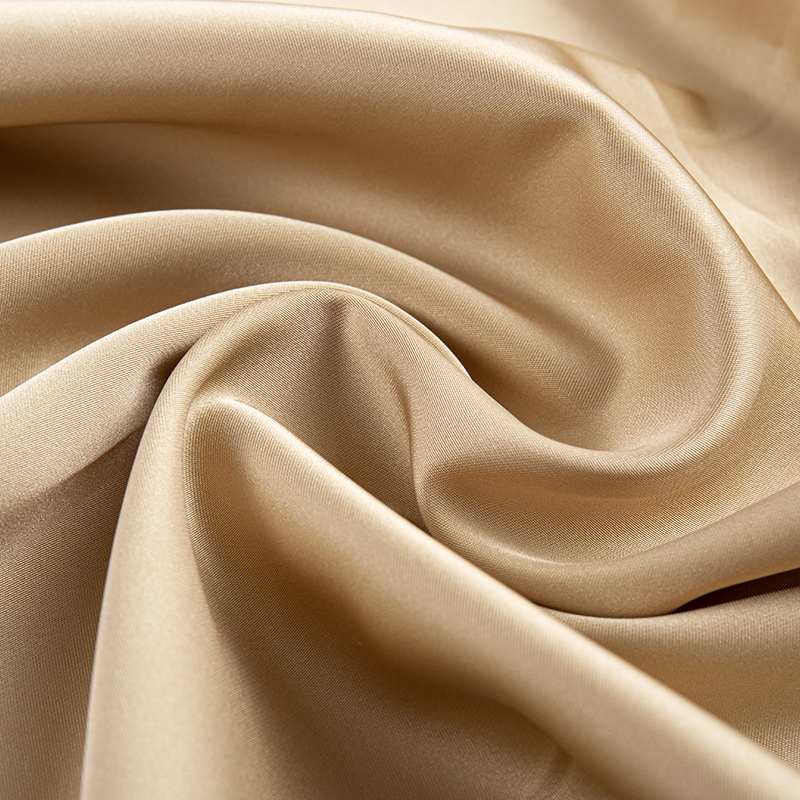
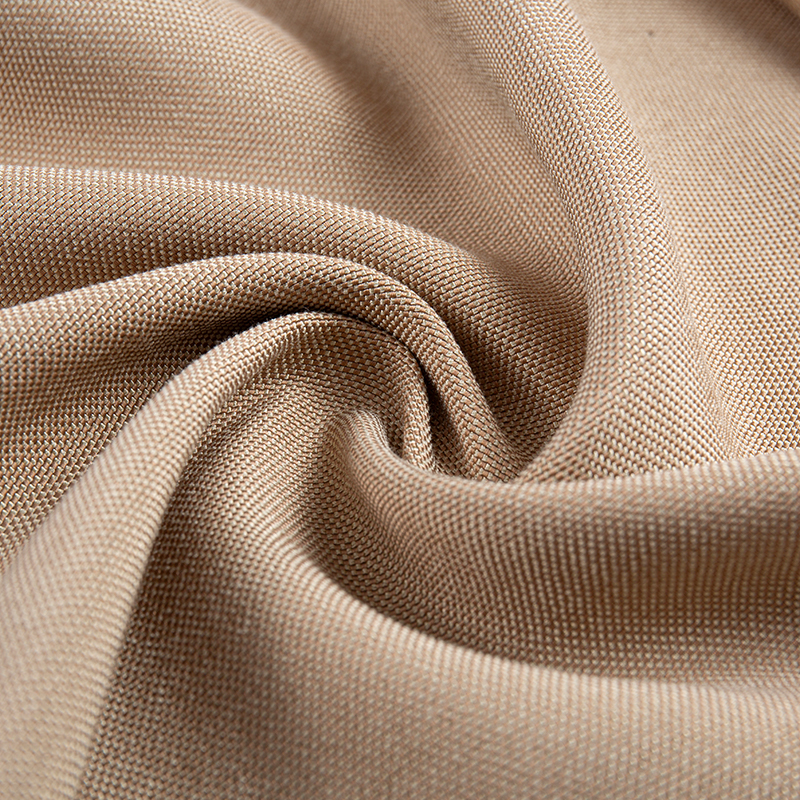
In the rapidly evolving garment industry, the choice of material determines the success of a collection. For designers a...
READ MOREIn the world of formal wear, fabric choice plays a crucial role in the final product’s quality, appearance, and durabili...
READ MORE1. Introduction: Why Choose Natural Fiber Fabric In the context of the rapid development of the modern textile industry,...
READ MORE1. What is Nylon Fabric and Why It Matters In today’s textile world, Nylon Fabric has become an essential material that ...
READ MOREIn today's textile industry, which continuously strives for a balance between performance and aesthetics, a fabric that ...
READ MOREIn today’s textile industry, the demand for fabrics that provide comfort, durability, and performance is continuously rising. A key area of focus is moisture absorption and thermal regulation, which play significant roles in maintaining comfort and skin health. When comparing natural fiber fabrics such as cotton, linen, wool, and hemp, one must consider how these materials perform in terms of moisture absorption and thermal regulation.
Natural fiber fabrics are known for their ability to absorb moisture efficiently, offering advantages over synthetic materials. Materials like cotton, linen, and wool are naturally hygroscopic, meaning they can absorb moisture from the surrounding environment without feeling heavy or uncomfortable.
Cotton is one of the most widely used natural fibers in textiles. It is highly absorbent, capable of holding moisture up to 25 times its weight, making it a top choice for everyday wear and comfort. The structure of cotton fibers allows air and moisture to pass through easily, creating a breathable fabric. This makes cotton fabrics ideal for warm climates, as they wick away sweat and keep the wearer dry.
Linen, derived from the flax plant, is another excellent fabric known for its moisture-wicking properties. It has a higher moisture absorption rate than cotton, absorbing up to 20% of its weight without feeling damp. Linen’s lightweight and porous nature allow it to dry quickly, making it ideal for summer clothing and bedding.
Wool is a unique natural fiber due to its ability to absorb moisture while maintaining its insulating properties. Wool can absorb up to 30% of its weight in moisture without feeling wet. Unlike cotton and linen, wool does not feel damp when wet because the moisture is trapped within the fiber, leaving the outer layer feeling dry. This makes wool an excellent choice for colder climates as it provides both moisture absorption and insulation.
Hemp, a durable and eco-friendly natural fiber, also offers excellent moisture-wicking properties. While not as absorbent as cotton or linen, hemp fabric is highly breathable and dries quickly. It is often blended with other natural fibers to enhance its moisture management capabilities.
Thermal regulation refers to a fabric’s ability to retain or release heat, ensuring comfort across varying temperatures. Natural fibers excel in this area due to their natural structure and properties.
Cotton has moderate thermal regulating properties. It is cool to the touch and breathable, making it an ideal material for summer clothing. However, it is not the best insulator and can lose heat quickly in colder weather, which is why it is often used for warmer months or as a base layer in colder climates.
Linen offers excellent thermal regulation properties due to its lightweight and breathable nature. It is ideal for warm weather, as it allows air to flow freely through the fabric, keeping the body cool. In colder climates, however, linen may not provide the insulation needed for warmth.
Wool excels in thermal regulation. It traps heat within its fibers, providing excellent insulation even when wet. Wool fibers contain natural crimp, which helps to trap air and maintain body warmth. This makes wool fabrics a popular choice for winter garments such as coats, sweaters, and blankets.
Hemp, similar to wool, is an excellent insulator. It provides warmth in colder weather while remaining breathable. Hemp fibers also have natural moisture-wicking properties, which help to regulate body temperature by keeping the wearer dry, enhancing comfort during both hot and cold weather.
| Fiber | Moisture Absorption | Thermal Regulation | Best Use |
|---|---|---|---|
| Cotton | Absorbs up to 25 times its weight | Moderate, best for warm weather | Casual wear, bedding, summer clothing |
| Linen | Absorbs up to 20% of its weight | Excellent, keeps body cool | Summer wear, bedding, tablecloths |
| Wool | Absorbs up to 30% of its weight | Excellent, retains warmth | Winter clothing, blankets, outerwear |
| Hemp | Moderate, dries quickly | Good, regulates both heat and cool | Eco-friendly fashion, mixed fibers |
Natural fibers like cotton, linen, wool, and hemp are not only known for their functional properties but also for their environmental benefits. These fibers are biodegradable, renewable, and can be produced with minimal impact on the environment. In contrast to synthetic fibers, which are derived from petroleum-based resources, natural fibers offer a more sustainable option for the growing textile market.
As a leading supplier in the textile industry, HUZHOU HONGCHANG TEXTILE TRADING CO., LTD. specializes in the production and sale of sustainable fabrics, including cotton, modal, and lyocell. The company’s strong commitment to innovation and eco-friendly practices ensures that each product is developed with sustainability in mind. Through its research and development initiatives, Hongchang works closely with customers to create high-quality textiles that meet both functional and environmental demands.
Natural fiber fabrics like cotton, linen, wool, and hemp offer distinct advantages in terms of moisture absorption and thermal regulation. These fibers are naturally breathable, moisture-wicking, and capable of maintaining comfort in various climates. While each fiber type has its own unique properties, all contribute to a more sustainable and comfortable fabric option for consumers. Whether you’re looking for fabrics that excel in summer comfort or materials that provide warmth in cold weather, natural fibers are an excellent choice.
1. What is the best natural fiber for moisture absorption?
Cotton and linen are the most effective natural fibers for moisture absorption, with cotton absorbing up to 25 times its weight.
2. Can wool fabrics regulate temperature?
Yes, wool is highly effective in regulating temperature, providing insulation even when wet.
3. Why is linen a popular fabric in summer clothing?
Linen is lightweight, breathable, and dries quickly, making it ideal for keeping cool in hot weather.
4. Is hemp fabric eco-friendly?
Yes, hemp is a sustainable fiber that grows quickly and requires less water and pesticides compared to other crops.
5. How does HUZHOU HONGCHANG ensure fabric quality?
HUZHOU HONGCHANG uses strict quality control measures and collaborates with customers to develop innovative, high-quality fabrics each month.