English
 Français
 عربى
عربى Home / News / Industry News / How Can Polyester-Cotton Blend (TC) Fabric Improve Comfort and Durability in Office Attire?
Industry News

Content
In the world of formal wear, fabric choice plays a crucial role in the final product’s quality, appearance, and durability. Among the various fabric options, polyester-cotton blend (TC) fabric has emerged as a preferred choice for both manufacturers and consumers alike. This versatile material is widely used in the production of business suits, office attire, and other formal clothing due to its numerous benefits. From durability to ease of care, polyester-cotton blend fabric offers a balance between comfort, practicality, and sophistication, making it a top contender for anyone seeking reliable, long-lasting formal wear.
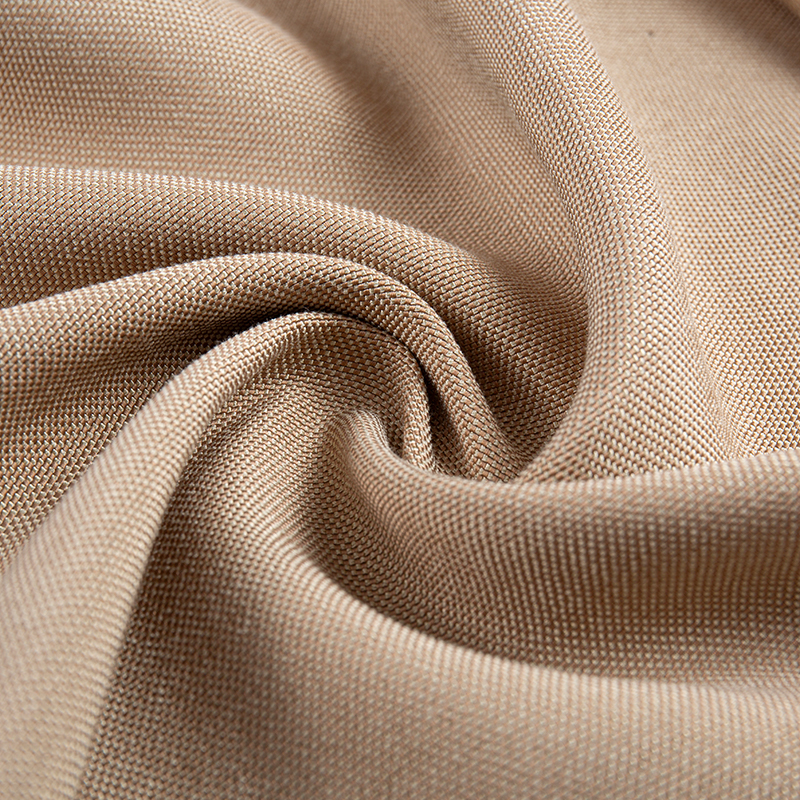
Polyester-cotton blend fabric, often referred to as TC fabric, is a mixture of polyester and cotton fibers. The typical ratio of polyester to cotton in TC fabric is 65% polyester and 35% cotton, though variations exist depending on the desired characteristics of the finished product. Polyester, a synthetic fiber, contributes strength, durability, and resistance to wrinkles, while cotton, a natural fiber, provides breathability, comfort, and moisture absorption. The blend of these two fibers creates a fabric that combines the best of both worlds, offering a soft feel against the skin, while maintaining durability and resistance to environmental factors such as wrinkles and shrinkage.
Polyester-cotton blend fabric is popular for its balanced attributes that make it suitable for a variety of formal wear applications. The polyester component ensures the fabric is durable and maintains its shape, while the cotton content enhances comfort and breathability. This blend makes TC fabric particularly attractive for use in formal clothing, where both appearance and comfort are key.
Basic Composition and Ratio of Polyester-Cotton Blend Fabric
| Fabric Composition | Ratio | Properties |
|---|---|---|
| Polyester | 65% | Durable, wrinkle-resistant, fast-drying |
| Cotton | 35% | Breathable, comfortable, moisture-absorbent |
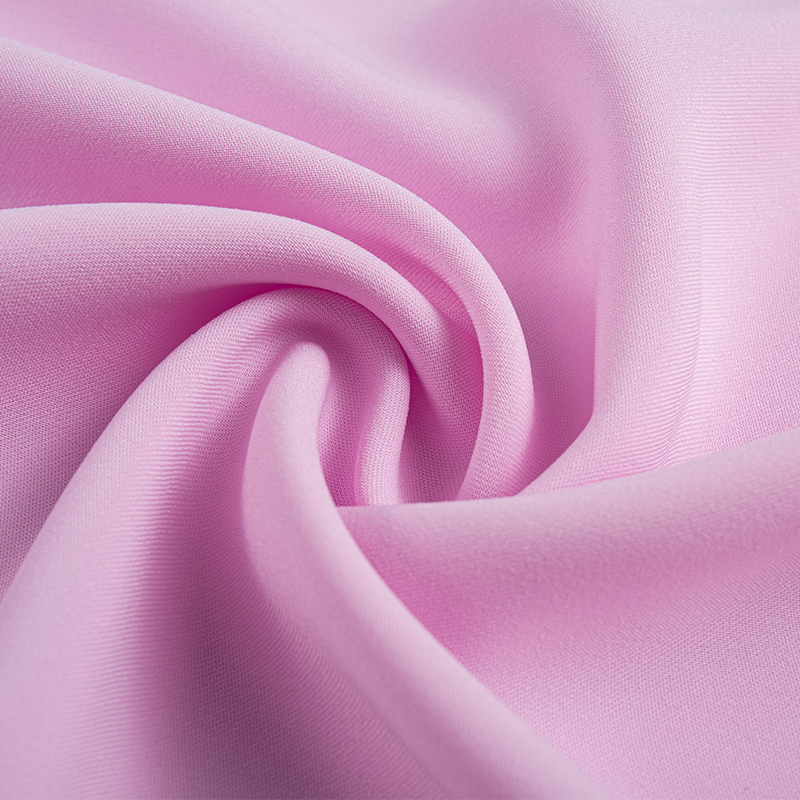
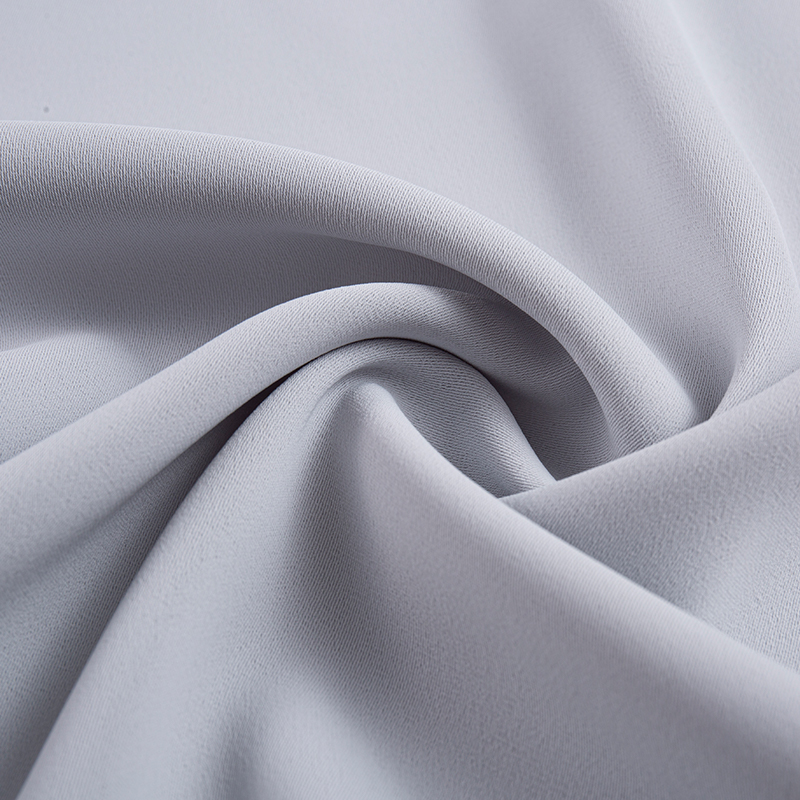
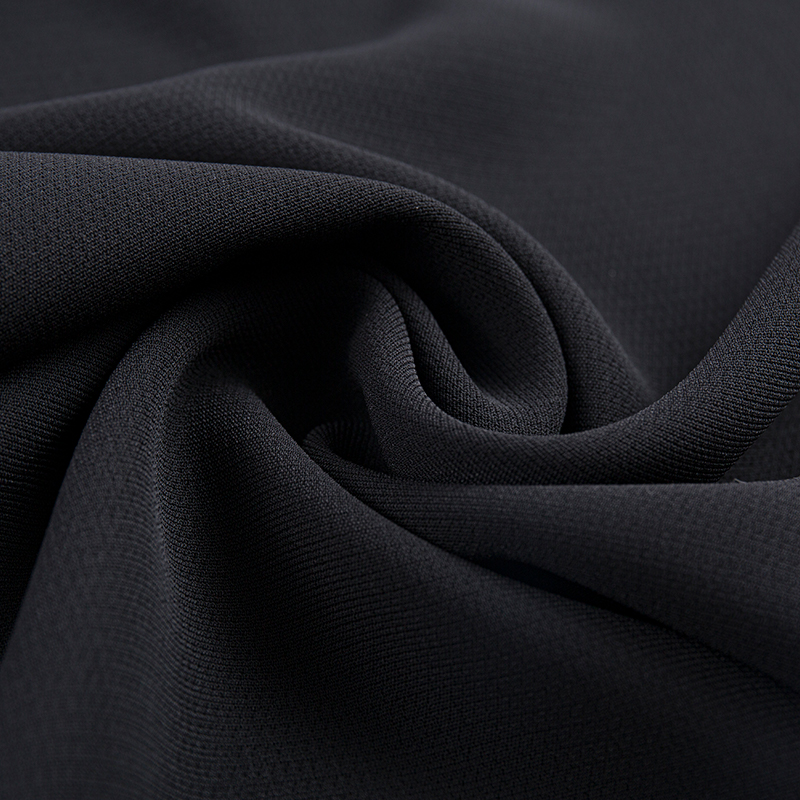
Polyester-cotton blend fabric can be woven in various ways to achieve different textures and finishes, further enhancing its versatility in formal wear. For example, fabrics may be woven in a plain weave, satin weave, or twill weave, each providing a distinct appearance and texture suitable for various types of formal clothing.
The manufacturing process of polyester-cotton blend fabric typically involves blending the fibers at the spinning stage, followed by weaving or knitting them into fabric. This process ensures the properties of both fibers are preserved while creating a fabric that offers superior performance in terms of durability and comfort.
Polyester-cotton blends are often used in the production of business suits, office shirts, blouses, trousers, and other formal wear, thanks to their ability to withstand frequent washing, retain their shape, and offer comfort throughout the day. These attributes have made TC fabric a popular choice in industries that require high-performance clothing that can maintain a professional appearance over long periods.
When it comes to business suits and office wear, the choice of fabric is of paramount importance. Polyester-cotton blend fabric has become a staple in this market due to its ability to deliver on both form and function. For professionals who wear suits and formal attire daily, the durability, comfort, and easy maintenance offered by TC fabric are crucial.
One of the standout features of polyester-cotton blend fabric is its inherent wrinkle resistance. Polyester fibers are naturally resistant to wrinkles, a property that is greatly enhanced when blended with cotton. This makes TC fabric an ideal choice for business suits and office wear, where looking sharp and polished throughout the day is important. Unlike 100% cotton, which tends to wrinkle easily, TC fabric maintains a neat appearance even after long hours of wear.
While polyester provides durability and wrinkle resistance, cotton adds breathability and comfort. This makes polyester-cotton blend fabric ideal for formal wear that needs to perform well in both professional environments and in warmer climates. Cotton’s moisture-wicking properties help keep the wearer dry, while polyester ensures the fabric doesn’t lose its shape or crispness throughout the day.
Polyester-Cotton Blend Fabric vs Other Common Formal Wear Fabrics
| Fabric Type | Polyester-Cotton Blend (TC) | Wool | 100% Cotton |
|---|---|---|---|
| Comfort | High | High | Very High |
| Durability | High | Medium | Low |
| Wrinkle Resistance | Excellent | Poor | Moderate |
| Moisture Absorption | Moderate | Moderate | High |
| Ideal Climate | Year-round | Winter | Summer |
The combination of durability and comfort makes TC fabric an excellent choice for business suits, trousers, and shirts. Professionals in industries where formal dress codes are the norm can rely on polyester-cotton blend fabric to maintain a polished and comfortable appearance throughout their busy workdays.
Durability is one of the most important considerations when choosing fabric for formal wear, particularly for clothing that will be worn frequently and undergo multiple washes. Polyester-cotton blend fabric excels in this area due to the durability of polyester and the comfort of cotton.
Polyester is known for its ability to resist wear and tear, making it highly durable even after repeated washing. This property is complemented by cotton’s natural softness and comfort. Together, these fibers create a fabric that is strong enough to withstand daily use, while still being comfortable to wear for extended periods.
One of the most significant advantages of polyester-cotton blend fabric in formal wear is its easy care and low maintenance. Unlike wool or linen, which require special care and frequent ironing, TC fabric is resistant to wrinkles and holds its shape after washing. This makes it a convenient choice for busy professionals who need their clothing to stay looking fresh with minimal effort.
Care and Maintenance Tips for Polyester-Cotton Blend Fabric
| Care Type | Recommended Method | Notes |
|---|---|---|
| Washing | Machine wash in warm water | Avoid using hot water to preserve the fabric |
| Drying | Tumble dry on low heat | Avoid high heat settings to prevent shrinkage |
| Ironing | Low heat | Use a low-temperature setting to prevent damage |
| Storing | Hang in a cool, dry place | Store in a well-ventilated area to avoid odors |
By following these simple care instructions, polyester-cotton blend fabric will retain its durability and appearance, making it an ideal choice for those who seek low-maintenance, high-performance formal wear.
When it comes to formal wear, the choice of fabric becomes especially important in warmer climates or during the summer months. Professionals who need to maintain a polished look while staying cool and comfortable often turn to polyester-cotton blend (TC) fabric for their office attire. This section explores how TC fabric excels in summer wear by balancing comfort, breathability, and durability.
Polyester-cotton blend fabric is known for its breathability, which is a crucial factor in keeping the wearer comfortable during hot weather. The cotton content in TC fabric allows air to flow through the material, while the polyester helps the fabric maintain its structure. The result is a fabric that allows heat to escape while keeping the body cool.
Furthermore, cotton’s natural moisture-wicking properties ensure that sweat is drawn away from the body, keeping the wearer dry and comfortable. This makes polyester-cotton blend fabric a great option for those who need to stay cool and fresh, even during long office hours in summer.
In addition to breathability, the durability of polyester-cotton blend fabric makes it a great choice for summer wear. The polyester component resists fading and deterioration from sun exposure, making it suitable for both indoor and outdoor use. This is an important factor for professionals who travel for work or participate in outdoor events, as TC fabric can withstand the elements better than many other natural fibers.
Polyester-Cotton Blend Fabric vs Other Summer Formal Wear Fabrics
| Fabric Type | Polyester-Cotton Blend (TC) | 100% Cotton | Linen |
|---|---|---|---|
| Comfort | High | Very High | Moderate |
| Breathability | Moderate | High | Very High |
| Durability | High | Low | Moderate |
| Moisture Wicking | Moderate | High | High |
| Wrinkle Resistance | Excellent | Moderate | Poor |
| Ideal for Summer | Yes | Yes | Yes |
The chart above highlights the key differences between polyester-cotton blend fabric and other common summer fabrics like cotton and linen. Polyester-cotton blend offers a better balance of durability, wrinkle resistance, and comfort compared to 100% cotton or linen, making it ideal for formal wear in warmer climates.
In recent years, there has been an increasing demand for eco-friendly materials in the fashion industry. Polyester-cotton blend fabric (TC) is not only practical and comfortable but also presents a more sustainable option compared to some other traditional fabrics.
Polyester-cotton blend fabric can be considered eco-friendly when produced using recycled polyester or organic cotton. Recycled polyester reduces the need for virgin polyester fibers, minimizing the use of petrochemicals and decreasing carbon emissions associated with fabric production. Organic cotton, on the other hand, is grown without harmful pesticides or fertilizers, making it a more sustainable option compared to conventional cotton farming.
| Fabric Type | Environmental Impact | Key Features |
|---|---|---|
| Polyester-Cotton (Recycled) | Low | Recycled polyester reduces plastic waste |
| Organic Cotton | Low | Grown without pesticides, eco-friendly farming |
| Hemp | Very Low | Biodegradable, requires minimal water |
| Polyester (Virgin) | High | Uses petrochemical-based resources |
One of the main selling points of polyester-cotton blend fabric is its exceptional wrinkle resistance. This characteristic is particularly important in the production of formal wear, where a crisp, neat appearance is essential throughout the day.
The wrinkle-resistant nature of polyester-cotton blend fabric is largely attributed to the polyester fibers. Polyester, being a synthetic fiber, naturally resists creasing and retains its shape much better than natural fibers like cotton or wool. When polyester is blended with cotton, the resulting fabric inherits the best properties of both materials: cotton’s softness and breathability, combined with polyester’s durability and resistance to wrinkles.
For individuals who wear formal clothing daily, the wrinkle-resistant properties of TC fabric are a significant advantage. Professionals can rest assured that their business suits, shirts, and trousers will maintain a sharp, polished appearance without the need for frequent ironing or dry cleaning.
Wrinkle Resistance of Polyester-Cotton Blend vs Other Fabrics
| Fabric Type | Wrinkle Resistance | Ironing Frequency | Ideal Use |
|---|---|---|---|
| Polyester-Cotton (TC) | Excellent | Low | Business Suits, Office Wear |
| 100% Cotton | Moderate | High | Casual Wear, Summer Clothing |
| Wool | Poor | High | Winter Wear |
| Linen | Very Poor | Very High | Summer Wear |
As seen in the table above, polyester-cotton blend fabric is far superior in wrinkle resistance compared to 100% cotton, wool, or linen. This makes it an ideal choice for professionals who need to maintain a crisp appearance with minimal maintenance.
While polyester-cotton blend fabric is relatively low-maintenance compared to other fabrics, proper care is still essential to ensure its longevity.
The best way to care for polyester-cotton blend fabric is to follow a gentle washing routine. Machine wash in warm water and avoid hot water to prevent shrinkage. It’s also recommended to use a mild detergent to preserve the fabric’s integrity and color. Avoid using bleach, as it can damage the fibers.
After washing, polyester-cotton blend fabric should be tumble-dried on a low heat setting. High heat can cause the fibers to weaken and may lead to shrinkage. For ironing, use a low-temperature setting to avoid damaging the fabric. Always check the care label for specific instructions.
Fabric Care Tips for Polyester-Cotton Blend Formal Wear
| Care Type | Recommended Method | Notes |
|---|---|---|
| Washing | Machine wash in warm water | Avoid using hot water to preserve the fabric |
| Drying | Tumble dry on low heat | Avoid high heat settings to prevent shrinkage |
| Ironing | Low heat | Use a low-temperature setting to prevent damage |
| Storing | Hang in a cool, dry place | Store in a well-ventilated area to avoid odors |
Polyester-cotton blend (TC) fabric has proven to be one of the most versatile and practical materials for formal wear. Combining the strength and durability of polyester with the comfort and breathability of cotton, it provides a fabric that performs well across a wide range of conditions. From business suits to office shirts, TC fabric offers benefits that cater to the needs of professionals who require their clothing to be both functional and stylish.
1. What is the ideal use for polyester-cotton blend (TC) fabric?
Polyester-cotton blend fabric is ideal for business suits, office shirts, trousers, and other formal wear. Its combination of durability, comfort, and wrinkle resistance makes it perfect for daily use in professional environments.
2. Is polyester-cotton blend fabric eco-friendly?
Yes, polyester-cotton blend fabric can be eco-friendly when made with recycled polyester and organic cotton. This reduces the environmental impact compared to conventional polyester or cotton fabrics.
3. How do I care for polyester-cotton blend formal wear?
Polyester-cotton blend fabrics are easy to care for. Machine wash in warm water, tumble dry on low heat, and iron on a low temperature. Avoid high heat to preserve the fabric’s integrity.
4. Is polyester-cotton blend fabric suitable for summer wear?
Yes, polyester-cotton blend fabric is breathable and moisture-wicking, making it a great choice for summer formal wear. It helps keep you cool and comfortable while maintaining a polished appearance.
5. Will polyester-cotton blend fabric lose its shape over time?
No, polyester-cotton blend fabric is durable and retains its shape much better than 100% cotton or wool. The polyester component provides structure and prevents shrinking or sagging.