 English
 Français
 عربى
عربىWholesale Acetate Fabric, Imitation Acetate Fabric
In the rapidly evolving garment industry, the choice of material determines the success of a collection. For designers a...
READ MORE
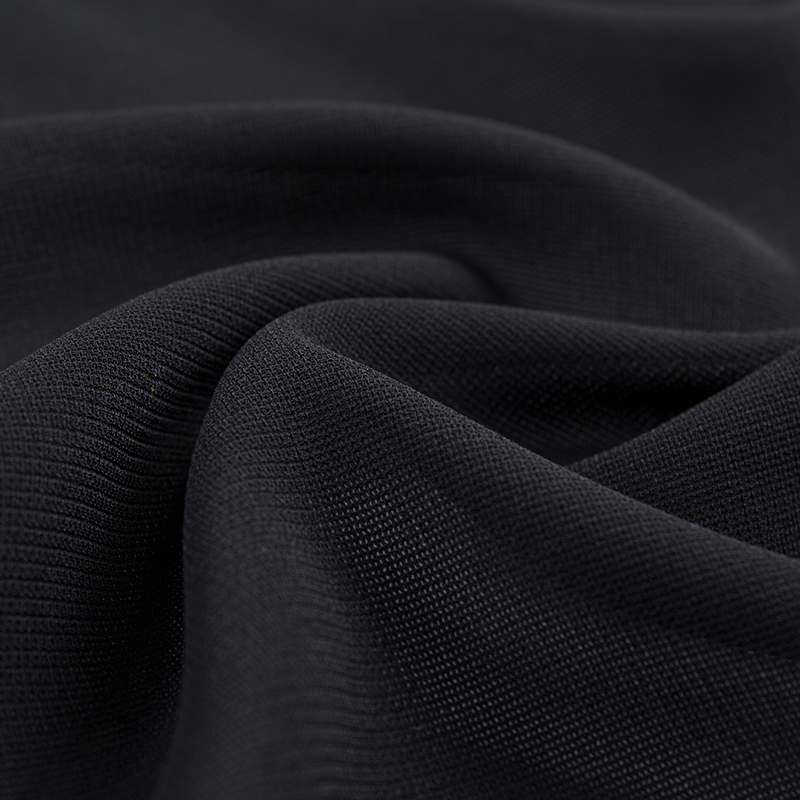
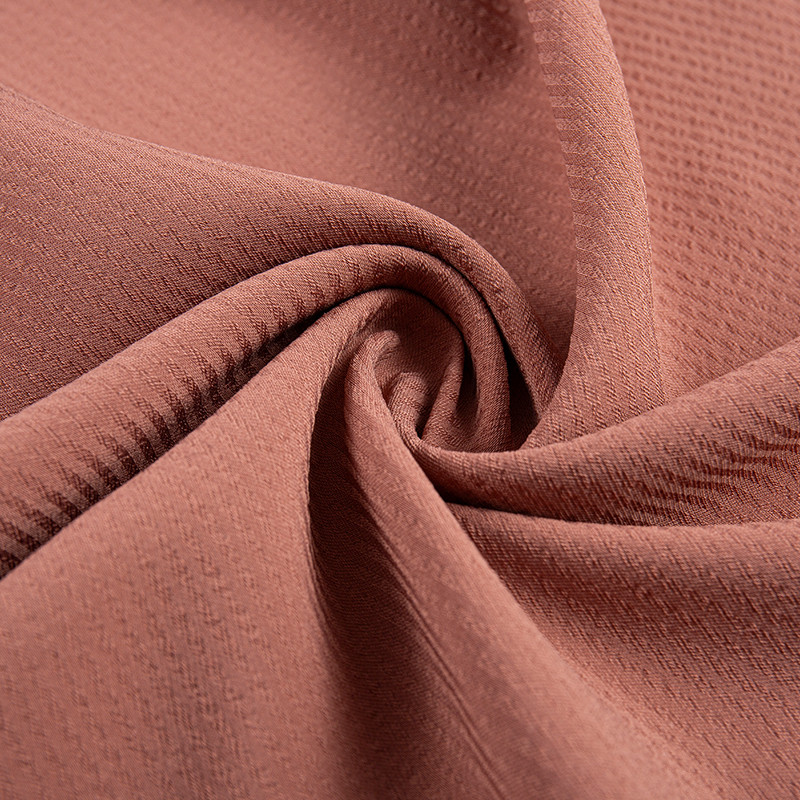
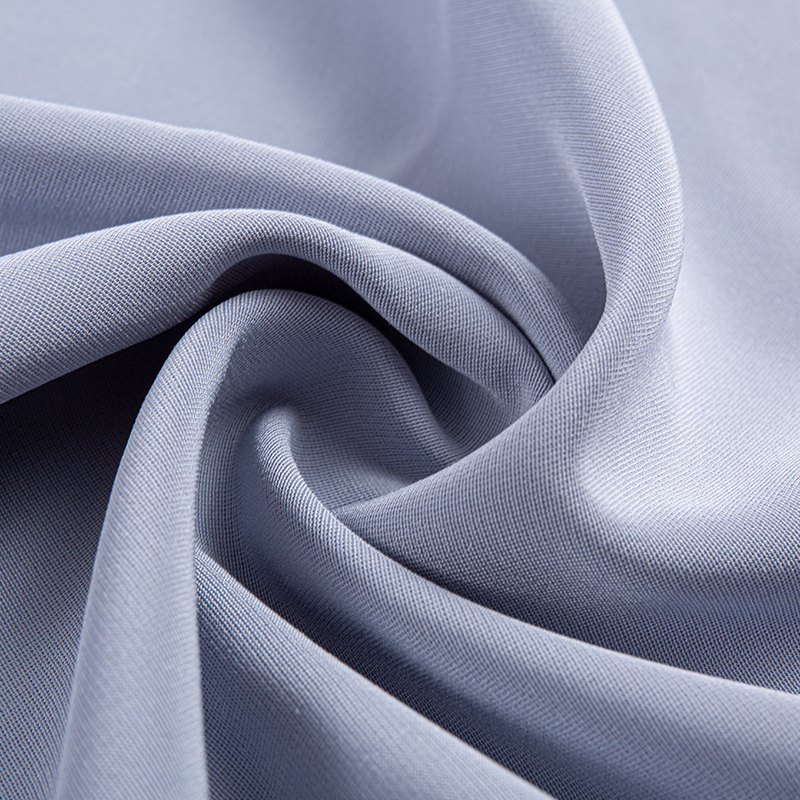
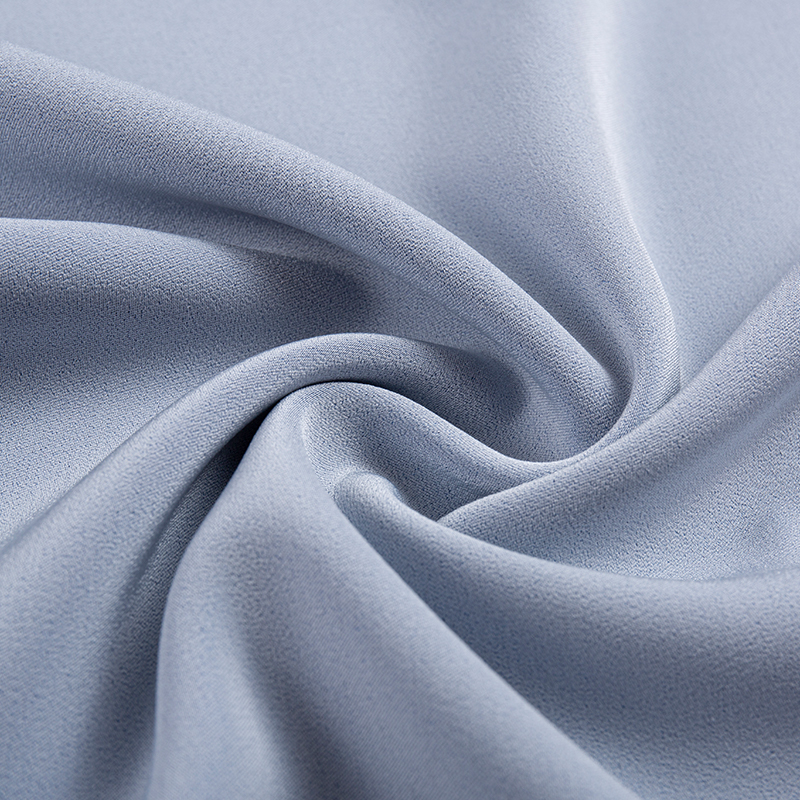
In the rapidly evolving garment industry, the choice of material determines the success of a collection. For designers a...
READ MOREIn the world of formal wear, fabric choice plays a crucial role in the final product’s quality, appearance, and durabili...
READ MORE1. Introduction: Why Choose Natural Fiber Fabric In the context of the rapid development of the modern textile industry,...
READ MORE1. What is Nylon Fabric and Why It Matters In today’s textile world, Nylon Fabric has become an essential material that ...
READ MOREIn today's textile industry, which continuously strives for a balance between performance and aesthetics, a fabric that ...
READ MOREIn the modern textile industry, acetate fabric and imitation acetate fabric have become important material options for apparel, lining, and decorative applications. Although these two fabrics often share a similar visual appearance, their composition, performance, and cost structures differ significantly. Understanding these differences is essential for buyers, designers, and manufacturers who aim to balance aesthetics, functionality, and budget.
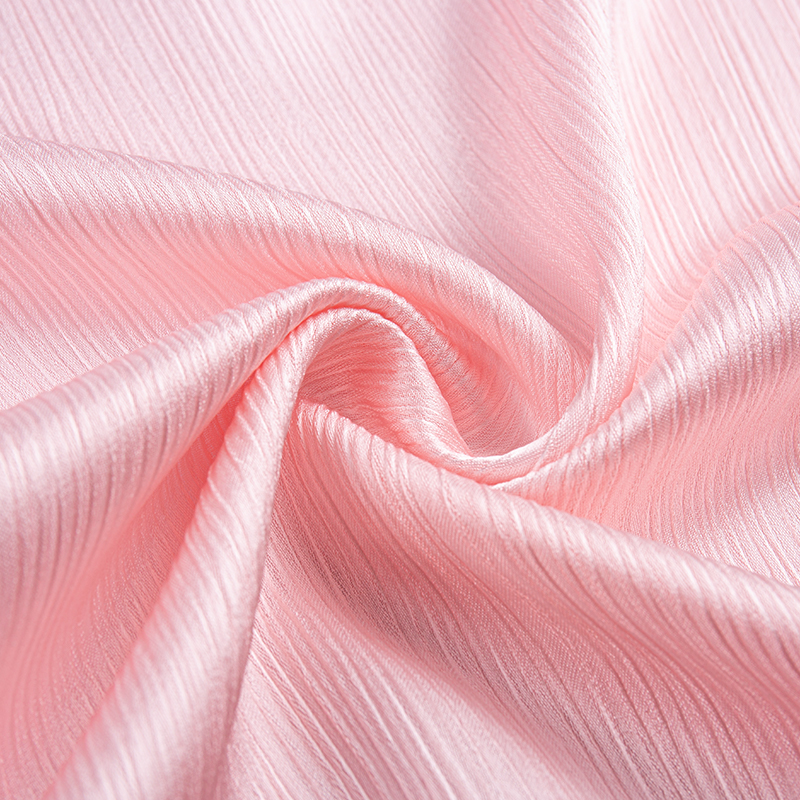
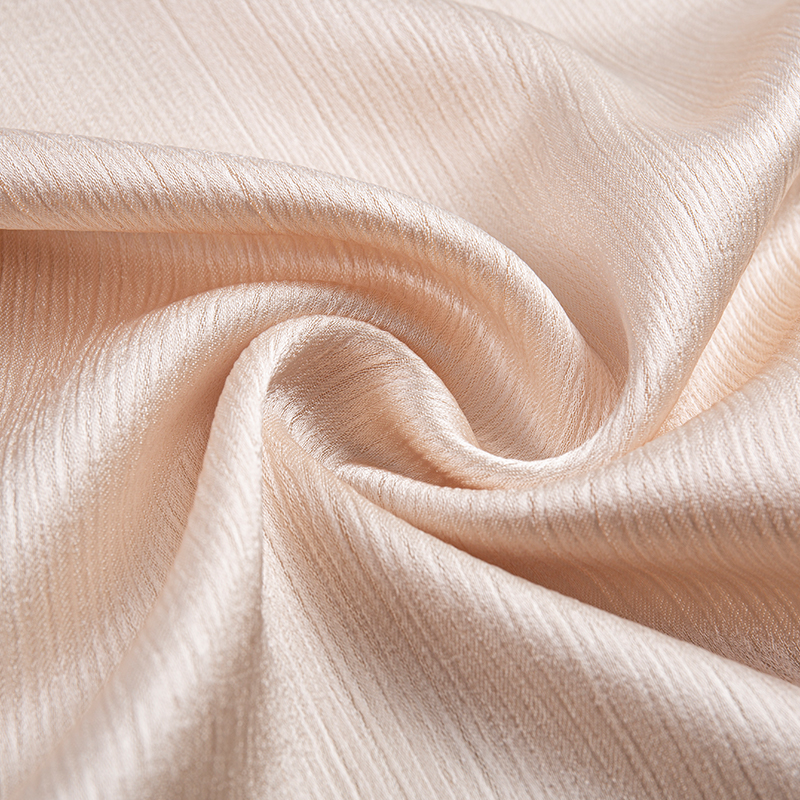
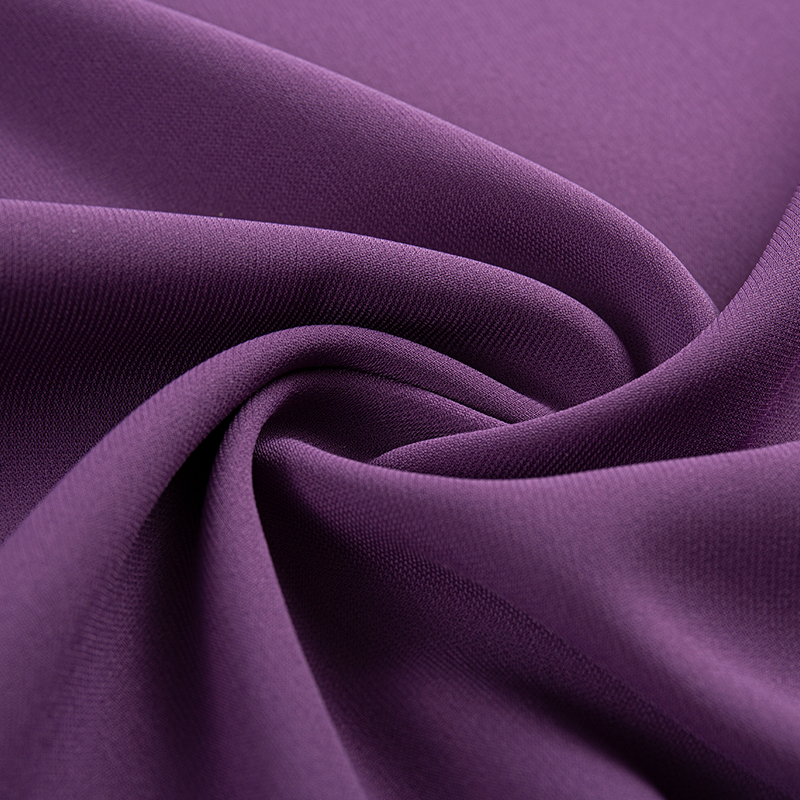
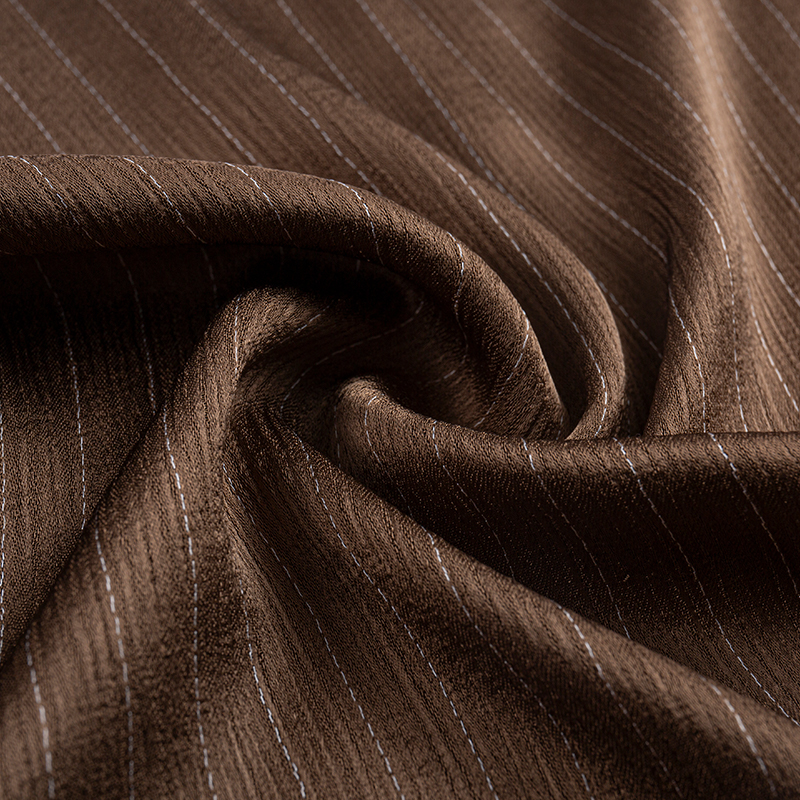
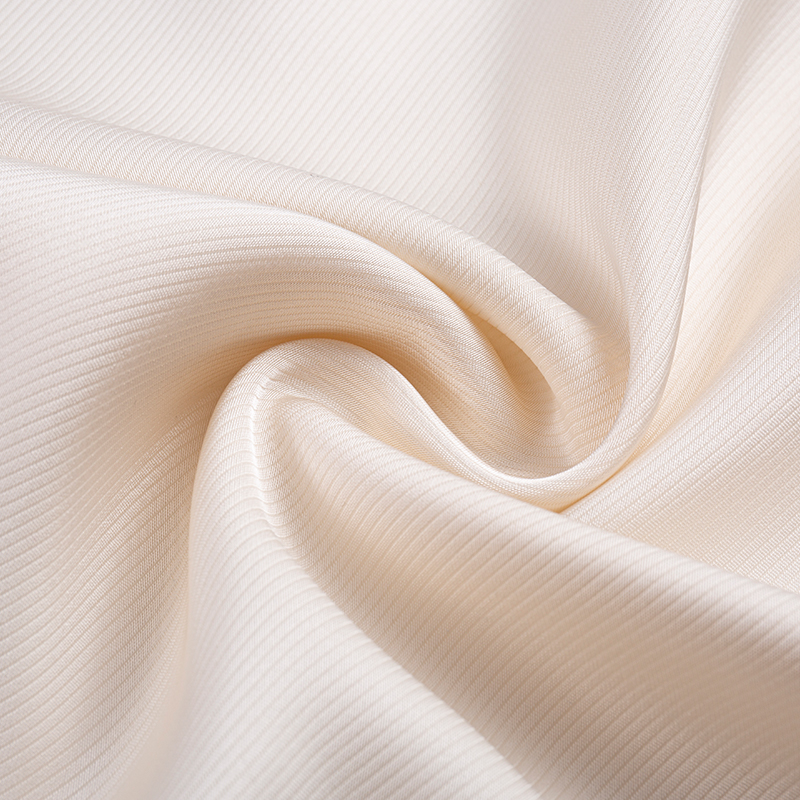
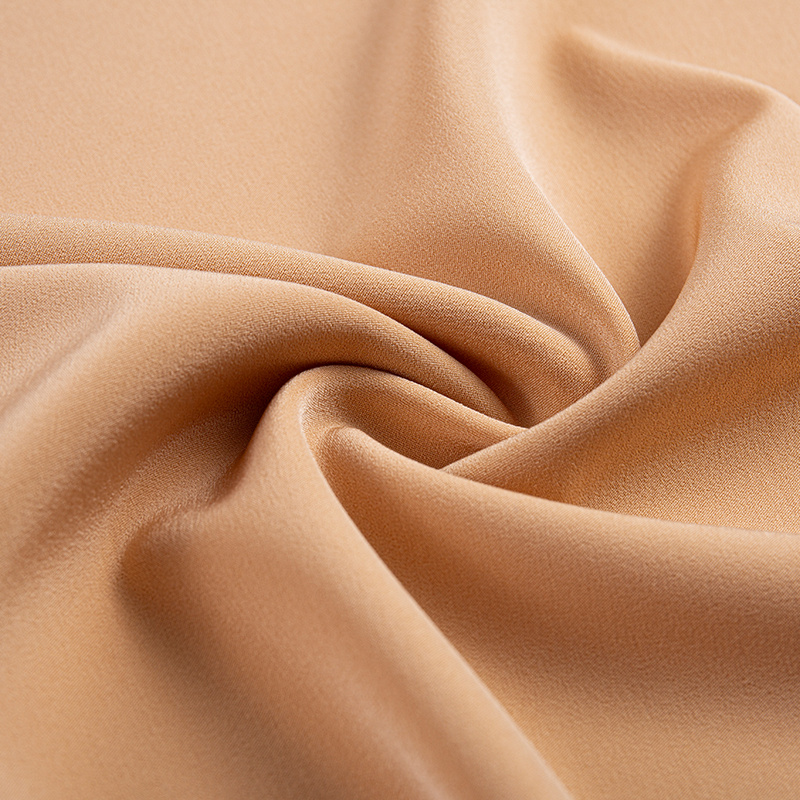
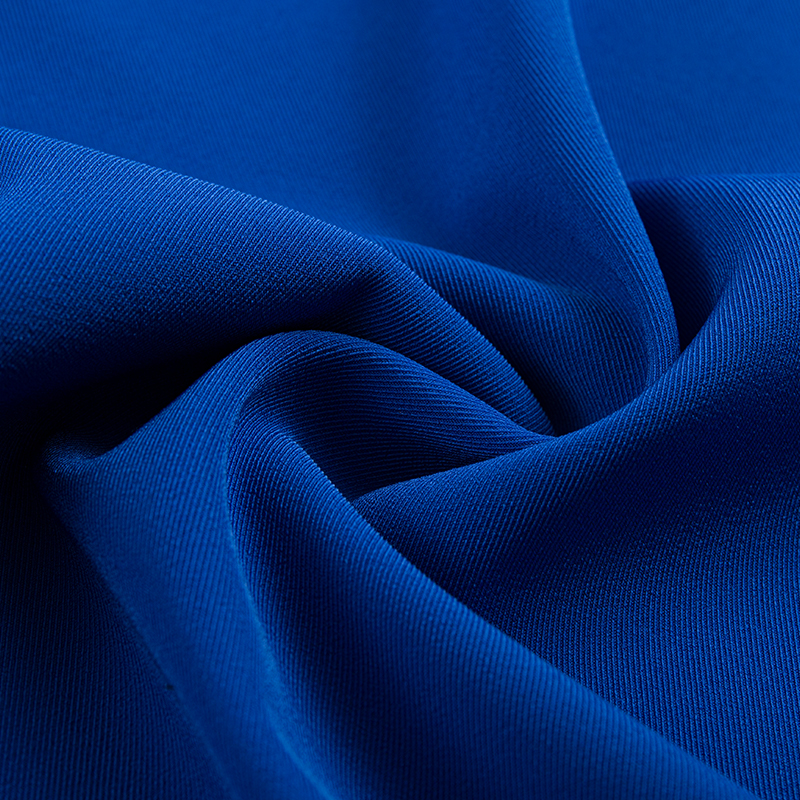
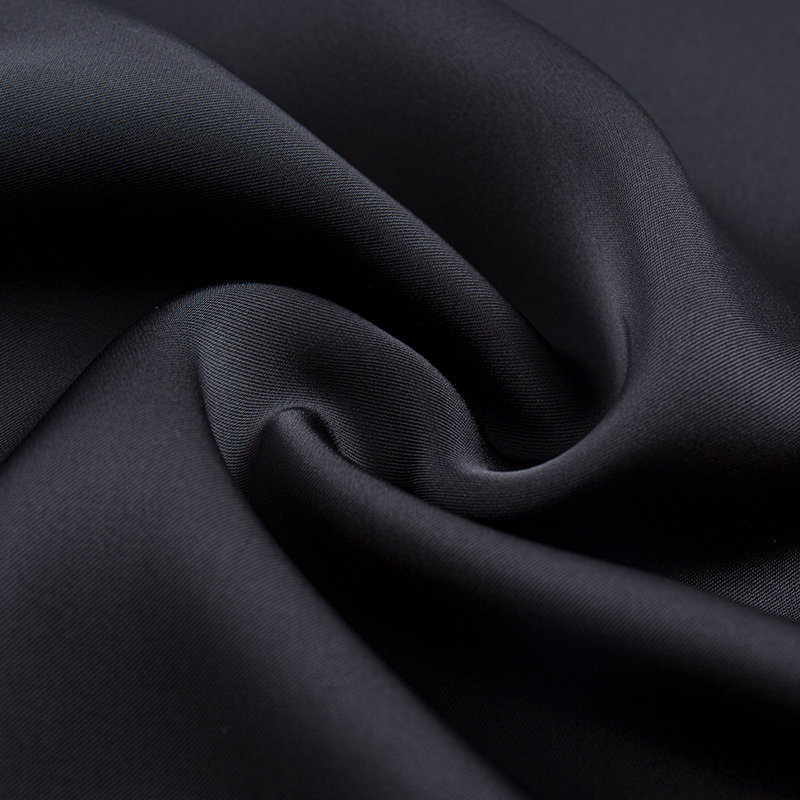
Acetate fabric is traditionally derived from cellulose, offering a silk-like luster and smooth texture. In contrast, imitation acetate fabric is typically produced using synthetic fibers designed to replicate the look and feel of acetate while improving durability and reducing cost. These materials are widely used in garments where drape, gloss, and comfort are key considerations.
From a supply chain perspective, companies with integrated textile capabilities play a crucial role in providing consistent quality and innovation. For example, HUZHOU HONGCHANG TEXTILE TRADING CO., LTD. has developed a comprehensive textile industry chain, enabling collaborative product development with buyers and ensuring a steady supply of diversified fabrics, including synthetic silk alternatives and acetate-like materials.
The fundamental distinction between acetate fabric and imitation acetate fabric lies in their raw material composition and production processes. These differences directly influence the fabric’s physical properties, environmental impact, and cost.
Acetate-based textiles are manufactured from natural cellulose, usually sourced from wood pulp. The cellulose undergoes chemical processing to produce acetate fibers, which are then spun into yarn and woven or knitted into fabric. This process results in a semi-synthetic material that retains some characteristics of natural fibers.
By contrast, synthetic acetate alternatives are typically made from polyester or other engineered fibers. These fibers are modified through finishing techniques to mimic the sheen and softness of acetate. The production process is generally more stable and scalable, allowing for consistent quality across large batches.
Key differences in manufacturing include:
With advanced production facilities, HUZHOU HONGCHANG TEXTILE TRADING CO., LTD. ensures that both traditional and alternative fabric types are developed through coordinated efforts between R&D teams and clients. This approach supports innovation while maintaining stable product quality.
When evaluating acetate fabric against imitation acetate fabric, physical performance plays a critical role. While both materials aim to deliver a luxurious appearance, their functional characteristics vary in practical use.
Acetate fabric is known for its elegant drape, soft hand feel, and natural sheen. It is lightweight and comfortable, making it suitable for formal wear and linings. However, it tends to have lower tensile strength and is more sensitive to heat and abrasion.
On the other hand, imitation acetate fabric offers improved durability and resistance to mechanical stress. It maintains a similar glossy appearance but provides better performance in terms of wear resistance and dimensional stability.
| Property | Acetate Fabric | Imitation Acetate Fabric |
|---|---|---|
| Appearance | Smooth and glossy | Similar gloss with slight variation |
| Drape | Excellent | Good |
| Durability | Moderate | High |
| Heat resistance | Low | Higher |
| Wrinkle resistance | Moderate | Improved |
These differences highlight that while cellulose acetate textiles excel in aesthetic qualities, synthetic acetate-like fabrics are often preferred in applications requiring durability and ease of maintenance.
Cost is a decisive factor for many buyers when choosing between acetate fabric and imitation acetate fabric. The production of acetate involves more complex processing steps and higher raw material costs, which translates into a higher market price.
In contrast, imitation acetate fabric is positioned as a cost-effective alternative. Its synthetic origin allows for large-scale manufacturing with reduced variability, making it suitable for mass-market applications. This affordability does not necessarily compromise visual quality, as modern finishing technologies can closely replicate the appearance of acetate.
From a market perspective:
HUZHOU HONGCHANG TEXTILE TRADING CO., LTD. supports diverse market needs by offering a wide range of fabrics, including acetate imitation, crepe, and other differentiated materials. The company provides new products to customers on a monthly basis, ensuring that evolving market demands are met efficiently.
Both acetate fabric and imitation acetate fabric are widely used across various sectors of the textile industry. Their selection depends on the intended application and performance expectations.
Acetate fabric is commonly used in:
Imitation acetate fabric, due to its enhanced durability and lower cost, is often used in:
The flexibility in application is further enhanced by advanced textile development capabilities. HUZHOU HONGCHANG TEXTILE TRADING CO., LTD. collaborates closely with buyers to develop customized solutions, leveraging its complete production chain and extensive manufacturing capacity. With over 100 looms and supporting facilities, the company can meet a wide range of product specifications.
Sustainability has become an increasingly important factor in textile selection. Acetate fabric, being derived from natural cellulose, is often perceived as more environmentally friendly. However, its production still involves chemical processing, which must be managed responsibly.
In comparison, imitation acetate fabric relies on synthetic fibers, which may raise concerns regarding biodegradability. Nevertheless, advancements in fiber technology and recycling processes are improving the environmental profile of these materials.
Key considerations include:
With strong research and development capabilities, HUZHOU HONGCHANG TEXTILE TRADING CO., LTD. continues to expand its range of sustainable and differentiated fabrics, ensuring stable quality and long-term customer satisfaction in both domestic and international markets.
In conclusion, the comparison between acetate fabric and imitation acetate fabric highlights a balance between aesthetics and functionality. While acetate offers superior drape and a natural silk-like appearance, imitation acetate provides enhanced durability and cost efficiency.
The choice between these materials ultimately depends on application requirements, budget constraints, and sustainability considerations. With the support of experienced textile suppliers such as HUZHOU HONGCHANG TEXTILE TRADING CO., LTD., buyers can access a wide range of fabric solutions tailored to their specific needs.
The main difference lies in raw materials. Acetate fabric is derived from cellulose, while imitation acetate fabric is made from synthetic fibers designed to replicate its appearance.
Yes, imitation acetate fabric is a practical alternative, especially for applications requiring durability and cost control.
Imitation acetate fabric generally offers better durability and resistance to wear compared to acetate fabric.
It can be used, but due to its lower durability, it is more suitable for occasional or formal wear.
Its environmental impact depends on the production process and recycling practices, but improvements are being made in this area.




