 English
 Français
 عربى
عربىIn the rapidly evolving garment industry, the choice of material determines the success of a collection. For designers a...
READ MORE
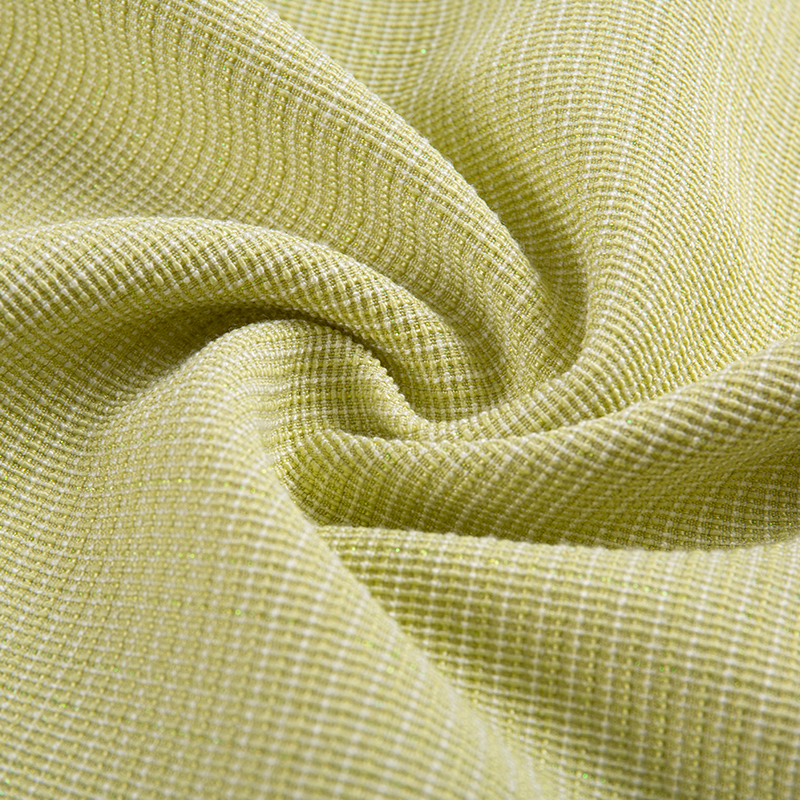
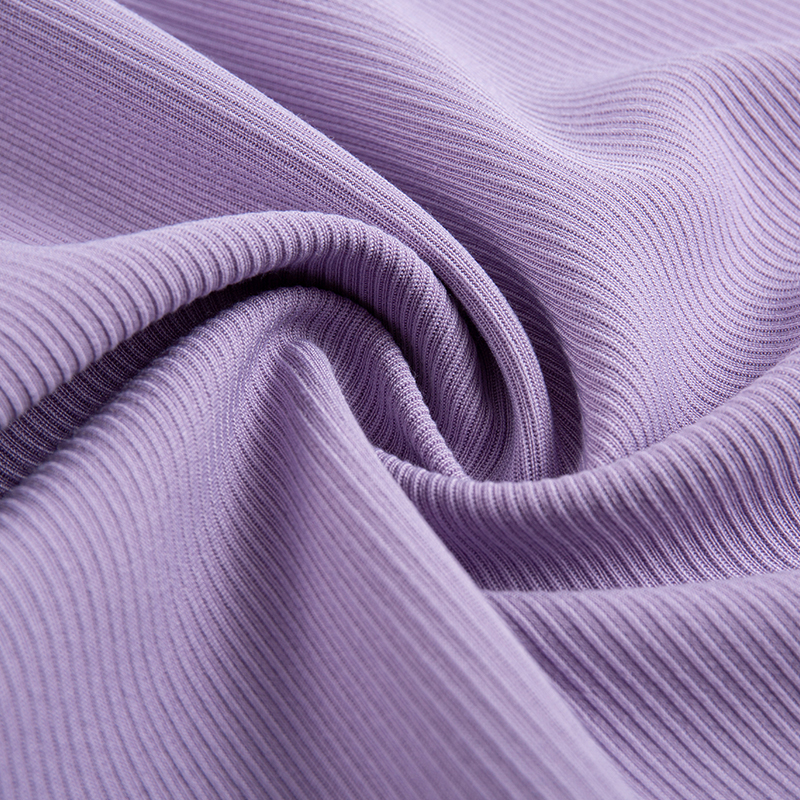
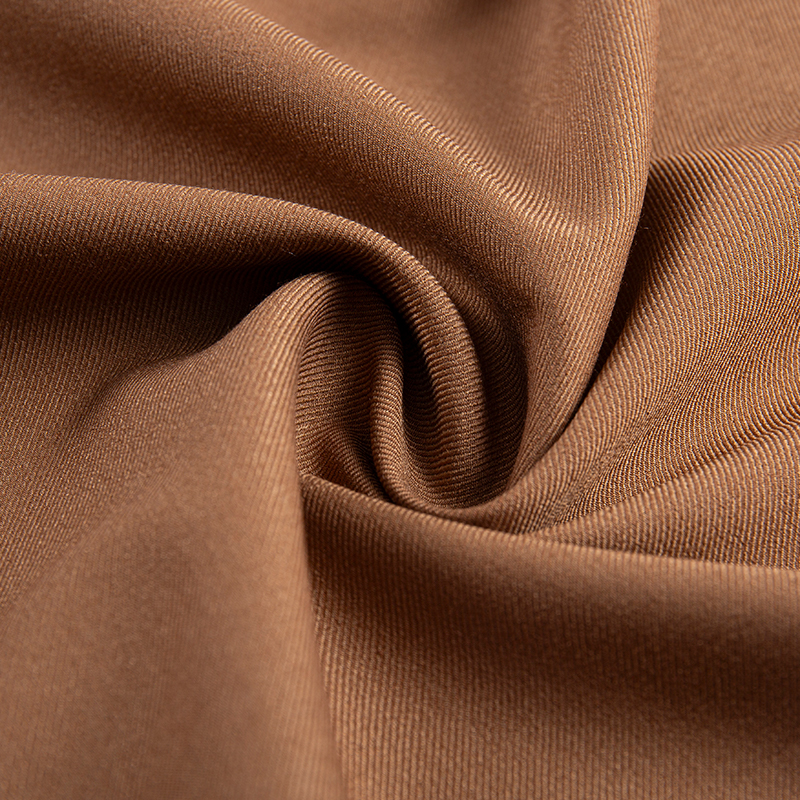
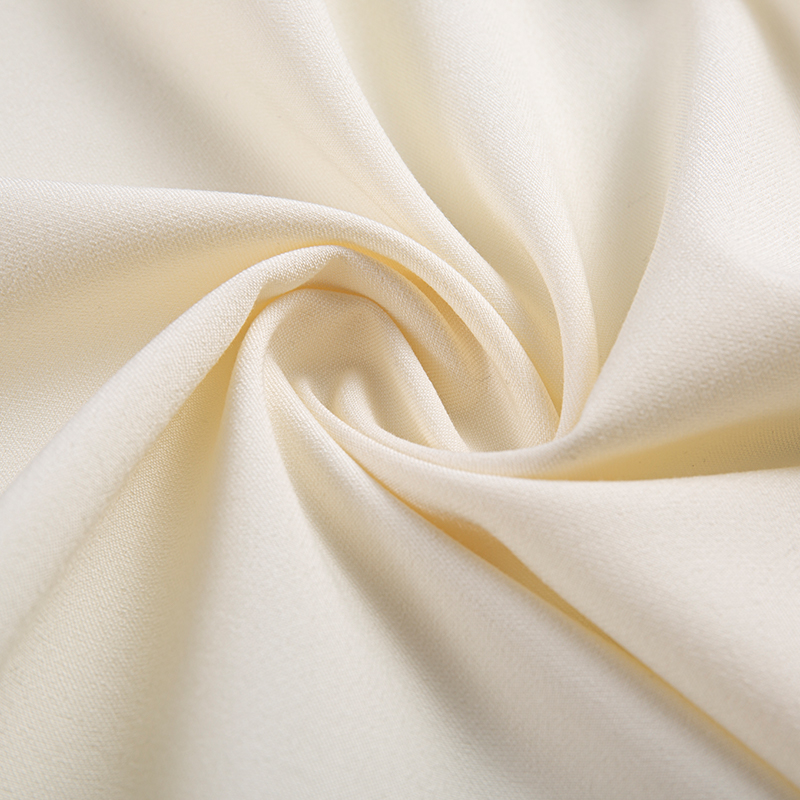
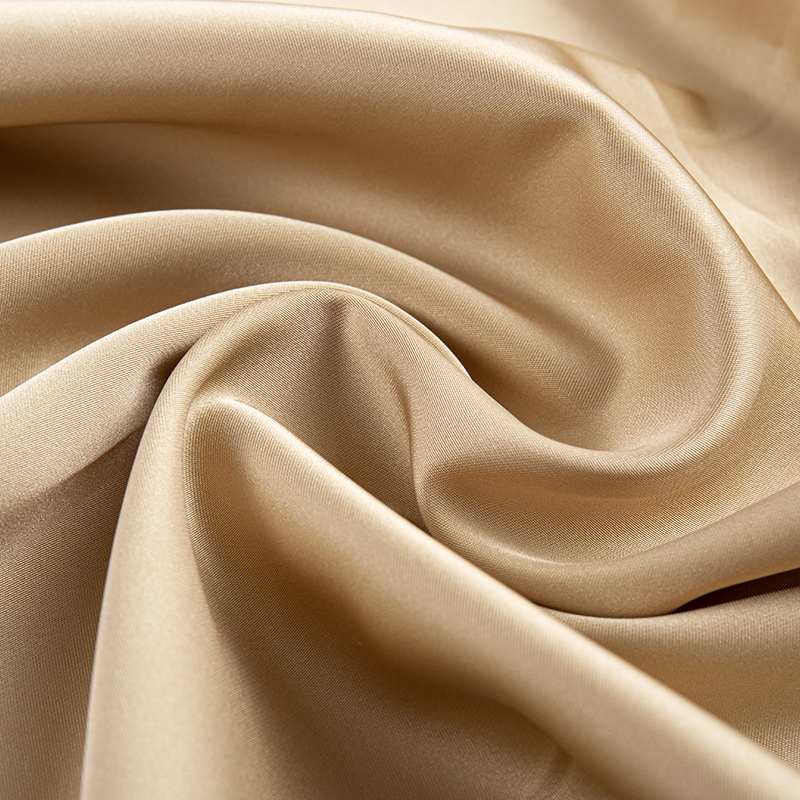
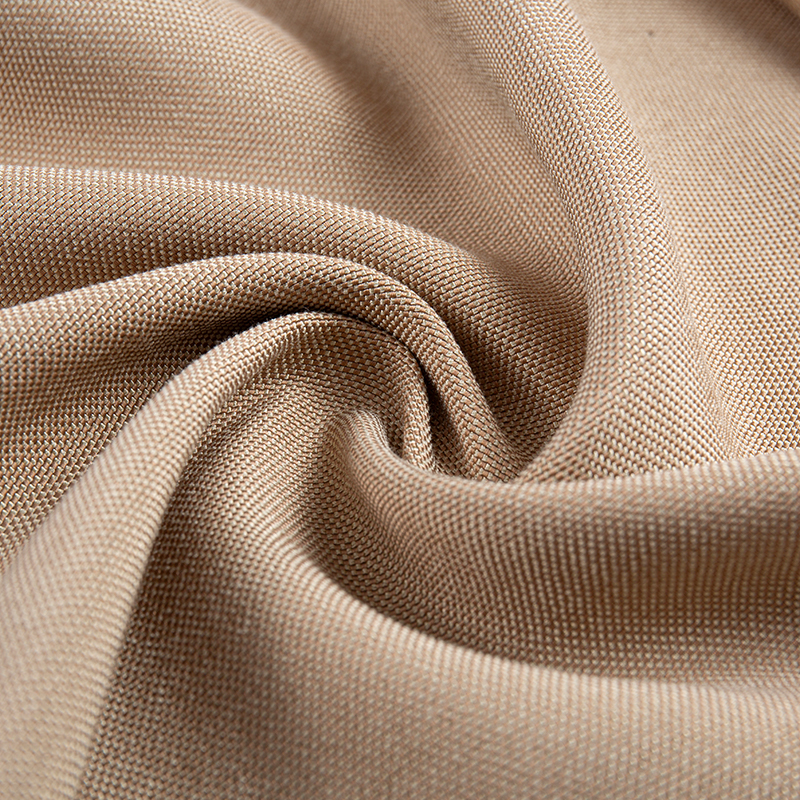
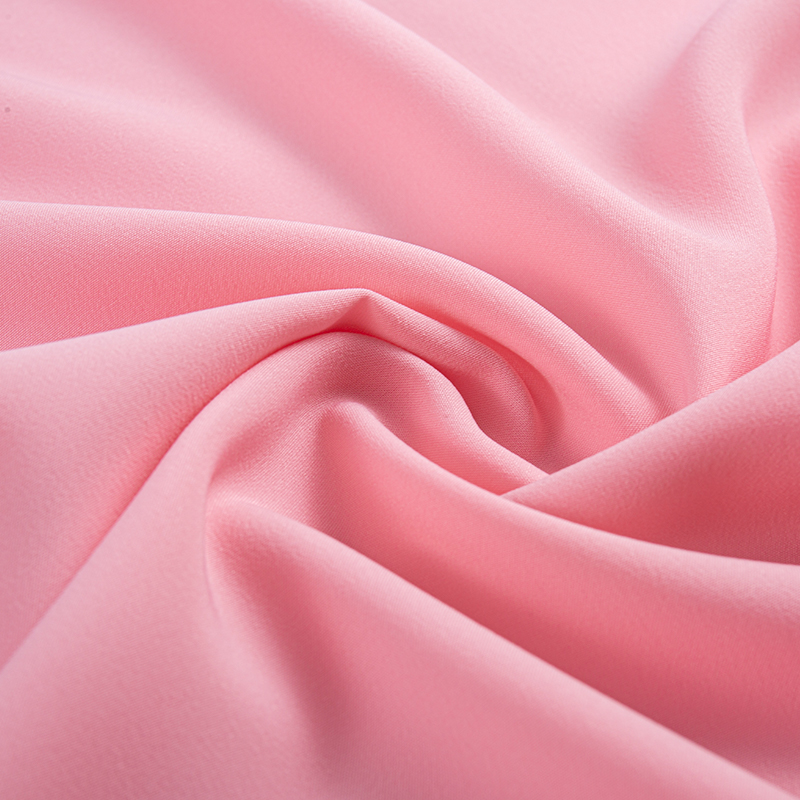
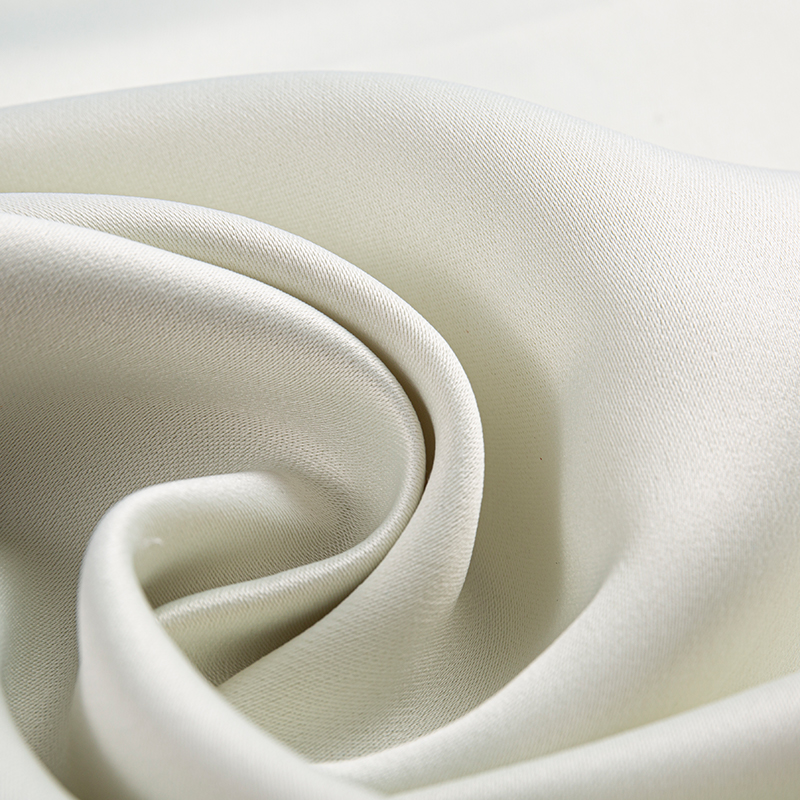
We offer a variety of fashion fabrics for women's apparel, including high-quality options such as polyester-rayon blends, polyester-cotton blends, 100% cotton, and natural fibers. Whether for everyday wear, formal business attire, or designer pieces, each fabric provides excellent breathability, durability, and comfort, suitable for various climates and occasions, helping fashion-forward women create unique looks.
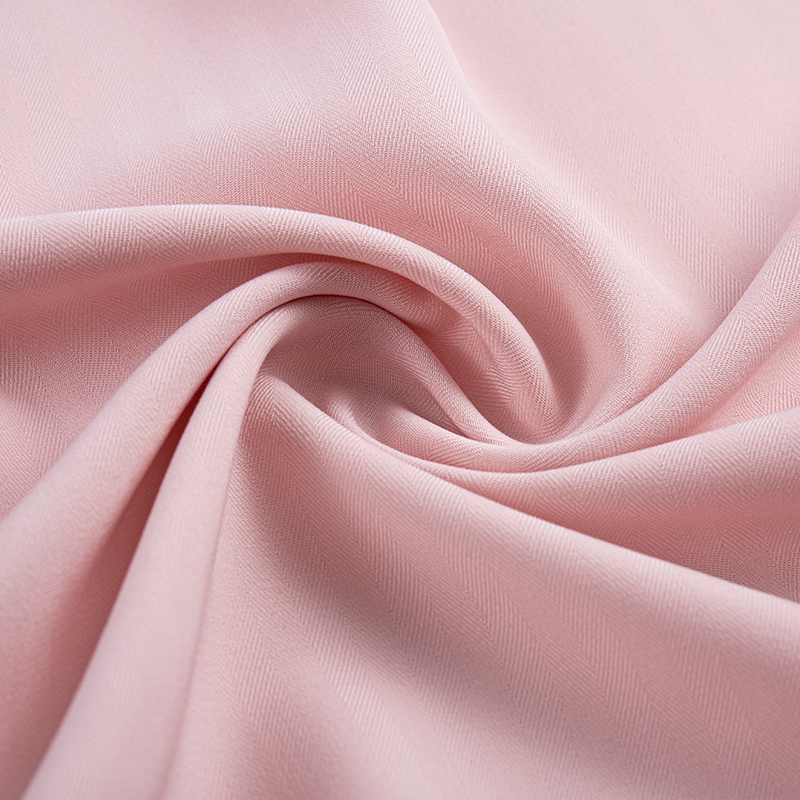
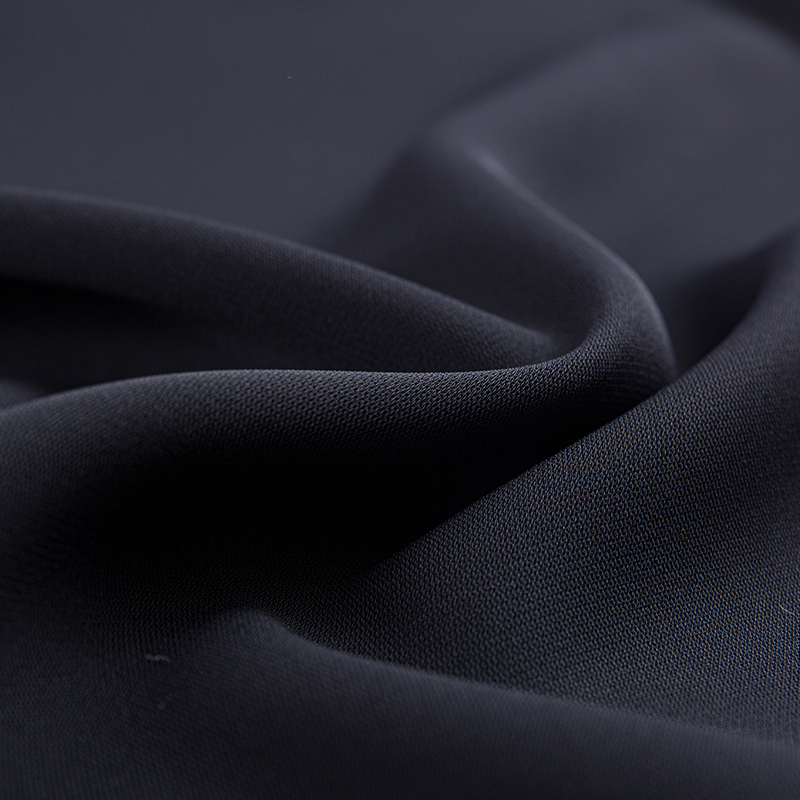
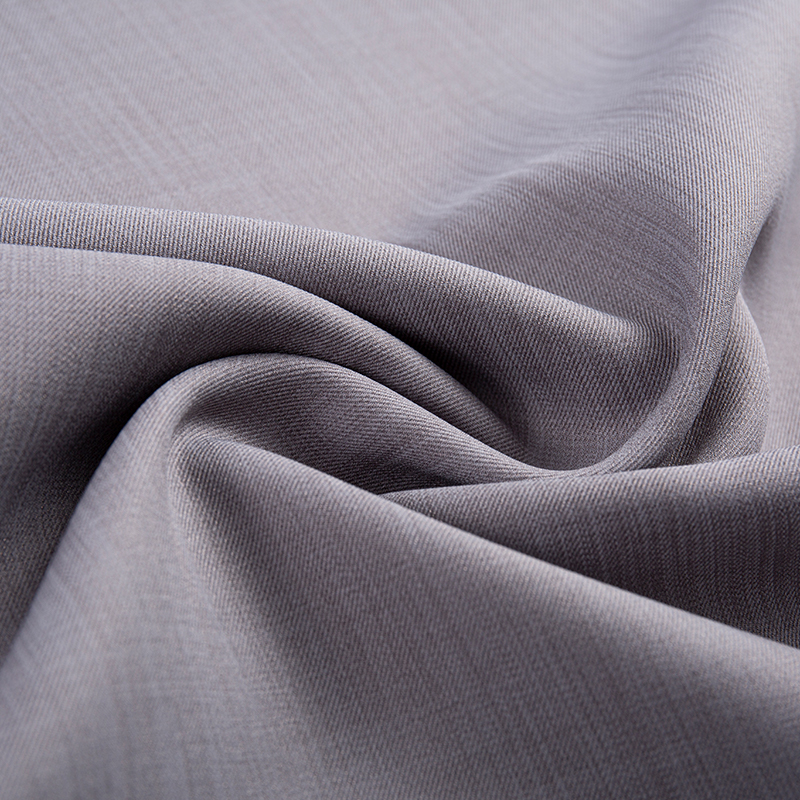
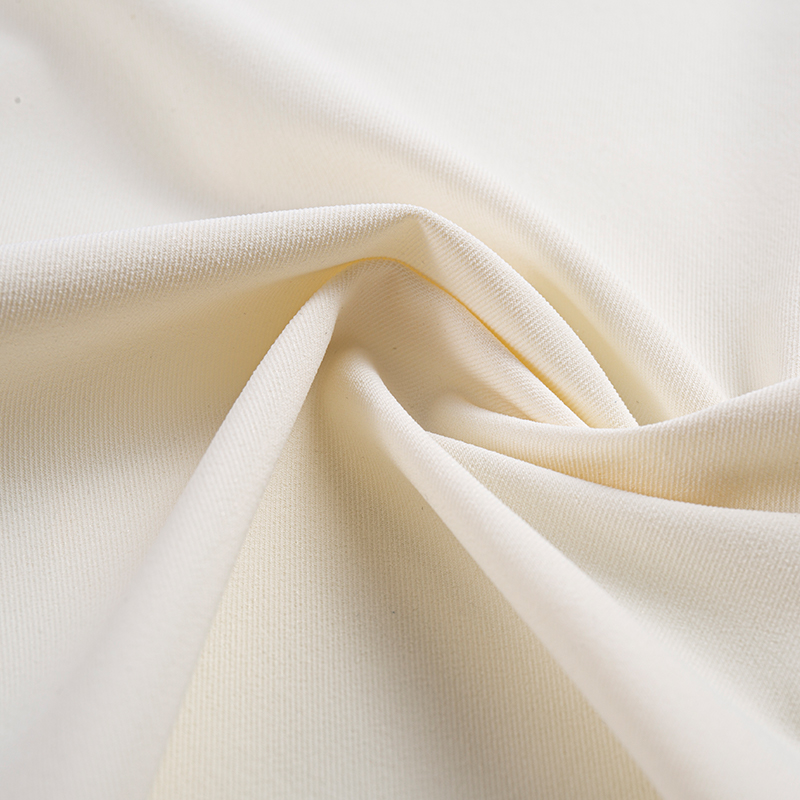
In the rapidly evolving garment industry, the choice of material determines the success of a collection. For designers a...
READ MOREIn the world of formal wear, fabric choice plays a crucial role in the final product’s quality, appearance, and durabili...
READ MORE1. Introduction: Why Choose Natural Fiber Fabric In the context of the rapid development of the modern textile industry,...
READ MORE1. What is Nylon Fabric and Why It Matters In today’s textile world, Nylon Fabric has become an essential material that ...
READ MOREIn today's textile industry, which continuously strives for a balance between performance and aesthetics, a fabric that ...
READ MOREIn the world of women's fashion, the garment is only as good as the material from which it is cut. For designers, buyers, and fashion brands, understanding the nuances of Fashionable Women's Clothing Fabric is not just a technical skill—it is the foundation of creativity, quality, and commercial success. At Huzhou Hongchang Textile Trading Co., Ltd., we operate at the intersection of textile science and aesthetic innovation. Established in May 2014, we have evolved into a comprehensive textile enterprise integrating design, R&D, production, and sales, complete with two subsidiaries. Our complete product chain spans synthetic silk, acetate imitation, crepe, lyocell, modal, cotton, and knitted series. We specialize in collaborating with buyers on product, organization, and style development, delivering new fabrics monthly to meet a wide range of product and value demands. This guide provides an authoritative, deep dive into the fabrics shaping contemporary women's fashion, offering the technical insights required to make informed sourcing decisions.
The selection of fiber is the first and most critical decision in the supply chain. Each fiber brings a unique set of physical properties—tenacity, elongation, moisture regain, and thermal conductivity—that dictate how a fabric will perform in its end use. The most innovative garments often leverage blends to achieve a synergy of these properties, combining the breathability of natural fibers with the durability of synthetics . At Huzhou Hongchang, we specialize in these core categories, ensuring our Fashionable Women's Clothing Fabric meets the highest standards of performance and aesthetic appeal.
To select the right material for a specific silhouette or season, one must evaluate the technical data. The table below summarizes the key performance indicators of the fibers we work with daily at Huzhou Hongchang.
| Fiber Type | Key Property | Typical Applications in Womenswear | Considerations |
| Cotton | High moisture absorption, breathable, soft handle | Blouses, shirts, dresses, casual wear | Prone to wrinkling; our blends with lyocell or modal improve drape and reduce creasing . |
| Lyocell/Modal | Soft, fluid drape, high wet strength, environmentally responsible | Fluid dresses, intimates, blouses, trousers | Requires specific finishing for surface smoothness; we utilize advanced enzyme treatments for a premium hand feel. |
| Acetate Imitation | Lustrous, silk-like appearance, excellent drape, color retention | Linings, blouses, special occasion dresses, synthetic silk alternatives | Offers the luxury aesthetic of silk with enhanced durability and value retention . |
| Crepe | Textured surface, superb drape, wrinkle resistance | Dresses, blouses, trousers, evening wear | The high-twist yarn construction gives it a springy, lively quality perfect for sophisticated silhouettes. |
| Synthetic Silk | Mimics silk luster, durable, colorfast, easy-care | Blouses, scarves, linings, affordable luxury wear | Our synthetic silk range combines the elegance of silk with the practical benefits of synthetic fibers. |
| Polyester & Elastane | High durability, wrinkle resistance, exceptional elasticity | Fitted apparel, knitted series, activewear, comfort wear | Elastane provides recovery (2-20% blend); our knitted series utilize these blends for shape retention . |
Beyond the fiber, the method of construction defines the fabric's behavior. The decision between a woven and a knit structure determines the garment's stability, stretch, and drape . Huzhou Hongchang offers expertise in both, ensuring the perfect base for any design.
Woven fabrics are created by interlacing warp and weft yarns at right angles. They are inherently more stable and less stretchy than knits (unless elastane is added). For Fashionable Women's Clothing Fabric, weaves like crepe (utilizing high-twist yarns to create a pebbly surface) and satin weaves are staples. Our acetate imitation fabrics often leverage satin weaves to mimic the luxurious feel of silk at a more accessible price point, offering designers a cost-effective pathway to high-end looks .
Knitted fabrics are constructed by interlooping yarns, resulting in a structure with natural stretch and recovery. They are essential for modern comfort dressing. Our knitted series are engineered for dimensional stability, ensuring that garments hold their shape while providing the comfort and flexibility that today's consumers demand. We develop technical jerseys that allow for structured knitwear suitable for everything from casual wear to sophisticated, form-fitting silhouettes .
The landscape of Fashionable Women's Clothing Fabric is constantly evolving, driven by cultural shifts and technological innovation. For the upcoming seasons, two macro-trends stand out: the demand for "Earth-first" aesthetics and the rise of "digital-physical" textures . At Huzhou Hongchang, we continuously develop new fabrics to align with these directions, ensuring our clients are always ahead of the curve.
Translating trend concepts into tangible product requires specific fabric constructions. The following table maps current macro-trends to the fabric families from Huzhou Hongchang that bring them to life.
| Trend Direction | Fabric Families | Key Aesthetic/Performance Requirements |
| Tough & Tender | Fluid satins, cotton fabrics with soft finishes, lyocell jersey, textured crepe | Contorted constructions, bruised finishes, dark romanticism with fluidity, tactile distortion. |
| Functional Flair | Technical knitted series, sturdy cotton canvases, stretch wovens with elastane | Customizable details, adjustable fastenings, joyful utility, panel inserts for dynamic silhouettes. |
| Still Power | Double-knit jerseys, crepe-back satins, fine-gauge modal knits | Quiet comfort, understated performance, superfine knits, breathable structures for timeless wardrobes. |
| Future Heritage | Utility denim canvases, stonewashed finishes, melange wovens, synthetic silk with antique effects | Eroded, overprinted finishes, raw nature, protective textures, "future antique" surfaces with a narrative. |
The textile industry is undergoing a material revolution. The focus is shifting from linear consumption to circularity and bio-based alternatives. For the B2B buyer, understanding these innovations is crucial for future-proofing product lines, and Huzhou Hongchang is at the forefront of this shift.
While traditional viscose has environmental concerns, the industry is rapidly adopting closed-loop systems. Our commitment to lyocell and modal fibers aligns with this move. Lyocell production, for example, recycles 99% of solvents and water. Furthermore, we are exploring recycled cellulose blends to support textile-to-textile recycling, moving away from reliance on virgin resources and meeting the growing demand for traceable, sustainable inputs .
Innovation in synthetics is focusing on reducing dependence on virgin fossil fuels. In our synthetic silk and knitted series, we are integrating bio-based nylon and polyester options derived from renewable sources like castor oil. These materials offer the same performance characteristics—durability, stretch, and dimensional stability—with a significantly lower carbon footprint. This allows brands to offer consumers garments that are not only fashionable but also align with a more sustainable future .
Sourcing Fashionable Women's Clothing Fabric is a strategic process that involves balancing creativity with commercial reality. It requires a deep understanding of the supply chain, from fiber origin to finished roll. At Huzhou Hongchang, we partner with our clients to make this process seamless and successful.
Both lyocell and modal are regenerated cellulosic fibers derived from wood pulp, but they differ in their production processes and fiber properties. Modal is known for its exceptionally soft handle and is often used to create a silky, fluid feel in knits and woven fabrics. Lyocell is manufactured using a closed-loop process that is highly sustainable. It offers similar softness but is generally stronger, both dry and wet, making it more durable for laundering . For summer dresses, lyocell is an excellent choice due to its natural breathability, moisture-wicking properties, and fluid drape, which creates movement in silhouettes. It also takes dye well, resulting in vibrant, long-lasting colors perfect for seasonal palettes . At Huzhou Hongchang, our lyocell fabrics are specifically engineered for this application.
Acetate imitation silk is a semi-synthetic fiber that has been a staple in evening wear for decades due to its remarkable ability to mimic the luster and drape of silk at a more accessible price point . Real silk (mulberry silk) is a protein fiber with a naturally irregular, soft texture and superior breathability. Acetate imitation, being cellulose-based, offers a consistent, brilliant sheen and excellent color retention, meaning dyes appear vibrant and resist fading. It also drapes beautifully and is less prone to water spotting than silk. However, silk is generally more durable and has better moisture absorbency. The choice often comes down to budget and care requirements; our high-quality acetate imitation offers a practical, easy-care alternative that doesn't compromise on the luxurious aesthetic required for evening wear .
Crepe refers to a family of fabrics characterized by a crinkled, pebbly, or grainy surface texture, typically achieved through the use of high-twist yarns . The primary benefits of crepe are its superb drape and its resistance to wrinkling. The twisted yarns give the fabric a lively, springy quality that allows it to fall beautifully over the body's curves, making it ideal for dresses, blouses, and trousers that require fluidity without clinging. It is a staple for garments that transition from day to evening, offering a sophisticated texture that adds visual interest to solid colors and prints. Crepe-back satin, for instance, combines the lustrous face of a satin with the textured, matte back of a crepe, offering two aesthetics in one fabric, a specialty in our woven collections .
Elastane is blended into fabrics to impart exceptional elasticity and, most importantly, recovery . While a fabric might stretch naturally due to its weave or knit, elastane ensures it snaps back to its original shape. This recovery is critical for garment fit and longevity, preventing bagging at the knees or elbows. In Fashionable Women's Clothing Fabric, adding just 2% to 5% elastane to cotton, lyocell, or synthetic silk transforms a static fabric into a performance textile. It enables the creation of "second-skin" silhouettes in fitted dresses and enhances comfort in structured pieces like tailored blazers by allowing a slight give across the shoulders . Our knitted series and stretch wovens are designed with precisely this balance of freedom and form in mind.
Verifying quality and sustainability requires a multi-step approach. First, request physical samples (hangers) from us to assess hand feel, drape, and weight against your specifications . Second, demand technical spec sheets that include fabric weight (GSM), width (both total and cuttable), and shrinkage data. For sustainability claims, look for third-party certifications. For cellulosic fibers like lyocell and modal, certifications like FSC (Forest Stewardship Council) for wood sourcing are key indicators . A reputable supplier like Huzhou Hongchang Textile Trading Co., Ltd. will be transparent about their supply chain and able to provide documentation for the fibers they use. We ensure that claims of "organic," "recycled," or "bio-based" are substantiated, giving you and your customers complete confidence in the product .




