English
 Français
 عربى
عربى Home / News / Industry News / Why TR Double-Layer Fabric Outperforms Traditional Textiles in Outdoor and Sportswear Applications
Industry News

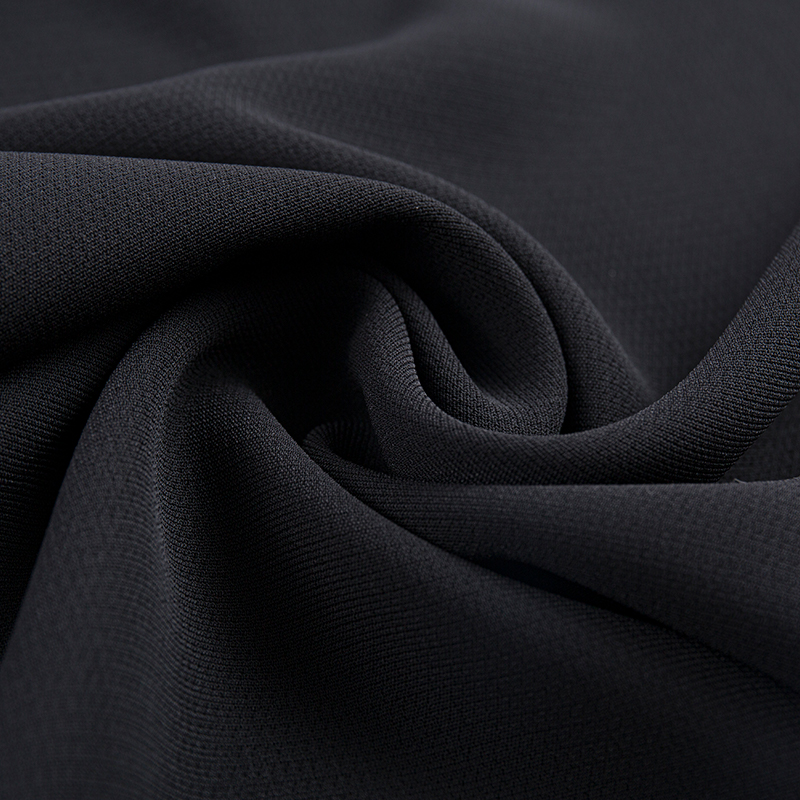
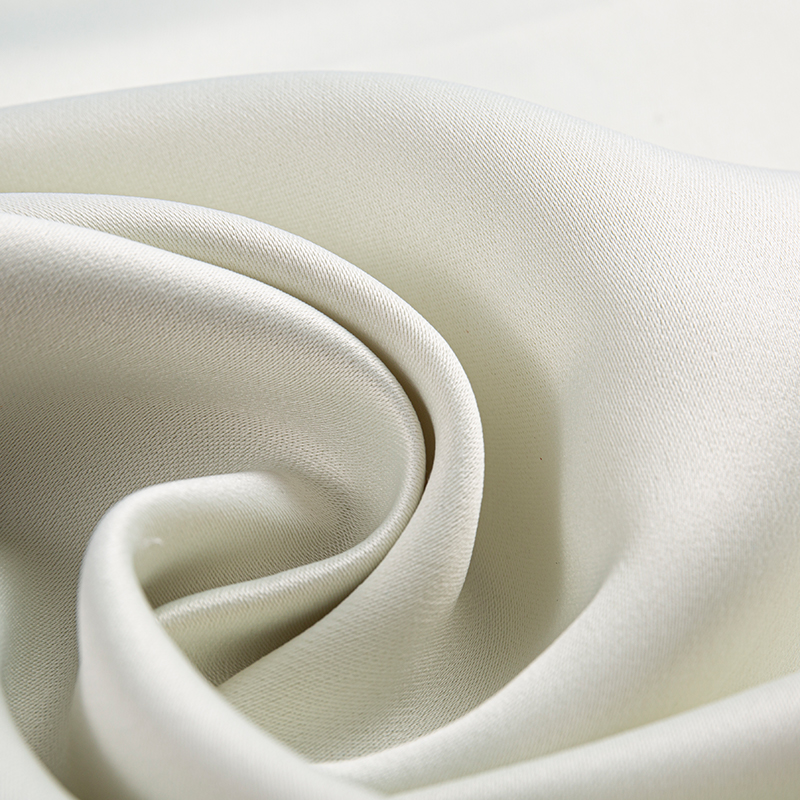
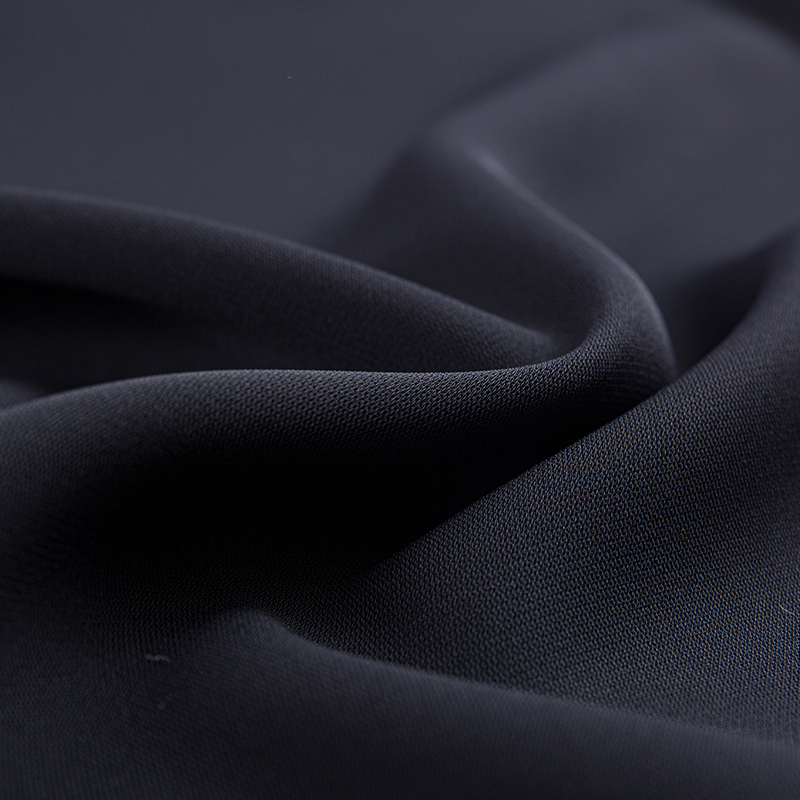
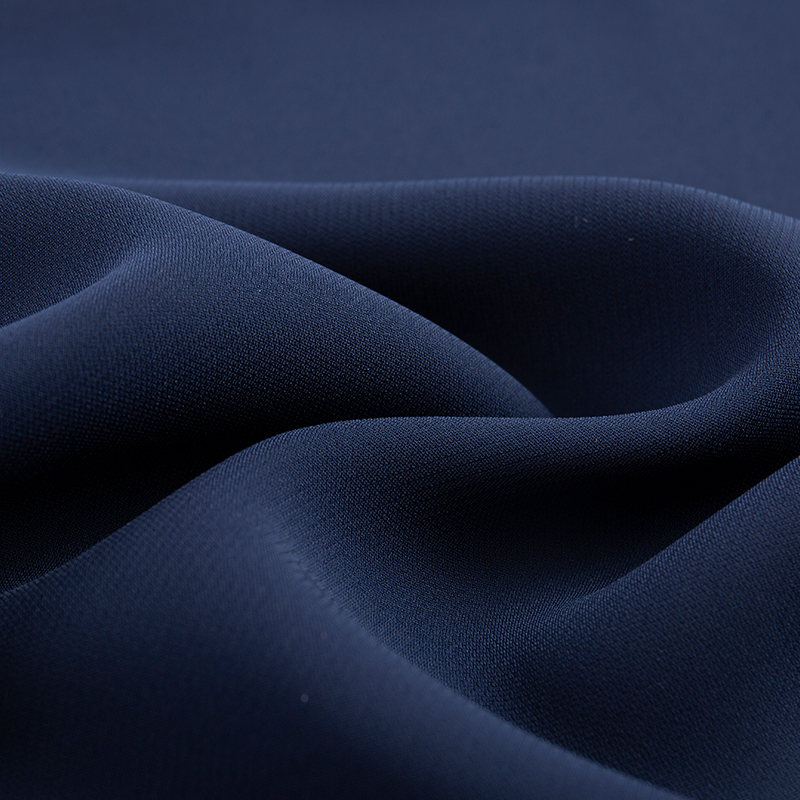
The evolution of performance textiles has introduced fabrics that actively contribute to athlete comfort and endurance. TR double-layer fabric represents a significant advancement in this category.
Unlike traditional single-layer textiles, this engineered fabric utilizes a dual-structure approach. This allows for effective moisture management, enhanced durability, and superior comfort during physical activity and prolonged outdoor exposure.
The effectiveness of TR double-layer fabric lies in its construction. The inner layer, composed of fine-denier polyester, is hydrophobic . It resists moisture absorption, instead pushing sweat away from the skin through capillary action. The outer rayon-blend layer is hydrophilic . It actively pulls moisture from the inner layer and spreads it across a larger surface area for rapid evaporation .
This is often achieved through an innovative knitting pattern where a binding yarn connects both layers, creating a small air gap . This gap functions as a thermal barrier, regulating temperature and preventing the chilling effect of evaporating sweat directly on the skin .
Airflow Improvement
Increase in Thermal Conductivity
Rapid Droplet Transport Time
| Property | TR Double-Layer Fabric | Standard Single-Layer Polyester | Standard Cotton |
|---|---|---|---|
| Moisture Management | Excellent (Unidirectional) | Moderate | Poor (Absorbs & retains) |
| Thermal Insulation | High (Air gap barrier) | Low | Moderate |
| Durability | High (50+ washes) | Moderate | Moderate |
| Skin Comfort | Dry & Non-irritating | Can feel sticky | Wet & heavy |
The application of TR double-layer fabric in sportswear is supported by research. In one study, tennis players subjectively rated bi-layer knitted fabrics (using hydrophobic inner layers and absorbent outer layers) as significantly more comfortable during intense activity . The rapid transport of sweat is critical for maintaining performance and well-being.
This fabric's advantage is most apparent in endurance scenarios like:
Beyond comfort, the longevity of the fabric is a key feature. The combination of polyester and rayon in a double-knit structure provides resistance to pilling and deformation. Advanced treatments applied to the outer wool or wool-blend layer can ensure the fabric maintains its appearance and breathability even after 30 to 50 washes . In comparison to synthetic-only fabrics, this offers a better balance of natural fiber comfort and technical durability.
TR stands for a blend of polyester (Terylene) and rayon (also known as viscose). The double-layer refers to its dual-structure construction: a hydrophobic inner layer and a hydrophilic outer layer .
Yes. The fabric's unidirectional moisture transport keeps the skin dry and comfortable, while the thermal barrier prevents sudden chilling from sweat evaporation. This makes it effective in both hot and variable temperature environments .
Standard double-knit is often a single-layer structure with a different knitting method. TR double-layer fabric is a two-layer construction with a specific hydrophobic/hydrophilic fiber split, designed to actively move moisture away from the body, not just provide thickness .
Extremely durable. The polyester component provides resistance to wear and tear, and garments made from this fabric have been shown to withstand over 50 industrial washes with minimal performance degradation .