English
 Français
 عربى
عربىIndustry News
The Definitive Answer: Why Natural Fiber Fabrics Are the Superior Choice
For beginners navigating the world of textiles, the choice is clear: prioritize natural fiber fabrics. These materials, derived directly from plant and animal sources, offer unmatched breathability, comfort, and biodegradability, making them a superior choice for both personal well-being and environmental responsibility. While synthetics dominate the market due to low cost, natural fibers like cotton, linen, and the innovative regenerated fibers such as Tencel and acetate provide tangible performance advantages that justify their selection. They are easier to sew, press, and wear, providing a foundation for high-quality, durable goods.
Key takeaway: Natural fiber fabrics are not just a trend; they are a foundational investment in quality, comfort, and ecological mindfulness. For any beginner, starting with these materials ensures a more rewarding and sustainable creative journey.
Defining Natural Fiber Fabrics
Natural fiber fabrics are textiles made from materials sourced directly from nature without extensive chemical synthesis. They fall into three primary categories:
- Plant-based fibers – cotton, linen, hemp, jute, and ramie.
- Animal-based fibers – wool, silk, cashmere, and alpaca.
- Regenerated cellulosic fibers – derived from wood pulp or plant cellulose, including Tencel (lyocell), acetate, and modal. These are often grouped with natural fabrics because they originate from renewable natural sources and maintain a natural hand feel.
Acetate and Tencel in focus: Although they undergo more processing than raw cotton, regenerated fibers like Tencel and acetate retain the inherent breathability and moisture absorption of natural cellulose, while offering enhanced drape, sheen, and softness. They are considered sustainable alternatives when sourced responsibly.
Why Natural Fibers Outperform Synthetics: Data-Backed Advantages
When evaluating fabric choices, empirical data supports natural fibers for three critical attributes: moisture management, thermal regulation, and durability over time.
- Moisture absorption: Cotton can absorb up to 25 percent of its weight in moisture without feeling damp, whereas polyester retains less than 1 percent.
- Breathability: Natural fibers have a porous structure that allows air circulation, reducing skin irritation and overheating. Linen, for example, offers twice the airflow of standard polyester.
- Longevity: High-quality wool and linen garments can last decades with proper care, whereas synthetic fibers often degrade and pill within a few years.
These performance metrics directly translate to better wearing comfort, less frequent washing, and reduced microplastic shedding — making natural fibers a pragmatic choice for both personal use and the planet.
For designers, makers, and procurement specialists, understanding how to evaluate natural fiber fabric manufacturers is essential. The market offers a wide spectrum of quality, from commodity-grade to premium certified textiles. When selecting a supplier, prioritize:
- Transparency of origin – clear information about fiber cultivation and processing.
- Certifications – look for OEKO-TEX, GOTS, or FSC labels that validate sustainability claims.
- Sample testing – request swatches to assess drape, shrinkage, and colorfastness before bulk orders.
Many manufacturers now specialize in innovative natural blends, such as cotton-Tencel or linen-acetate mixes, which combine the best attributes of each fiber. These hybrids are especially popular in apparel, home textiles, and technical linings.
Deep Dive: Acetate, Tencel, and Other Regenerated Cellulosics
Acetate Fabric
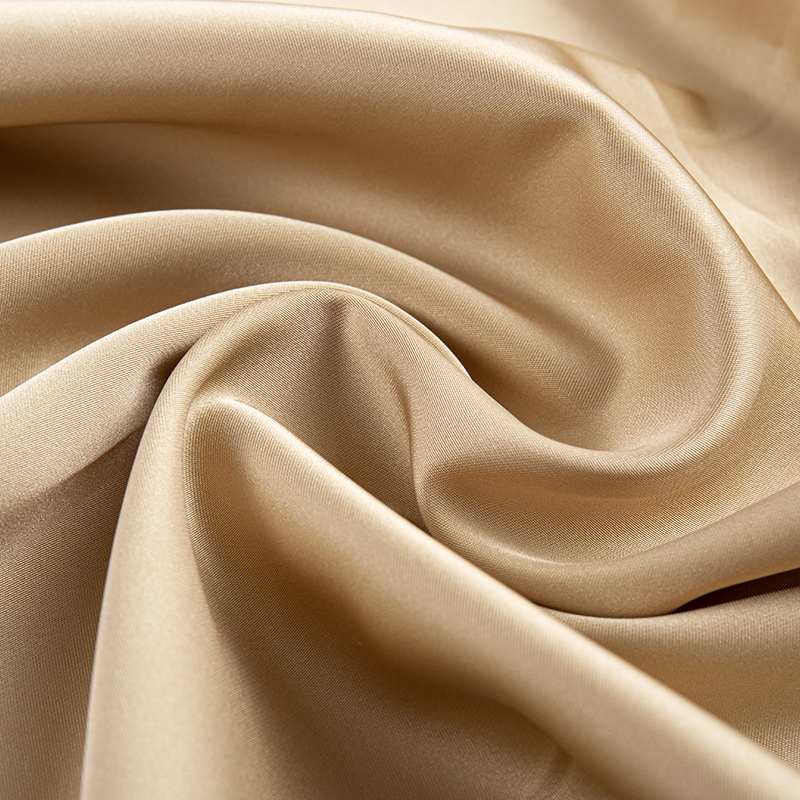
Acetate is a semi-synthetic fiber made from cellulose (usually wood pulp) through acetylation. It offers a luxurious silk-like sheen, excellent drape, and low static cling. It is frequently used in linings, evening wear, and ribbons. However, it has lower tensile strength when wet and may require dry cleaning. For beginners, acetate is a compelling option when a high-end aesthetic is desired without using animal-based silk.
Tencel (Lyocell)
Tencel is produced via a closed-loop process that recycles almost all solvents, making it one of the most environmentally responsible fibers. It is exceptionally soft, highly absorbent, and naturally wrinkle-resistant. Data shows that Tencel uses 50 percent less water than conventional cotton in production. Its breathability and smooth surface make it ideal for activewear, denim, and bedding.
Modal and Viscose
Modal is another regenerated fiber known for its softness and resistance to shrinkage. While viscose (rayon) shares a similar origin, modal's wet strength is superior, making it more durable. All these fibers fall under the natural-fabric umbrella due to their cellulosic base, offering a bridge between natural comfort and modern performance.
Practical Selection Guide: Which Natural Fiber for Which Project
Choosing the right fabric depends on the end use. The table below offers a clear, beginner-friendly comparison:
This guide helps narrow down choices based on practical requirements, ensuring the fabric aligns with both performance expectations and maintenance capabilities.
Decision Flowchart: From Fiber to Finished Product
A systematic approach simplifies the selection process. Use the following decision flow to navigate your natural fiber journey:
Define end use → Check care and durability → Choose fiber type → Evaluate manufacturer → Request swatches → Test and finalize
This iterative process minimizes risk and ensures that the final textile meets both aesthetic and functional standards. Beginners often benefit from starting with a versatile fiber like cotton or Tencel, then expanding to linen or acetate as skills grow.
Common Pitfalls and How to Avoid Them
- Overlooking shrinkage: Natural fibers (especially cotton and linen) can shrink 3 to 8 percent after the first wash. Always pre-wash or account for shrinkage in pattern cutting.
- Ignoring fabric weight: A lightweight linen may not suit upholstery, while heavy cotton may be too stiff for delicate blouses. Match weight to the project's structure.
- Assuming all natural labels are equal: Regenerated fibers vary in quality and sustainability. Prefer closed-loop processes (like Tencel) over conventional viscose, which can involve harsh chemicals.
By being aware of these nuances, you can confidently select fabrics that will perform beautifully and last longer, avoiding common beginner frustrations.
Conclusion: Build Your Natural Fiber Palette
Embracing natural fiber fabrics is a rewarding step toward higher quality, more sustainable making. Whether you choose the classic reliability of cotton, the casual elegance of linen, or the modern innovation of Tencel and acetate, each material offers a unique set of benefits that synthetic alternatives cannot replicate. Start with one or two fibers, experiment with small projects, and gradually expand your palette. The tactile experience, breathability, and environmental peace of mind are well worth the investment.
Final thought: In a world of fast fashion, choosing natural fibers is a deliberate act of quality and care for yourself and for the planet. Let this guide be your first step toward mastering the art of natural fabric selection.