English
 Français
 عربى
عربىIndustry News
In the global textile and apparel industry, selecting the right fabric is a foundational decision that directly influences garment design, production costs, and consumer satisfaction. Among the diverse weave structures available, twill remains a staple due to its characteristic diagonal rib pattern, which inherently provides strength and a sophisticated texture. However, the fiber composition of the twill dramatically alters its performance. Two of the most prominent contenders in contemporary garment manufacturing are TR twill fabric and traditional cotton twill. Understanding the structural and functional distinctions between these two materials is essential for designers, product developers, and sourcers aiming to optimize their collections.
Understanding the Fundamentals: Composition and Weave
Before comparing their performance, it is vital to define what sets these two fabrics apart at a microscopic and structural level.
What is TR Twill Fabric?
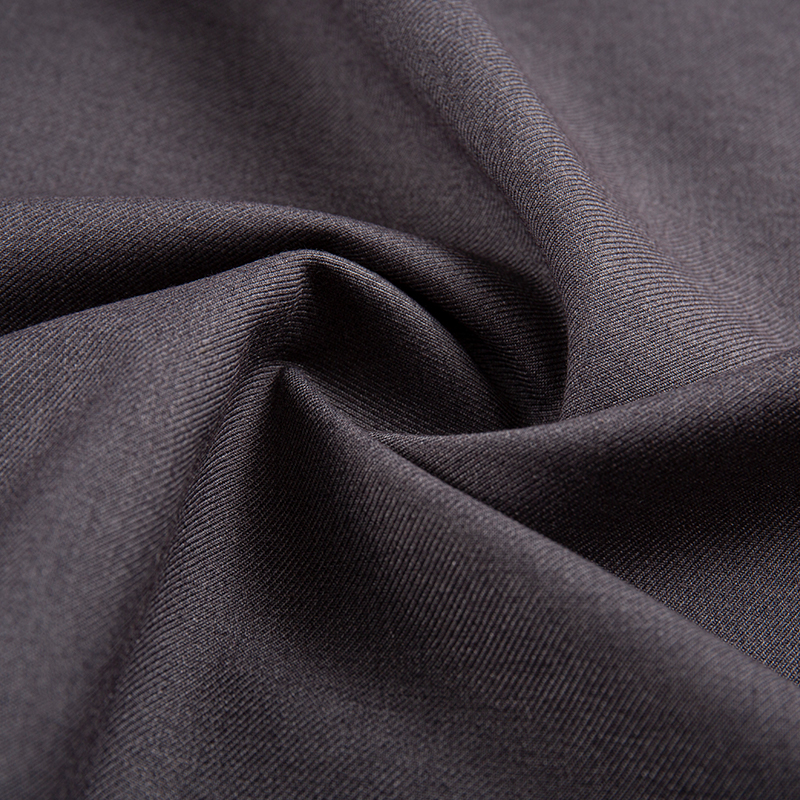
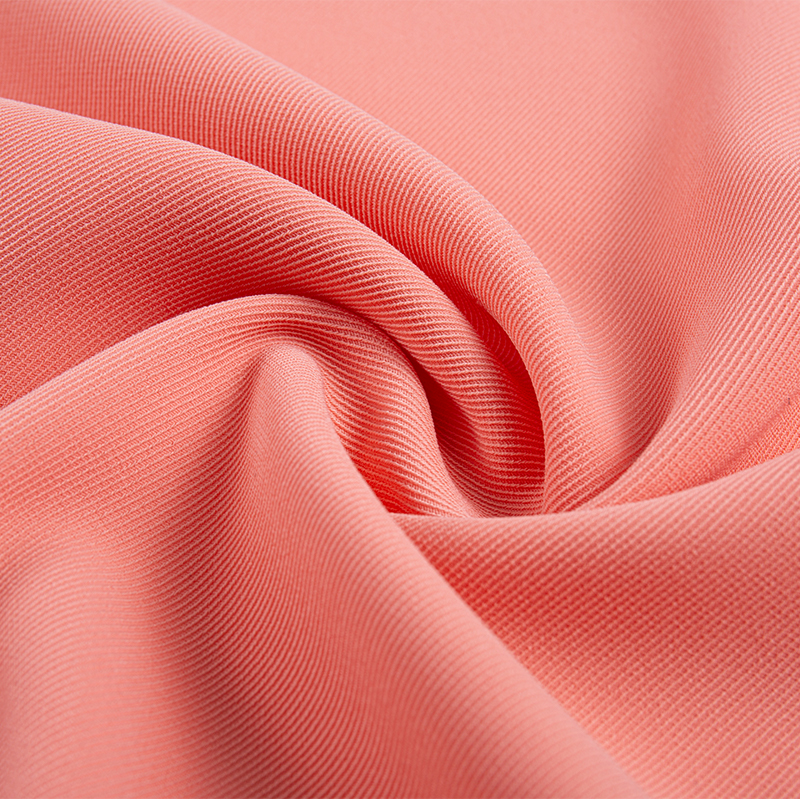
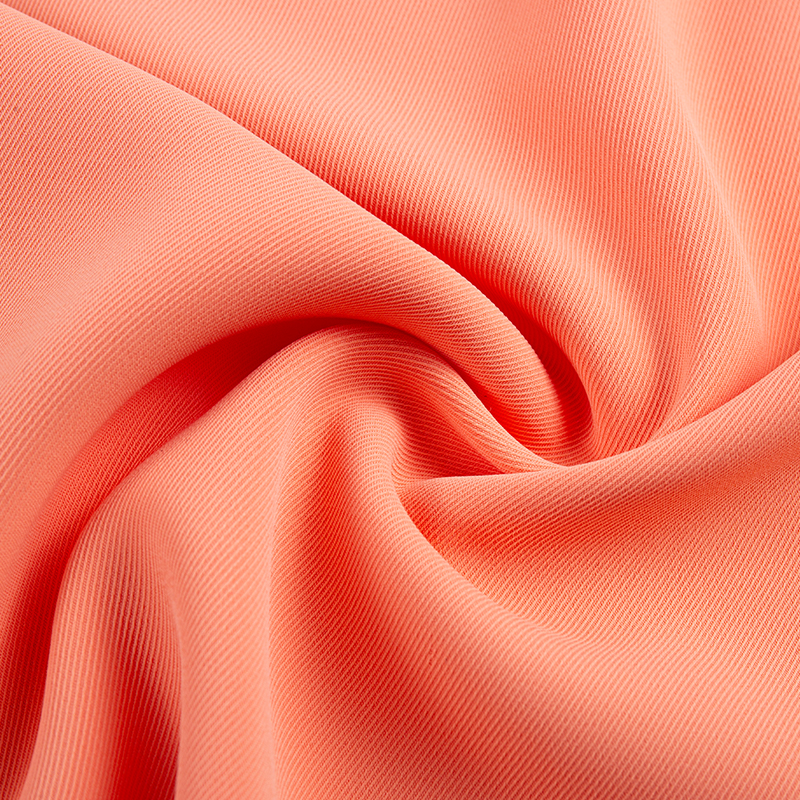
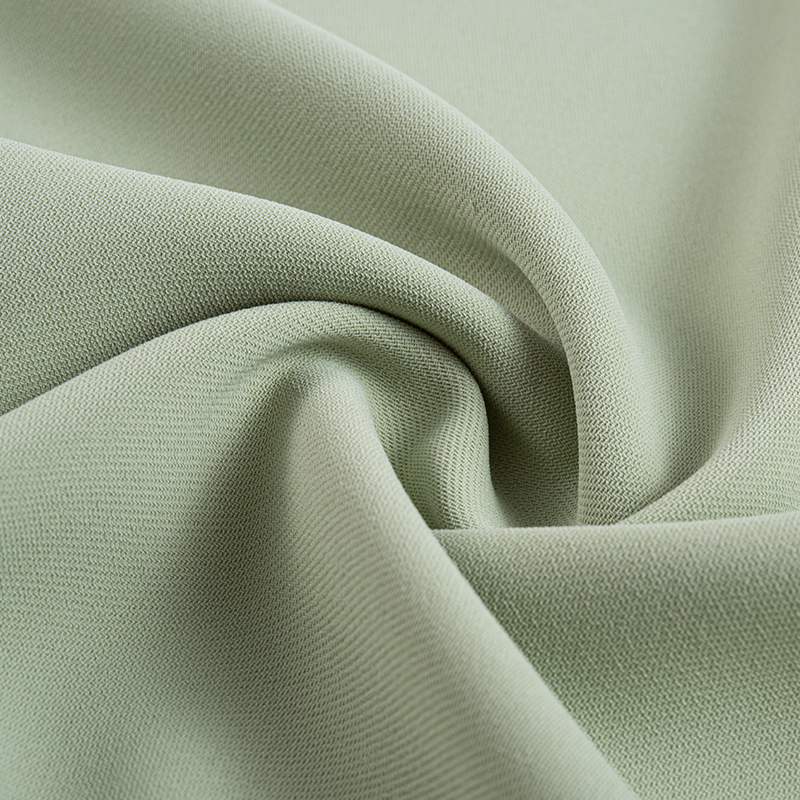
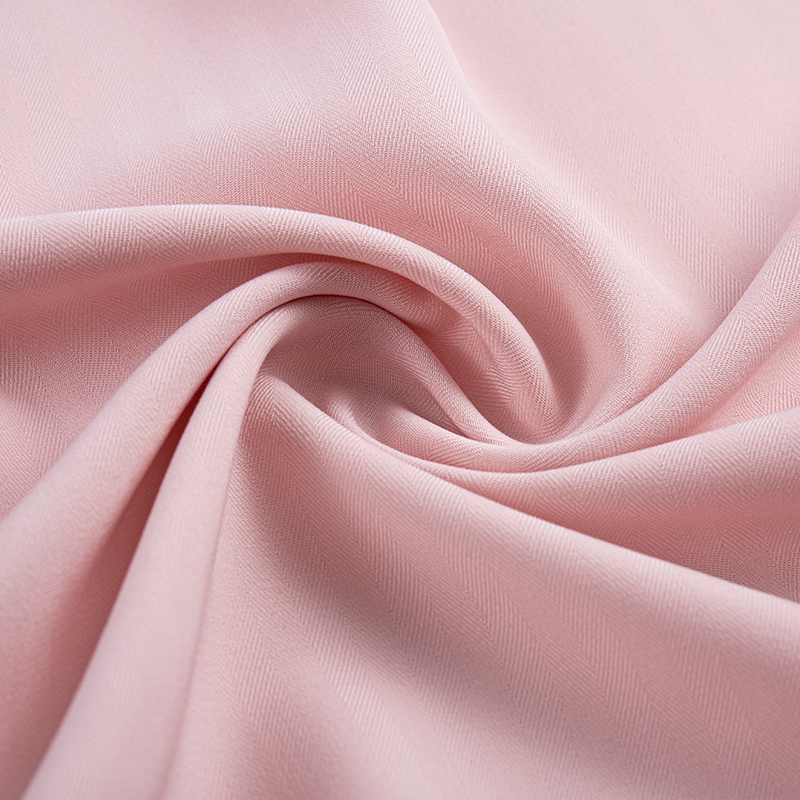
TR twill fabric is a synthetic-natural blend composed of polyester (Terylene) and rayon (Viscose). The typical ratio blends a higher percentage of polyester with a complementary amount of rayon. When woven into a twill pattern, this material combines the structural resilience of synthetic fibers with the breathable, fluid drape of regenerated cellulose.
What is Cotton Twill?
Cotton twill is constructed from 100% natural cotton fibers utilizing the same diagonal weaving technique. It relies entirely on the inherent properties of the cotton plant, making it a traditional favorite for utilitarian and casual wear alike.
Performance Comparison: Attribute Analysis
To determine which fabric is superior for specific clothing applications, we must evaluate them across key performance metrics including durability, comfort, maintenance, and aesthetic appeal.
| Performance Metric | TR Twill Fabric | Cotton Twill |
|---|---|---|
| Wrinkle Resistance | High (Maintains sharp creases) | Low (Prone to heavy creasing) |
| Color Retention | Excellent (Resists fading) | Moderate (Prone to gradual fading) |
| Breathability | Moderate to High (Enhanced by rayon) | High (Excellent natural airflow) |
| Durability & Strength | Exceptionally High (Polyester core) | High (Strong, but degrades faster over time) |
| Drape & Fluidity | Soft, fluid, and elegant | Structured, crisp, and rigid |
| Shrinkage Control | Minimal to no shrinkage | Susceptible to shrinkage if mismanaged |
Structural Integrity and Longevity
The inclusion of polyester gives TR twill fabric a distinct advantage in terms of tensile strength and abrasion resistance. It withstands repetitive friction and industrial washing cycles without thinning or fraying. Cotton twill is also remarkably strong, which is why it is historically favored for workwear, but natural fibers break down faster than synthetics under continuous mechanical stress and UV exposure.
Aesthetics, Drape, and Wrinkle Resistance
One of the most significant commercial advantages of TR twill fabric is its ability to resist wrinkling. Due to the thermoplastic nature of polyester, the fabric retains its shape and resists creasing throughout the day, making it ideal for professional attire. Furthermore, the rayon component introduces a subtle luster and a smooth, fluid drape that mimics fine wool.
In contrast, cotton twill possesses a more matte finish and a rigid, structured drape. While this rigidity is highly desirable for casual jackets or heavy-duty trousers, cotton twill creases easily and requires frequent ironing to maintain a polished appearance.
Comfort, Breathability, and Moisture Management
Pure cotton twill is celebrated for its exceptional breathability and skin-friendly properties. It naturally absorbs moisture, making it incredibly comfortable for daily wear in temperate climates. TR twill fabric manages to compete effectively in this category thanks to the rayon component. Rayon is highly absorbent and soft, mitigating the static buildup and heat retention traditionally associated with pure polyester. However, in extremely hot and humid environments, pure cotton still holds a slight edge in natural ventilation.
Application Suitability: Which Fabric Wins?
The debate over which fabric is “better” ultimately depends on the intended end-use of the garment. Neither fabric is universally superior; instead, each dominates specific apparel categories.
When to Choose TR Twill Fabric
This material is the premier choice for tailored, structured garments that require a pristine appearance over long periods of use.
- Corporate and School Uniforms: The resistance to pilling, fading, and wrinkling ensures uniforms look professional day after day.
- Suits, Blazers, and Trousers: It offers the elegant aesthetic of wool blends at a more accessible price point, with excellent crease retention.
- Pleated Skirts: The synthetic composition allows for permanent pleat setting through heat treatment.
When to Choose Cotton Twill
This material remains unmatched for casual, rugged, and heritage-inspired apparel lines.
- Denim and Workwear: The heavy-duty nature of cotton twill makes it perfect for utility jackets and cargo pants.
- Casual Chinos: Offers a relaxed, matte texture that softens and molds to the wearer’s body over time.
- Children’s Wear: The natural, hypoallergenic properties of cotton are preferred for sensitive skin.
Sustainability and Maintenance Considerations
From a manufacturing and consumer maintenance perspective, the two fabrics demand completely different care protocols and present distinct environmental profiles.
TR twill fabric simplifies the post-consumer lifecycle regarding maintenance. It is machine washable, dries rapidly due to low water retention, and eliminates the energy consumption associated with frequent ironing. From a production standpoint, the synthetic blending allows for precise color uniformity across massive production batches.
Cotton twill requires more careful laundering to prevent shrinkage, particularly in hot water. Over time, rich dyes on cotton twill tend to wash out, leading to a distressed or vintage look. While this fading is often styled as a feature in casual fashion, it is a liability in corporate apparel.
Frequently Asked Questions
1. Does TR twill fabric pill easily?
No. High-quality TR blends are engineered to minimize pilling. The long-staple polyester fibers used in the blend securely anchor the rayon fibers, preventing the surface fuzzing common in lower-grade synthetic textiles.
2. Is cotton twill warmer than TR twill?
Not necessarily. The warmth of a twill fabric depends more on its weight (grams per square meter) and thickness than the fiber composition alone. A heavy TR twill can provide excellent insulation, while a lightweight cotton twill can be quite cool.
3. Can TR twill fabric be recycled?
While pure polyester can be recycled efficiently, blended fabrics like TR (polyester and rayon) present recycling challenges due to the difficulty of separating synthetic fibers from regenerated cellulose. However, its extended lifespan reduces the frequency of garment replacement.
Final Verdict
When deciding between TR twill fabric and cotton twill for clothing production, manufacturers must balance functionality with design intent.
TR twill fabric emerges as the superior choice for formalwear, uniforms, and smart-casual attire where wrinkle resistance, crisp aesthetics, longevity, and low maintenance are paramount.
Cotton twill remains the definitive winner for rugged outerwear, casual trousers, and garments where a natural feel and classic matte texture are valued above immaculate neatness. By aligning these fabric properties with consumer expectations, apparel brands can ensure the optimal performance of their clothing lines.