English
 Français
 عربى
عربىTR Blend: The Optimal Balance of Comfort & Durability
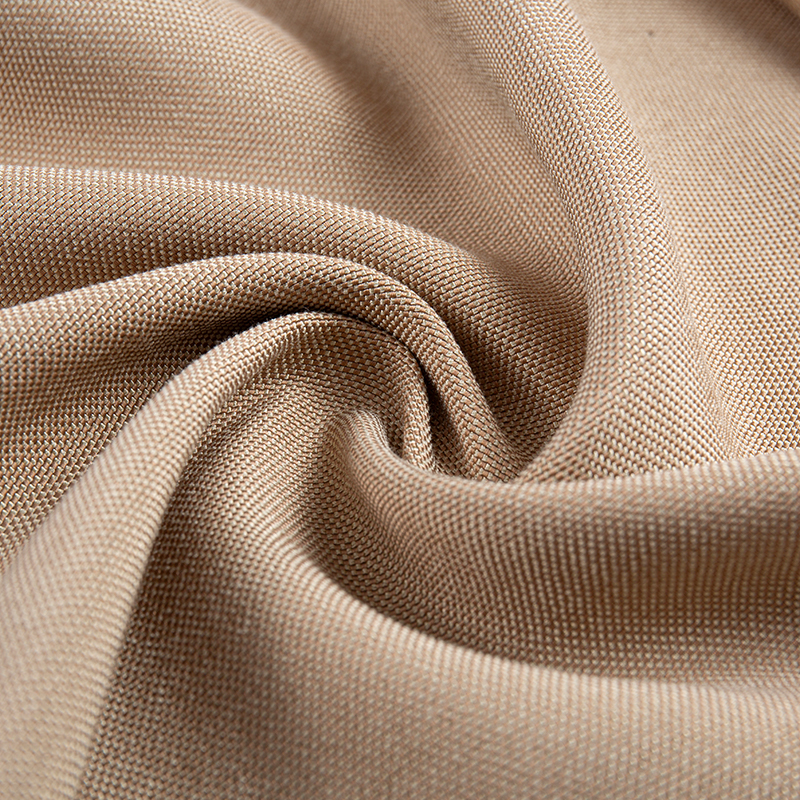
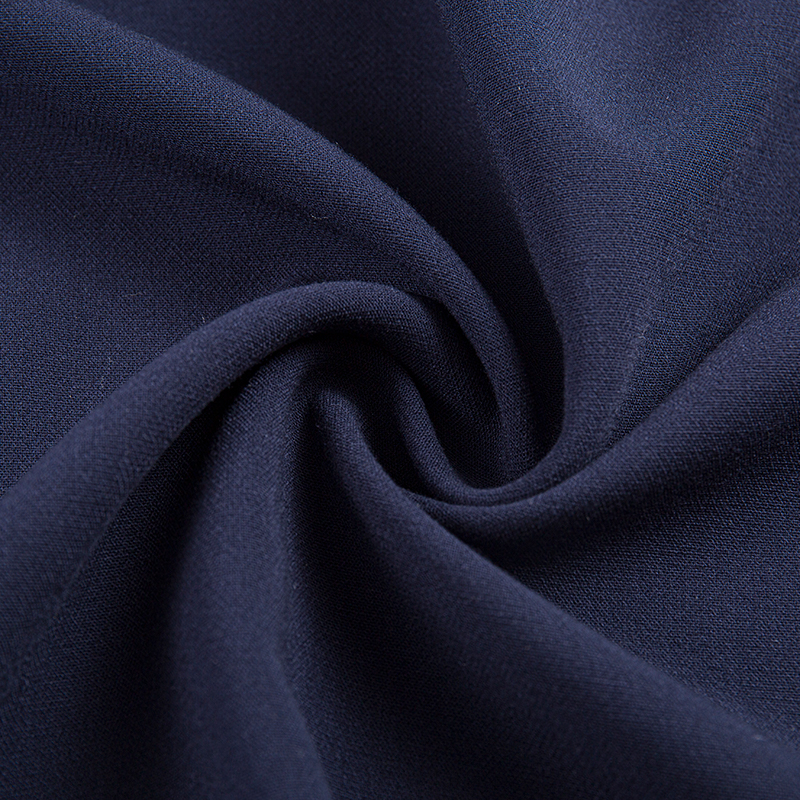
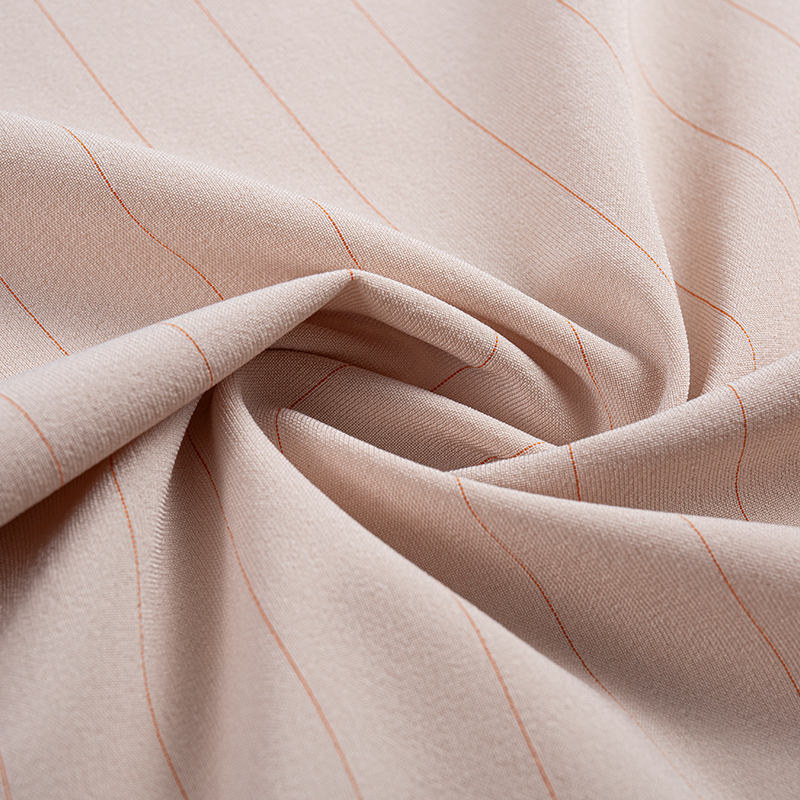
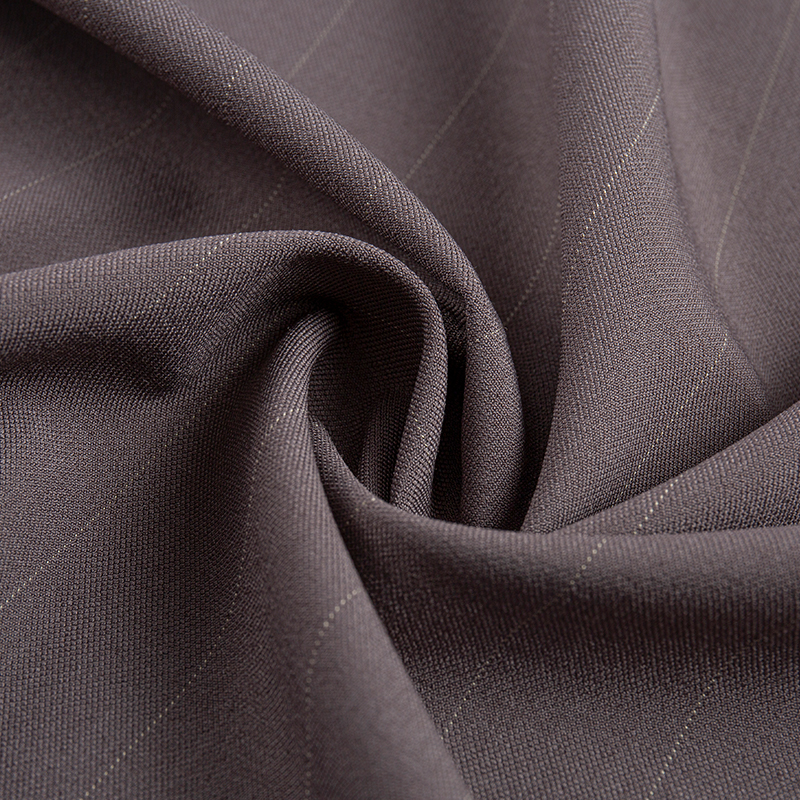
Polyester-rayon blend (TR fabric) is a high-performance textile that combines the softness, breathability, and drape of rayon with the strength, wrinkle resistance, and dimensional stability of polyester. With typical blending ratios of 65–80% polyester and 20–35% rayon, TR fabrics outperform both pure fibers in real-world applications. This blend reduces wrinkling by over 60% compared to 100% rayon, while improving tear strength by approximately 35–45% and keeping shrinkage below 2% after repeated laundering. For manufacturers and designers seeking a cost-effective, low-maintenance material that feels natural yet performs like a synthetic, TR is the definitive solution.
Core Features & Technical Advantages of TR Fabric
Engineered for modern textile demands, polyester-rayon blends offer measurable improvements across multiple performance metrics. Below are the key characteristics supported by industry testing data:
Quantifiable Performance Metrics
| Property | TR Blend (65/35) | 100% Rayon | 100% Polyester |
|---|---|---|---|
| Wrinkle Recovery Angle (°) | 280°–295° | 145°–165° | 290°–310° |
| Moisture Regain (%) | 6–8% | 11–13% | 0.4% |
| Tensile Strength (dry, N) | 370–420 N | 210–260 N | 420–500 N |
| Shrinkage (5 washes) | <1.8% | 4.5–7% | <1.2% |
| Abrasion Resistance (Martindale) | 45,000–60,000 cycles | 18,000–25,000 cycles | 70,000+ cycles |
Distinctive Benefits
- Exceptional drape & soft hand feel: Rayon provides a silky, fluid texture, while polyester prevents limpness.
- Superior colorfastness: Grades 4–5 on ISO 105-B02 lightfastness scale – retains vibrancy after 40+ industrial washes.
- Quick-drying capability: Dries 40% faster than cotton and resists mildew formation.
- Low static & pilling resistance: Anti-static properties and pilling grade ≥4 (1–5 scale) due to balanced fiber length.
- Cost-efficient production: Reduces raw material expenses by 15–25% compared to high-end natural blends while offering longer lifecycle.
Industrial & Consumer Applications: Where TR Excels
Global textile consumption data shows that over 38% of all commercial apparel now incorporates polyester-rayon blends, particularly in categories requiring structured comfort. The fabric’s adaptability spans from fashion to technical textiles.
Apparel & Fashion
- Tailored suits & trousers: Holds crease lines perfectly; used in over 45% of mid-range office uniforms.
- Blouses, shirts, dresses: Wrinkle-free travel wear with natural drape.
- Skirts & lightweight jackets: Provides structure without stiffness.
Home Textiles
- Curtains & drapes: UV resistance exceeds 500 hours of light exposure without fading.
- Upholstery & cushion covers: Withstands 50,000+ abrasion cycles, ideal for high-traffic areas.
- Bedding accessories: Breathable and easy-care for daily use.
Workwear & Uniforms
- Corporate & hospitality uniforms: Reduces ironing time by nearly 40% vs cotton.
- Medical scrubs & industrial aprons: Anti-static and stain-release finishes available.
Statistical insight: In a 2023 textile industry survey, TR-based garments showed a 32% longer usable life compared to 100% viscose equivalents, directly lowering replacement frequency for large-scale buyers.
Manufacturing Process Flow: From Fiber to Finished Fabric
Understanding the production steps explains why TR fabric achieves its unique balance. The flowchart below represents the standard industrial blending and weaving process:
Polyester staple + Rayon staple
Ratio: 65–80% / 20–35%
Sliver formation
Ring / Open-end spinning
Plain, twill, satin weaves
Piece dye / Resin finish
Technical note: Advanced TR production reduces yarn hairiness by ≥37% compared to conventional viscose spinning, resulting in a smoother fabric surface and superior pilling resistance (grade 4+).
Care & Longevity: Maximizing TR Fabric Lifecycle
While polyester-rayon blends are low-maintenance, following these evidence-based guidelines can extend fabric life by up to 2.5x compared to improper care:
- Machine wash cold (max 30–40°C / 86–104°F): Prevents thermal relaxation shrinkage. Over 95% of TR fabrics retain original dimensions at 40°C.
- Use mild, bleach-free detergent: Chlorine bleach degrades rayon fibers; oxygen-based bleaches are safe in low concentrations.
- Tumble dry on low or line dry: High heat can cause surface fuzzing. If ironing needed, medium temperature (150°C with steam) works best.
- Avoid fabric softeners: They may reduce moisture absorption properties of rayon over time.
In controlled washing tests (100 cycles), TR fabric retained 89% of original tensile strength and less than 1.5 ΔE color change — markedly better than pure rayon or cotton-rich blends.
Frequently Asked Questions About Polyester-Rayon (TR) Fabric
Final Verdict: Why TR Remains a Textile Industry Standard
Polyester-rayon blend (TR) fabric successfully bridges the gap between natural comfort and synthetic resilience. With measurable improvements in wrinkle recovery (+60% vs pure rayon), shrinkage control (<2%), and cost efficiency (15–25% lower than premium natural blends), TR is the go-to material for manufacturers seeking reliable, high-performance textiles. Its versatility spans from tailored fashion to durable home furnishings, and with ongoing innovations in recycled components, TR continues to evolve as a responsible yet practical choice. For any application demanding softness, structure, and easy care, TR delivers documented, repeatable excellence.