English
 Français
 عربى
عربىIndustry News
Introduction
When selecting the right fabric for various applications, especially in the garment and upholstery industries, it’s crucial to understand the key differences between fabrics. TR twill fabric and polyester are two commonly used materials, each offering distinct characteristics and benefits.
Overview of TR Twill Fabric
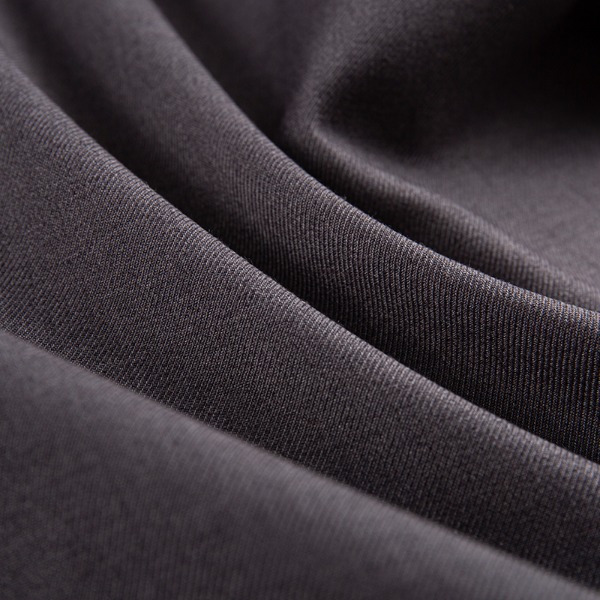
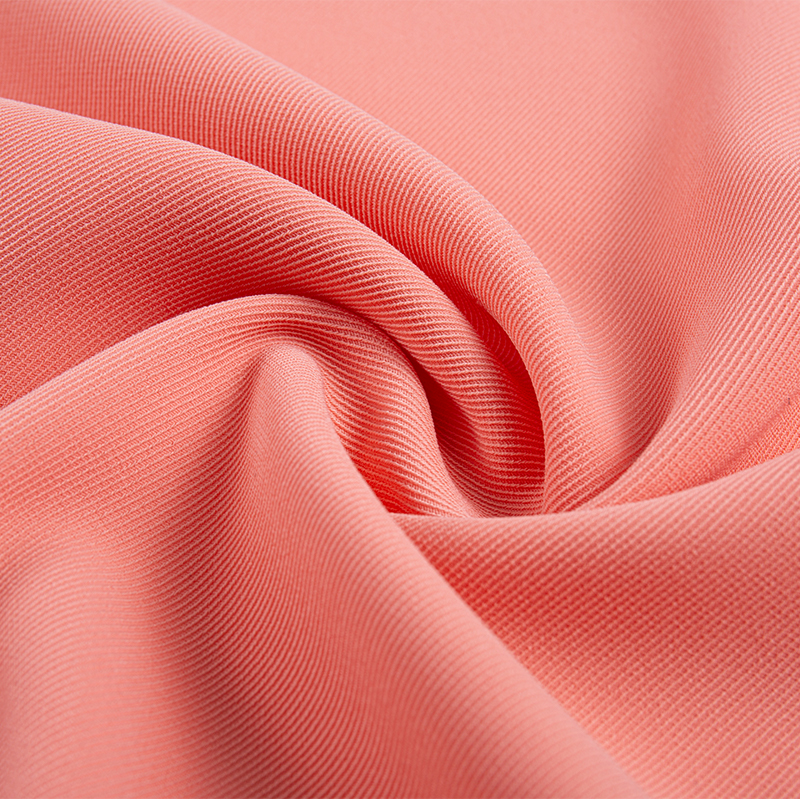
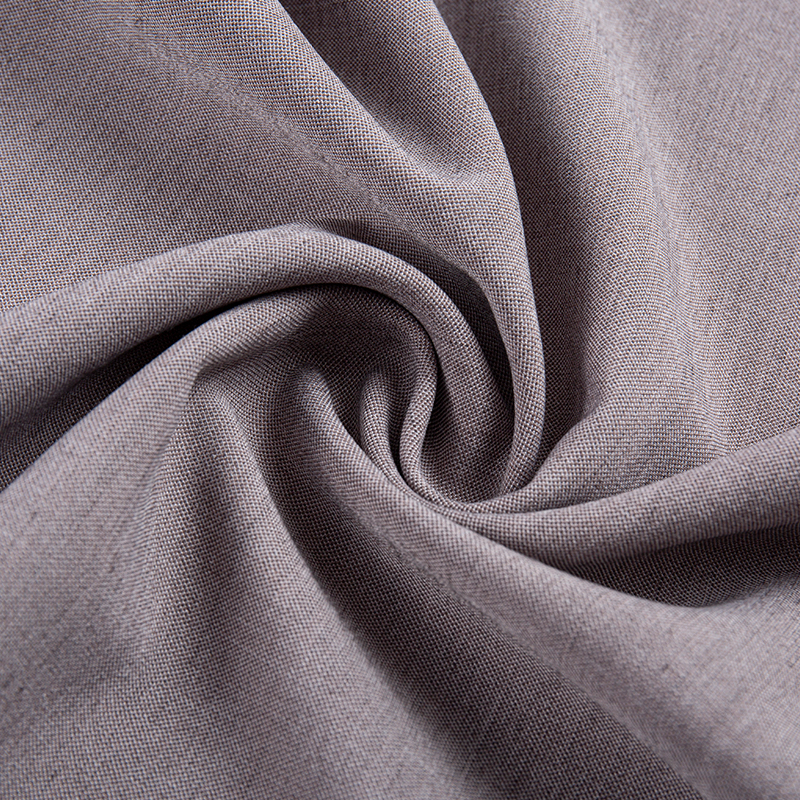
TR twill fabric is a type of textile woven using the twill weave pattern, which creates a diagonal ribbed surface. The “TR” in TR twill fabric refers to a blend of polyester and rayon fibers, combining the best qualities of both materials. This fabric is known for its durability, smooth texture, and resistance to wrinkles, making it a popular choice in fashion and home decor industries.
Properties of TR Twill Fabric:
- Composition: A blend of polyester and rayon fibers.
- Weave: Twill weave creates a distinct diagonal pattern.
- Durability: Strong, resistant to wear and tear.
- Texture: Smooth, with a slight sheen.
- Breathability: Allows air circulation, making it suitable for warmer climates.
Overview of Polyester Fabric
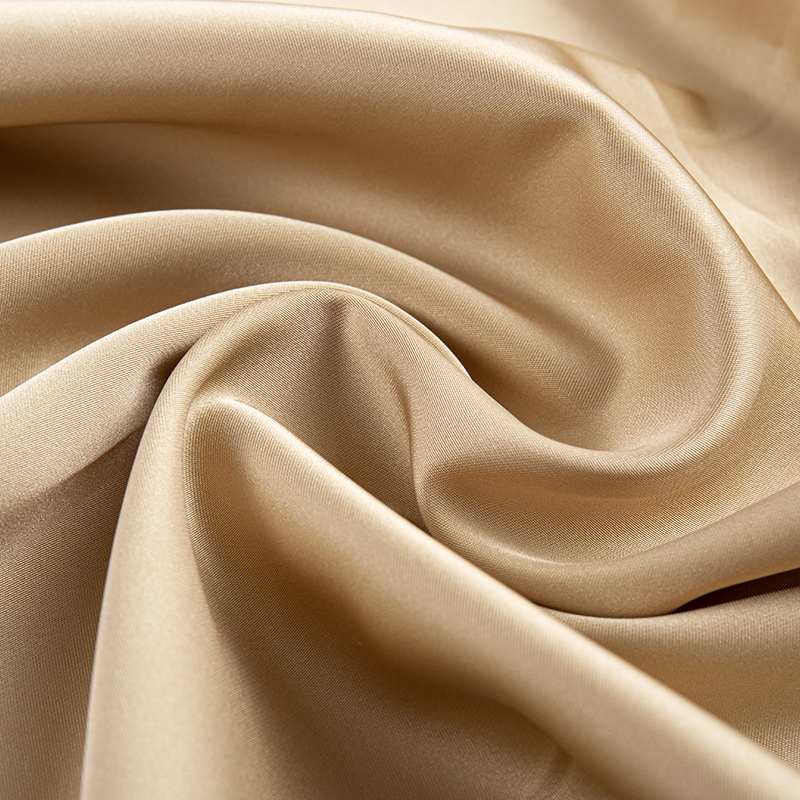
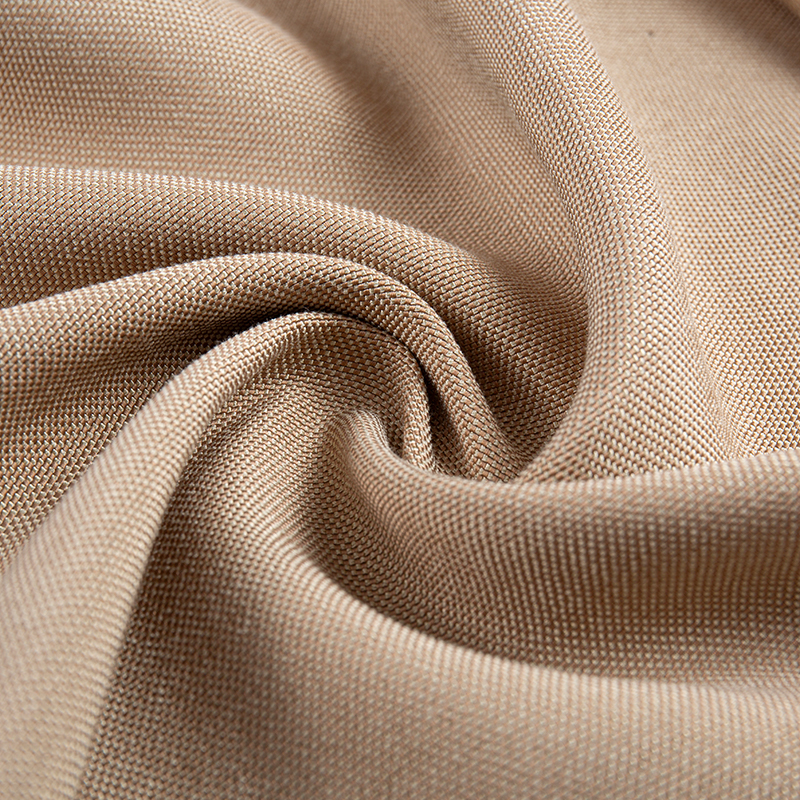
Polyester is a synthetic fabric made from polymerized fibers, often derived from petroleum-based products. It is one of the most widely used fabrics due to its versatility, low cost, and excellent durability. Polyester is often used in both fashion and industrial applications due to its ability to retain color, resist shrinking, and maintain its shape over time.
Properties of Polyester Fabric:
- Composition: 100% synthetic fibers.
- Weave: Typically woven in plain, satin, or twill patterns.
- Durability: Highly resistant to wrinkles, stretching, and shrinking.
- Texture: Smooth, but can sometimes feel stiff.
- Breathability: Limited breathability compared to natural fibers.
Key Differences Between TR Twill Fabric and Polyester
| Property | TR Twill Fabric | Polyester Fabric |
|---|---|---|
| Composition | Blend of polyester and rayon | 100% synthetic polyester |
| Weave | Twill weave (diagonal ribbing) | Various weaves (plain, satin, twill) |
| Durability | High durability, resistant to abrasion | Very durable, but may degrade with prolonged exposure to high temperatures |
| Texture | Smooth, soft with slight sheen | Smooth, can feel stiff or harsh |
| Breathability | Good breathability, suitable for warm climates | Poor breathability, can trap heat |
| Appearance | Slight sheen, luxurious finish | Matte or shiny finish, depending on the weave |
| Cost | Generally higher due to blended fibers | Lower cost due to synthetic nature |
| Maintenance | Easy care, resistant to wrinkles | Low maintenance, resistant to wrinkles |
Advantages of TR Twill Fabric
- Aesthetic Appeal: TR twill fabric has a natural shine and sophisticated look that makes it highly desirable for formalwear and upscale fashion items.
- Comfort and Breathability: The blend of rayon in TR twill fabric makes it more breathable than pure polyester, offering a more comfortable experience in warm weather.
- Wrinkle Resistance: The fabric resists creasing, making it ideal for items that need to maintain a polished appearance over extended periods.
- Versatility: Suitable for a wide range of applications, including trousers, jackets, skirts, and upholstery.
Advantages of Polyester Fabric
- Affordability: Polyester is one of the most cost-effective fabrics available, making it ideal for mass-produced items.
- Durability: Highly resistant to wear and tear, polyester fabrics maintain their structure and appearance over time.
- Color Retention: Polyester fabrics retain their dye better than natural fibers, ensuring vibrant, long-lasting colors.
- Low Maintenance: Polyester is easy to care for, requiring less frequent washing and maintaining its appearance without much effort.
Ideal Uses for TR Twill Fabric
- Fashion: TR twill is often used in making suits, skirts, and pants due to its sleek and refined look.
- Home Decor: This fabric is ideal for upholstery and drapery because of its durability and aesthetic finish.
- Corporate Wear: The fabric is a popular choice for business attire because it resists wrinkles, looks professional, and remains comfortable.
Ideal Uses for Polyester Fabric
- Activewear: Due to its moisture-wicking properties, polyester is commonly used for sportswear and workout clothes.
- Casual Clothing: Many casual garments such as t-shirts, jackets, and dresses are made from polyester because of its affordability and ease of care.
- Upholstery and Bedding: Polyester’s resilience to fading and shrinking makes it a great option for home furnishings and bedding.
Limitations of TR Twill Fabric
- Cost: TR twill can be more expensive than pure polyester due to the blend of fibers and the twill weaving process.
- Durability: While durable, it is not as strong as pure polyester when it comes to long-term industrial use or extreme conditions.
Limitations of Polyester Fabric
- Breathability: Polyester can trap heat, making it uncomfortable for wear in hot, humid environments.
- Environmental Impact: Being a synthetic fabric, polyester is not biodegradable, raising concerns regarding its long-term environmental impact.
FAQ
1. What is the main difference between TR twill fabric and polyester?
TR twill fabric is a blend of polyester and rayon, known for its breathability and soft texture, while polyester is a synthetic fabric known for its durability and affordability.
2. Is TR twill fabric more breathable than polyester?
Yes, TR twill fabric is generally more breathable due to the presence of rayon, making it more suitable for warm climates.
3. Can polyester fabric be used for formalwear?
While polyester can be used for formalwear, TR twill fabric offers a more luxurious appearance and better texture for such applications.
4. Which fabric is more durable: TR twill or polyester?
Polyester is generally more durable, especially for industrial or heavy-duty use, while TR twill fabric offers good durability but is better suited for fashion and formal wear.
5. Is TR twill fabric easy to maintain?
Yes, TR twill fabric is low maintenance, resistant to wrinkles, and can be easily cleaned, making it a practical option for clothing and upholstery.