English
 Français
 عربى
عربىIndustry News
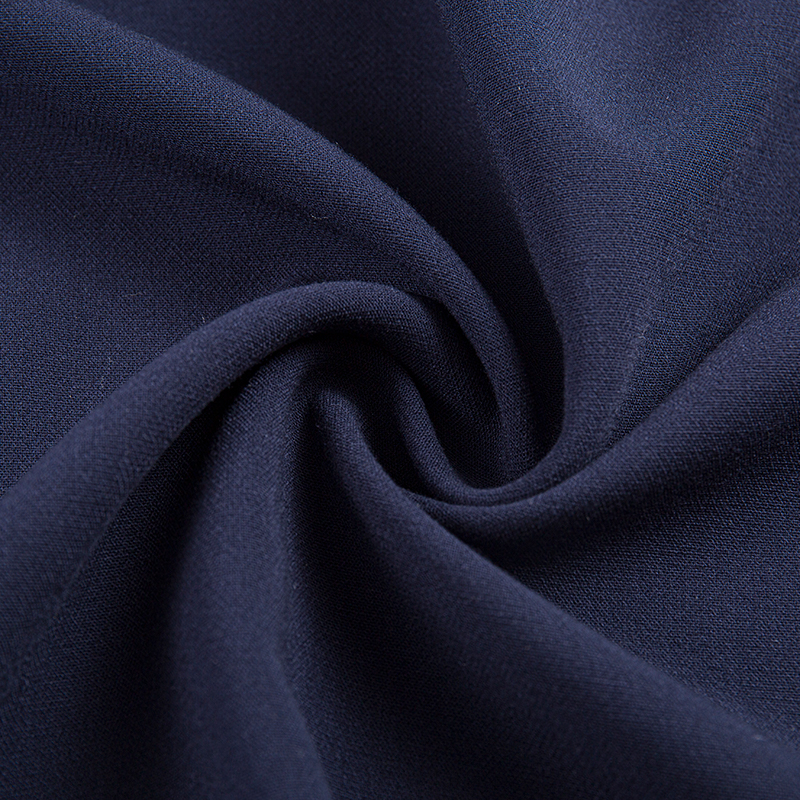
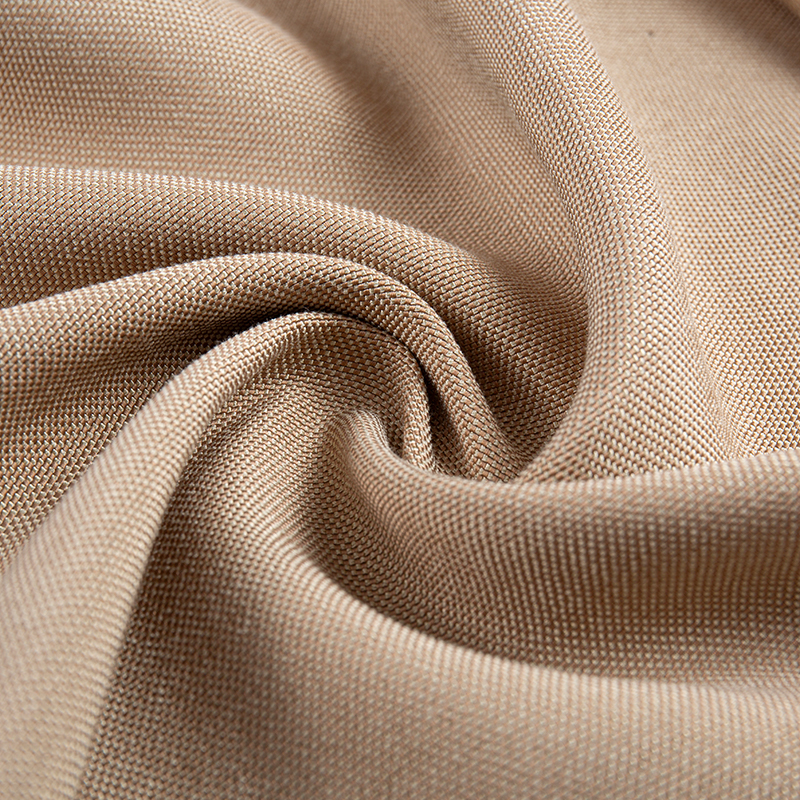
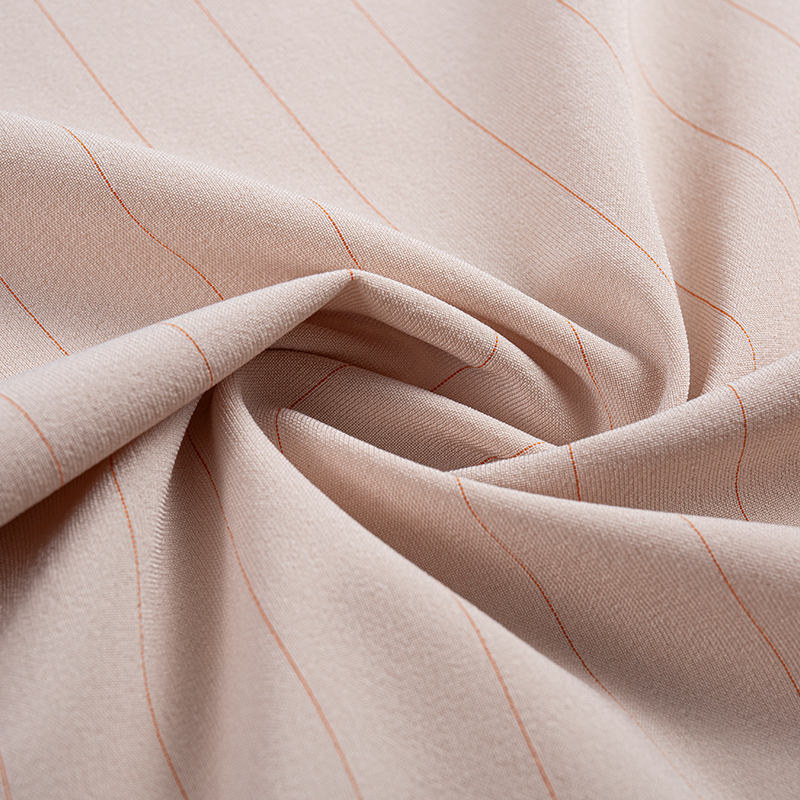
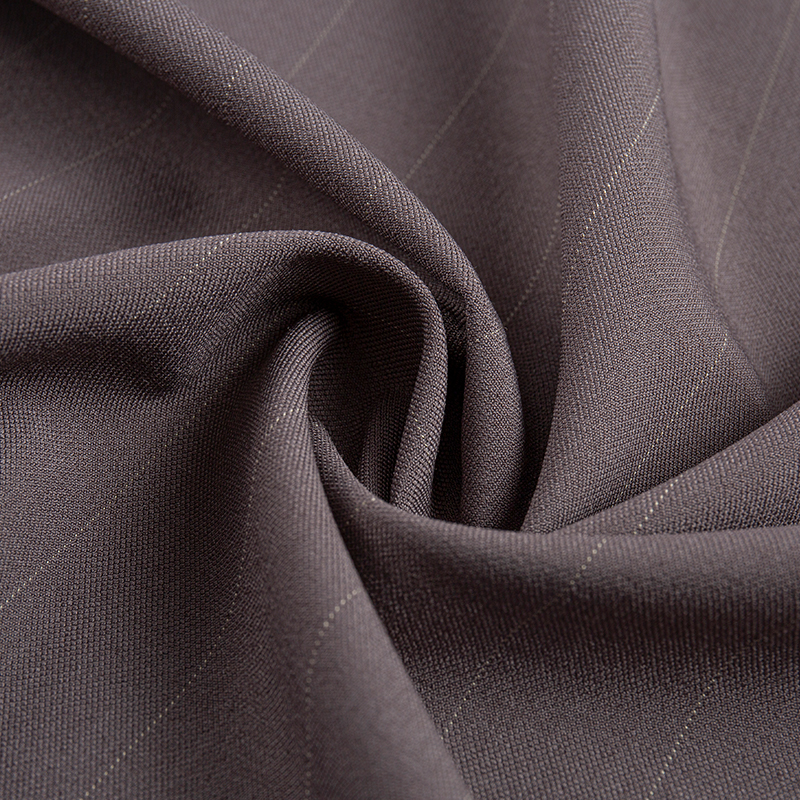
A formal garment that wrinkles by lunchtime undoes hours of tailoring. Polyester Rayon Blend (TR) Formal Wear Fabric solves that by pairing polyester's structure with rayon's softness in a single woven textile built for suits, uniforms, and formal trousers that need to look sharp through a full day of wear. Here's what the blend is made of, why it holds shape the way it does, and what to check before committing to a bulk order.
Two Fibers, One Balanced Textile
TR stands for Tetoron and Rayon: polyester provides strength and wrinkle resistance, while rayon contributes softness, drape, and a more natural hand feel than polyester alone can offer.
| T | R |
| Polyester (T): strength, wrinkle resistance, dimensional stability | Rayon (R): softness, drape, moisture comfort |
Illustrative fiber balance; exact polyester-to-rayon ratios are customized per fabric order.
Why the Blend Behaves the Way It Does
Polyester fibers hold the garment's structural shape and resist the wrinkling that comes from packing, sitting, and daily wear. Rayon fibers soften the fabric's hand feel and improve how it moves against the body, giving the finished textile a more refined drape than a pure synthetic weave.
The fabric that keeps a suit looking pressed at 5pm is doing more work than the tailoring that shaped it that morning.
Performance Advantages Worth Specifying For
- Wrinkle resistance that reduces ironing between wears
- Shape retention through repeated washing and daily use
- Smooth drape suited to structured formal silhouettes
- Strong color fastness across repeated laundering cycles
- Cost-efficient alternative to fabrics relying on natural fibers alone
TR Fabric vs Pure Polyester Fabric
| Feature | TR Blend Fabric | Pure Polyester Fabric |
| Comfort | Softer hand feel from rayon content | Less soft, more synthetic feel |
| Durability | Good wear resistance with comfort balance | Excellent abrasion resistance |
| Drape | Smoother, more natural fall | Stiffer structured drape |
| Best fit | Formal wear, uniforms, business clothing | General clothing and workwear |
Where This Fabric Ends Up in Production
Business Suits
Jackets and blazers needing structure with comfortable all-day wear.
Corporate Uniforms
Daily workwear that has to hold up to frequent washing.
Hospitality Clothing
Hotel and restaurant uniforms needing an elegant, durable finish.
Institutional Apparel
School and administrative uniforms built for repeated use.
What to Check Before Placing an Order
Application Requirements
- Garment type and expected wearing environment
- Required comfort level versus durability priorities
- Production volume and lead time
Technical Specifications to Confirm
- Polyester-to-rayon blending ratio
- Fabric weight (GSM) and width
- Color fastness and shrinkage rate
- Tensile strength and abrasion resistance
A supplier that documents shrinkage, color fastness, and abrasion testing is showing you how the fabric performs after a hundred washes, not just off the roll.
Choosing a Manufacturer for Bulk Orders
Beyond the fabric spec sheet, a reliable Polyester Rayon Blend Fabric Manufacturer brings production capacity, consistent dye lot matching, and testing capability that keeps a large uniform or suiting order uniform from the first roll to the last.
Where the Category Is Headed
- Recycled polyester content is becoming standard in TR blends
- Functional finishing treatments are adding stretch and comfort enhancements
- Eco-friendly dyeing processes are reducing water consumption in production